



We protect your health through science
Investigation
Viral Biology
Research Lines
Content with Investigacion .
Inmunología Microbiana e Inmunogenética
1. Análisis de la respuesta innata de mamíferos en la infección por Leishmania.
2. Caracterización inmunoproteómica en :
a. Streptococcus suis
b. Lactococcus garviae
c. Mycobacterium spp
3. Desarrollo de inmunoensayos analíticos basados en anticuerpos monoclonales (AcM) para detectar y cuantificar antígenos de origen animal, vegetal y microbiano.
4. Desarrollo y caracterización de AcM frente a los componentes del sistema del Complemento. Aplicación diagnóstica.
5. Desarrollo de reactivos de referencia y diseño de inmunoensayos para la evaluación cualitativa y cuantitativa de toxinas clostridiales.
6. Oferta tecnológica de producción de AcM y policlonales frente a substancias de interés industrial y biomédico.
El grupo está interesado en el estudio de la respuesta inmune desde una perspectiva multidisciplinar que incluye aproximaciones bioquímicas, biotecnológicas, genómicas, inmunoinformáticas y proteómicas, que junto con el uso adicional de modelos in vivo se encaminan al diseño de estrategias terapéuticas frente a diversas enfermedades crónicas, infecciosas y raras que poseen un claro componente inmunológico en su etiología.
Las principales líneas de investigación que está desarrollando el grupo en la actualidad son:
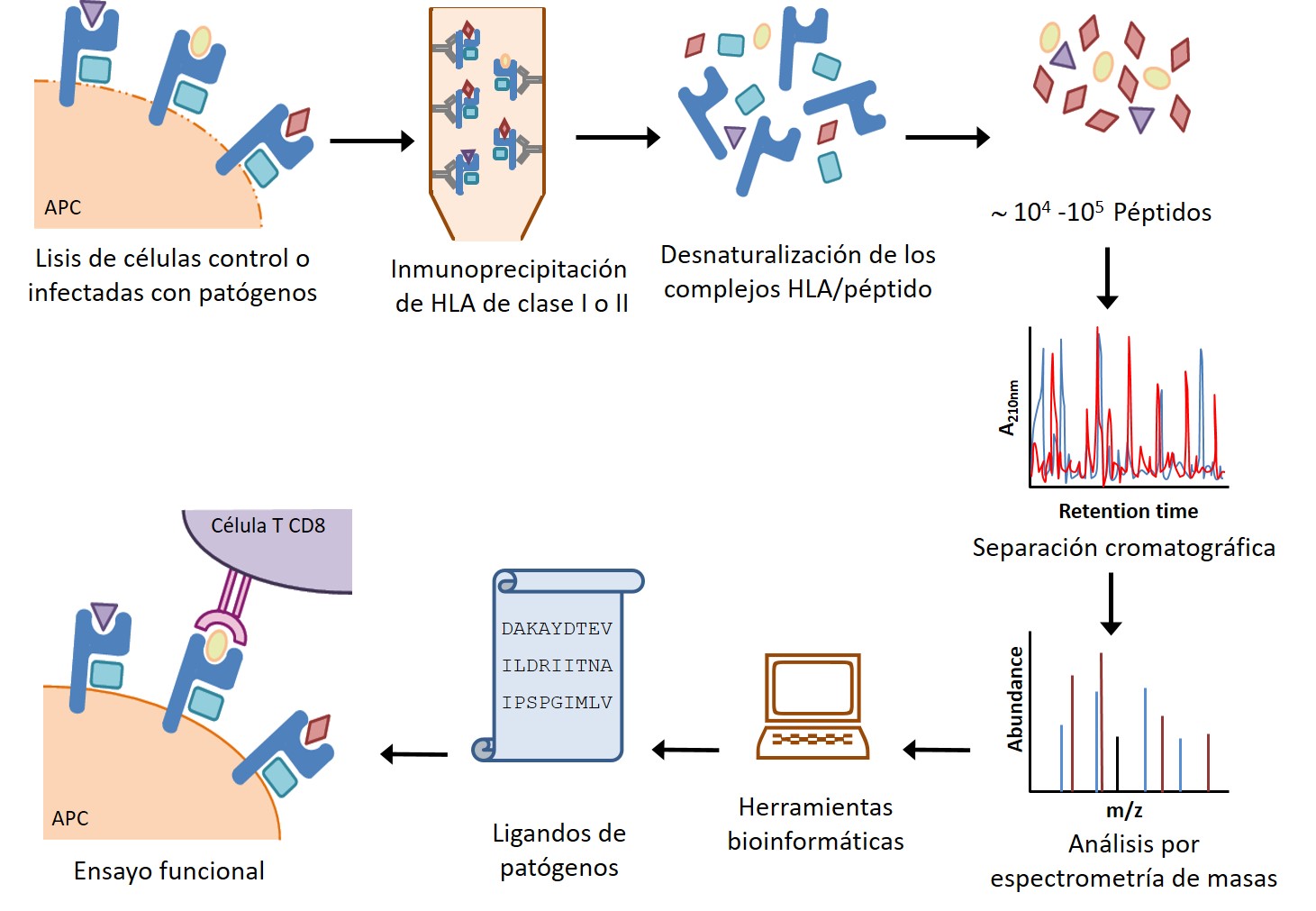
- * Análisis de las respuestas inmunes celulares frente a patógenos virales y bacterianos, mediante técnicas inmunoproteómicas, modelos in vivo con animales transgénicos y muestras humanas.
- * Caracterización de CD69: regulación génica, función reguladora inmune en homeostasis e infección y su uso como diana terapéutica, edición génica por CRISPR en modelos animales y celulares, etc.

* Desarrollo de herramientas inmunoinformáticas que permitan analizar la respuesta inmune celular frente a diversos virus de interés sanitario y determinar la eficacia de sus vacunas a nivel de población mundial.

* Estudio de las respuestas inmunes celulares frente a enfermedades raras (artritis reactiva y síndrome del linfocito desnudo) y crónicas (espondiloartropatías).
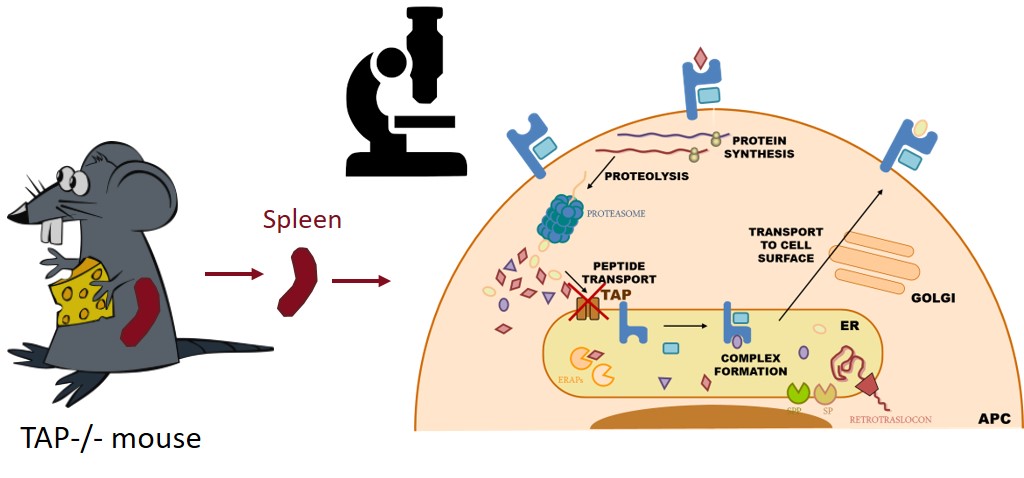
* Inclusión de componentes del sistema inmune en la fabricación de tejidos humanos, especialmente piel, para uso clínico, farmacéutico y cosmético.
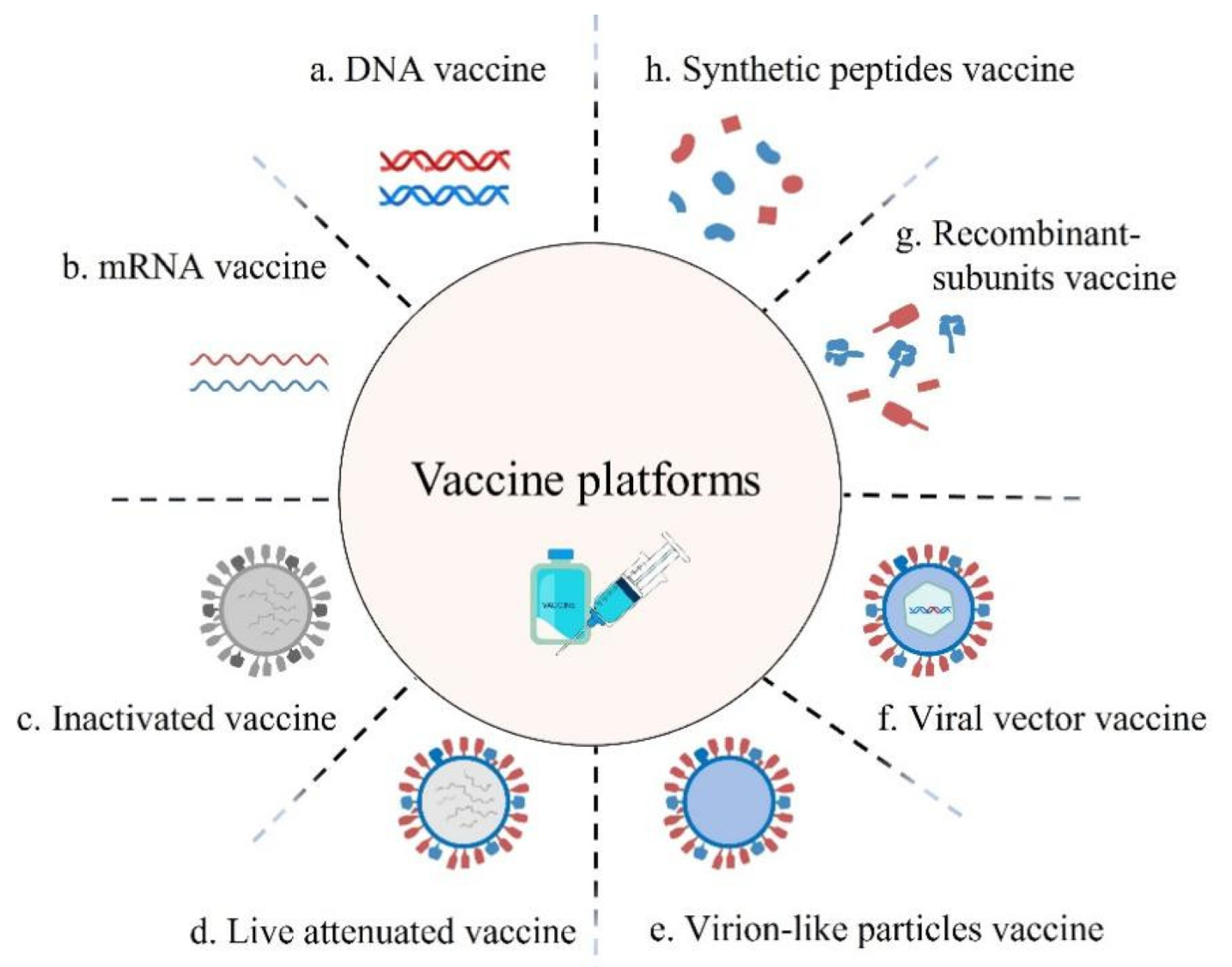
- * Generación de virus recombinantes como vectores vacunales.
Research projects
Content with Investigacion .
Los proyectos del grupo de los últimos años son los siguientes:
Proyecto “La interrelación de CD69 y el procesamiento antigénico en enfermedades infecciosas y autoinmunes" financiado por la Acción Estratégica en Salud del Ministerio de Ciencia, Innovación y Universidades. Año: 2023-2025.
Proyecto “Interacciones génicas y proteicas de CD69 y sus regiones génicas reguladoras con moléculas" financiado por la AEI. Año: 2022-2024.

Proyecto “Nuevas tecnologías de fabricación y optimización de tejidos: la piel como sistema modelo” financiado por el Programa de Actividades de I+D entre grupos de investigación de la Comunidad de Madrid en tecnologías 2018. Año: 2020-2023. Proyecto Coordinado por el Dr. Pablo Acedo de la Universidad Carlos III.
Proyecto “Estudio de CD69 como diana para mejorar el tratamiento de la leucopania y la movilización de células T de memoria de médula ósea" financiado por la Acción Estratégica en Salud del Ministerio de Ciencia, Innovación y Universidades. Año:2020-2024.
Proyecto “Diseño racional de una vacuna contra el virus respiratorio sincitial humano” financiado por la Acción Estratégica en Salud del Ministerio de Ciencia, Innovación y Universidades. Año: 2019-2022
Proyecto “Función de CD69 y sus elementos reguladores" financiado por la Acción Estratégica en Salud del Ministerio de Ciencia, Innovación y Universidades. Año: 2017-2022.
Proyecto “Diseño de vacunas recombinantes poliepitópicas para generar respuestas CD8+ contra virus emergentes” financiado por el Plan Nacional de I+D+i del Ministerio de Economía y Competitividad. Año: 2015-2017.
Proyecto “Análisis de los efectos de CD69 dependientes de S1P1 en modelos de infección e inflamación y estudio de su regulación” financiado por el FIS. Año: 2014-2017.
Proyecto “ADELVAC: Adenovirus con delecciones epitópicas para vacunación” financiado por el programa INNPACTO del Ministerio de Economía y Competitividad. Centro Nacional de Microbiología, Instituto de Salud Carlos III. Año: 2012-2014. Proyecto Coordinado por el Dr. Manel Cascallo de VCN BIOSCIENCES SL.
Proyecto “Diseño de vacunas multiepitópicas recombinantes para aumentar la respuesta inmune celular contra el VRSH” financiado por el Plan Nacional de I+D+i del Ministerio de Ciencia e Innovación. Año: 2012-2014.
Publications
HCV eradication with IFN-based therapy does not completely restore gene expression in PBMCs from HIV/HCV-coinfected patients
Brochado-Kith; Martínez I; Berenguer J; et al; Fernández-Rodríguez A (AC); Resino S. (11/12). 2021. HCV eradication with IFN-based therapy does not completely restore gene expression in PBMCs from HIV/HCV-coinfected patients. Journal of Biomedical Sciences. Springer Nature. 28-1.
DOIOLFM4 polymorphisms predict septic shock survival after major surgery. Eur J Clin Invest.
Pérez-García F; Resino S; Gómez-Sánchez E; et al; Jiménez-Sousa MÁ (10/10). OLFM4 polymorphisms predict septic shock survival after major surgery. Eur J Clin Invest. 2021. 51(4):e13416. doi: 10.1111/eci.13416.
Alcazar-Fuoli L, Mellado E, Garcia-Effron G, Buitrago MJ, Lopez JF, Grimalt JO, Cuenca-Estrella JM, Rodriguez-Tudela JL. Aspergillus fumigatus C-5 sterol desaturases Erg3A and Erg3B: role in sterol biosynthesis and antifungal drug susceptibility. Antimicrob Agents Chemother. 2006 Feb
Alcazar-Fuoli L, Mellado E, Garcia-Effron G, Buitrago MJ, Lopez JF, Grimalt JO, Cuenca-Estrella JM, Rodriguez-Tudela JL. Aspergillus fumigatus C-5 sterol desaturases Erg3A and Erg3B: role in sterol biosynthesis and antifungal drug susceptibility. Antimicrob Agents Chemother. 2006 Feb;50(2):453-60. doi: 10.1128/AAC.50.2.453-460.2006. PMID: 16436696; PMCID: PMC1366924.
PUBMED14. Alcazar-Fuoli L, Mellado E, Alastruey-Izquierdo A, Cuenca-Estrella M, Rodriguez-Tudela JL. Aspergillus section Fumigati: antifungal susceptibility patterns and sequence-based identification. Antimicrob Agents Chemother. 2008 Apr
Alcazar-Fuoli L, Mellado E, Alastruey-Izquierdo A, Cuenca-Estrella M, Rodriguez-Tudela JL. Aspergillus section Fumigati: antifungal susceptibility patterns and sequence-based identification. Antimicrob Agents Chemother. 2008 Apr;52(4):1244-51. doi: 10.1128/AAC.00942-07. Epub 2008 Jan 22. PMID: 18212093; PMCID: PMC2292508.
PUBMED DOIAlcazar-Fuoli L, Mellado E, Alastruey-Izquierdo A, Cuenca-Estrella M, Rodriguez-Tudela JL. Species identification and antifungal susceptibility patterns of species belonging to Aspergillus section Nigri. Antimicrob Agents Chemother. 2009 Oct
Alcazar-Fuoli L, Mellado E, Alastruey-Izquierdo A, Cuenca-Estrella M, Rodriguez-Tudela JL. Species identification and antifungal susceptibility patterns of species belonging to Aspergillus section Nigri. Antimicrob Agents Chemother. 2009 Oct;53(10):4514-7. doi: 10.1128/AAC.00585-09. Epub 2009 Jul 27. PMID: 19635955; PMCID: PMC2764190.
PUBMED DOIAlcazar-Fuoli L, Mellado E, Cuenca-Estrella M, Sanglard D. Probing the role of point mutations in the cyp51A gene from Aspergillus fumigatus in the model yeast Saccharomyces cerevisiae. Med Mycol. 2011 Apr
Alcazar-Fuoli L, Mellado E, Cuenca-Estrella M, Sanglard D. Probing the role of point mutations in the cyp51A gene from Aspergillus fumigatus in the model yeast Saccharomyces cerevisiae. Med Mycol. 2011 Apr;49(3):276-84. doi: 10.3109/13693786.2010.512926. Epub 2010 Sep 10. PMID: 20831364.
PUBMED DOIAlcazar-Fuoli L, Cuesta I, Rodriguez-Tudela JL, Cuenca-Estrella M, Sanglard D, Mellado E. Three-dimensional models of 14α-sterol demethylase (Cyp51A) from Aspergillus lentulus and Aspergillus fumigatus: an insight into differences in voriconazole interaction. Int J Antimicrob Agents. 2011 Nov
Alcazar-Fuoli L, Cuesta I, Rodriguez-Tudela JL, Cuenca-Estrella M, Sanglard D, Mellado E. Three-dimensional models of 14α-sterol demethylase (Cyp51A) from Aspergillus lentulus and Aspergillus fumigatus: an insight into differences in voriconazole interaction. Int J Antimicrob Agents. 2011 Nov;38(5):426-34. doi: 10.1016/j.ijantimicag.2011.06.005. Epub 2011 Aug 25. PMID: 21871783.
PUBMED DOIAlcazar-Fuoli L, Mellado E. Ergosterol biosynthesis in Aspergillus fumigatus: its relevance as an antifungal target and role in antifungal drug resistance.
Alcazar-Fuoli L, Mellado E. Ergosterol biosynthesis in Aspergillus fumigatus: its relevance as an antifungal target and role in antifungal drug resistance. Front Microbiol. 2013 Jan 10;3:439. doi: 10.3389/fmicb.2012.00439. PMID: 23335918; PMCID: PMC3541703.
PUBMED DOIBernal-Martínez L, Alcazar Fuoli L, Miguel-Revilla B, Carvalho A, Cuétara Garcia MS, Garcia-Rodriguez J, Cunha C, Gómez-García de la Pedrosa E, Gomez-Lopez A. High-Resolution Melting Assay for Genotyping Variants of the CYP2C19 Enzyme and Predicting Voriconazole Effectiveness. Antimicrob Agents Chemother. 2019 May 24
Bernal-Martínez L, Alcazar Fuoli L, Miguel-Revilla B, Carvalho A, Cuétara Garcia MS, Garcia-Rodriguez J, Cunha C, Gómez-García de la Pedrosa E, Gomez-Lopez A. High-Resolution Melting Assay for Genotyping Variants of the CYP2C19 Enzyme and Predicting Voriconazole Effectiveness. Antimicrob Agents Chemother. 2019 May 24;63(6):e02399-18. doi: 10.1128/AAC.02399-18. PMID: 30910893; PMCID:PMC6535561.
PUBMED DOILupiañez CB, Martínez-Bueno M, Sánchez-Maldonado JM, Badiola J, Cunha C, Springer J, Lackner M, Segura-Catena J, Canet LM, Alcazar-Fuoli L, López-Nevot MA, Fianchi L, Aguado JM, Pagano L, López-Fernández E, Alarcón-Riquelme M, Potenza L, Gonçalves SM, Luppi M, Moratalla L, Solano C, Sampedro A, González-Sierra P, Cuenca-Estrella M, Lagrou K, Maertens JA, Lass-Flörl C, Einsele H, Vazquez L; PCRAGA Study Group, Loeffler J, Ríos-Tamayo R, Carvalho A, Jurado M, Sainz J. Polymorphisms within the ARNT2 and CX3CR1 Genes Are Associated with the Risk of Developing Invasive Aspergillosis. Infect Immun. 2020 Mar 23
Lupiañez CB, Martínez-Bueno M, Sánchez-Maldonado JM, Badiola J, Cunha C, Springer J, Lackner M, Segura-Catena J, Canet LM, Alcazar-Fuoli L, López-Nevot MA, Fianchi L, Aguado JM, Pagano L, López-Fernández E, Alarcón-Riquelme M, Potenza L, Gonçalves SM, Luppi M, Moratalla L, Solano C, Sampedro A, González-Sierra P, Cuenca-Estrella M, Lagrou K, Maertens JA, Lass-Flörl C, Einsele H, Vazquez L; PCRAGA Study Group, Loeffler J, Ríos-Tamayo R, Carvalho A, Jurado M, Sainz J. Polymorphisms within the ARNT2 and CX3CR1 Genes Are Associated with the Risk of Developing Invasive Aspergillosis. Infect Immun. 2020 Mar 23;88(4):e00882-19. doi: 10.1128/IAI.00882-19. PMID: 31964743; PMCID: PMC7093133.
PUBMED DOIAre Reduced Levels of Coagulation Proteins Upon Admission Linked to COVID-19 Severity and Mortality? Front Med (Laussane).
Ceballos FC; Ryan P; Blancas R; et al; Jiménez-Sousa MÁ (20/20). Are Reduced Levels of Coagulation Proteins Upon Admission Linked to COVID-19 Severity and Mortality? Front Med (Laussane). 2021; 8:718053. PMID: 34660629. doi: 10.3389/fmed.2021.718053.
T allele was linked to non-AIDS progression in ART-naïve HIV-infected patients: a retrospective study.
Jiménez-Sousa MA; Jiménez JL; Bellón JM; et al (1/10). CYP27B1 rs10877012 T allele was linked to non-AIDS progression in ART-naïve HIV-infected patients: a retrospective study. J Acquir Immune Defic Syndr 2020 ;85(5):659-664. doi: 10.1097/QAI.0000000000002485.
PBMCs gene expression signature of advanced cirrhosis with high risk for clinically significant portal hypertension in HIV/HCV coinfected patients
Salguero, Sergio; Brochado-Kith, Oscar; Verdices, Ana Virseda; et al; Jiménez-Sousa María A (‡, AC); Resino, Salvador (‡, AC). (12/12). 2023. PBMCs gene expression signature of advanced cirrhosis with high risk for clinically significant portal hypertension in HIV/HCV coinfected patients: A cross-control study. Biomedicine & pharmacotherapy. 159, pp.114220. ISSN 1950-6007.
Relative telomere length impact on mortality of COVID-19: Sex differences.Journal of medical virology.
Virseda-Berdices, Ana; Concostrina-Martinez, Leyre; Martinez-Gonzalez, Oscar; et al; Fernandez-Rodriguez, Amanda (‡), Jiménez-Sousa María A (‡). (14/14). 2023. Relative telomere length impact on mortality of COVID-19: Sex differences.Journal of medical virology. 95-1, pp.e28368. ISSN 1096-9071.
Plasma miRNA profile at COVID-19 onset predicts severity status and mortality.
Fernandez-Pato, Asier; Virseda-Berdices, Ana; Resino, Salvador; et al; Jiménez-Sousa María A (‡, AC); Fernandez-Rodriguez, Amanda (‡). (20/20). 2022. Plasma miRNA profile at COVID-19 onset predicts severity status and mortality. EMERGING MICROBES & INFECTIONS. 11(1):676-688. doi: 10.1080/22221751.2022.2038021.
Blood microbiome is associated with changes in portal hypertension after successful direct-acting antiviral therapy in patients with HCV-related cirrhosis.The Journal of antimicrobial chemotherapy.
Virseda-Berdices, Ana; Brochado-Kith, Oscar; Diez, Cristina; et al; Jimenez-Sousa, Maria Angeles. (16/16). 2021. Blood microbiome is associated with changes in portal hypertension after successful direct-acting antiviral therapy in patients with HCV-related cirrhosis.The Journal of antimicrobial chemotherapy. 77(3):719-726. doi: 10.1093/jac/dkab444. ISSN 1460-2091.
Chronic pulmonary aspergillosis update: A year in review. Med Mycol. 2019 Apr 1
Barac A, Kosmidis C, Alastruey-Izquierdo A, Salzer HJF; CPAnet. Chronic pulmonary aspergillosis update: A year in review. Med Mycol. 2019 Apr 1;57(Supplement_2):S104-S109. doi: 10.1093/mmy/myy070. PMID: 30816975.
PUBMED DOILaursen CB, Davidsen JR, Van Acker L, Salzer HJF, Seidel D, Cornely OA, Hoenigl M, Alastruey-Izquierdo A, Hennequin C, Godet C, Barac A, Flick H, Munteanu O, Van Braeckel E. CPAnet Registry-An International Chronic Pulmonary Aspergillosis Registry. J Fungi (Basel). 2020 Jun
Laursen CB, Davidsen JR, Van Acker L, Salzer HJF, Seidel D, Cornely OA, Hoenigl M, Alastruey-Izquierdo A, Hennequin C, Godet C, Barac A, Flick H, Munteanu O, Van Braeckel E. CPAnet Registry-An International Chronic Pulmonary Aspergillosis Registry. J Fungi (Basel). 2020 Jun 29;6(3):E96. doi: 10.3390/jof6030096. PMID: 32610566.
PUBMED DOIProject from GEMICOMED (SEIMC) and REIPI. Molecular identification and susceptibility testing of molds isolated in a Prospective Surveillance of Triazole Resistance in Spain (FILPOP2 study). Antimicrob Agents Chemother. 2018 Jun
Alastruey-Izquierdo A*, Alcazar-Fuoli L, Rivero-Menéndez O, Ayats J, Castro C, García-Rodríguez J, Goterris-Bonet L, Ibáñez-Martínez E, Linares-Sicilia MJ, Martin-Gomez MT, Martín-Mazuelos E, Pelaez T, Peman J, Rezusta A, Rojo S, Tejero R, Vicente Anza D, Viñuelas J, Zapico MS, Cuenca-Estrella M; members of the FILPOP2 Project from GEMICOMED (SEIMC) and REIPI. Molecular identification and susceptibility testing of molds isolated in a Prospective Surveillance of Triazole Resistance in Spain (FILPOP2 study). Antimicrob Agents Chemother. 2018 Jun 25. doi: 10.1128/AAC.00358-18. PMID: 29941643.
PUBMED DOIIn vitro activity of APX001A against rare moulds using EUCAST and CLSI methodologies. J Antimicrob Chemother. 2019 May 1
Rivero-Menendez O, Cuenca-Estrella M, Alastruey-Izquierdo A.* In vitro activity of APX001A against rare moulds using EUCAST and CLSI methodologies. J Antimicrob Chemother. 2019 May 1;74(5):1295-1299. doi: 10.1093/jac/dkz022. PMID: 30753499.
PUBMED DOIAdditional Information
The research activity of the Viral Biology group since its beginnings in the 1980s has focused on respiratory viruses, especially on the study of the mechanisms of virus entry into the cell, evolutionary aspects, antigenic properties and vaccine development.
Currently, the group's objectives are focused on the characterisation of the immune response and the development of vaccines against human pneumoviruses: human respiratory syncytial virus (hRSV) and human metapneumovirus (hMPV).
Both viruses are considered to be important respiratory pathogens of high clinical relevance, especially in the paediatric population.
Safe and effective vaccines against these viruses are currently not available. Soluble protein subunits based on the fusion protein (F-protein) of hRSV and hMPV are being developed in the laboratory by protein engineering for use as vaccines against human pneumoviruses.
On the other hand, and thanks to the characterisation of the type of humoral response induced by the F proteins of these viruses, the laboratory is also involved in the isolation of monoclonal antibodies and nanoantibodies for use as treatments against these viruses.
The research activity of the Viral Biology group since its beginnings in the 1980s has focused on respiratory viruses, especially on the study of the mechanisms of virus entry into the cell, evolutionary aspects, antigenic properties and vaccine development.
Currently, the group's objectives are focused on the characterisation of the immune response and the development of vaccines against human pneumoviruses: human respiratory syncytial virus (hRSV) and human metapneumovirus (hMPV).
Both viruses are considered to be important respiratory pathogens of high clinical relevance, especially in the paediatric population.
Safe and effective vaccines against these viruses are currently not available. Soluble protein subunits based on the fusion protein (F-protein) of hRSV and hMPV are being developed in the laboratory by protein engineering for use as vaccines against human pneumoviruses.
On the other hand, and thanks to the characterisation of the type of humoral response induced by the F proteins of these viruses, the laboratory is also involved in the isolation of monoclonal antibodies and nanoantibodies for use as treatments against these viruses.