



We protect your health through science
Investigation
Water-borne and Food-borne Bacterial Diseases
Research Lines
Content with Investigacion .
Legionella
Desde su creación hasta la actualidad, La Unidad de Legionella tiene como principal función dar apoyo científico-técnico a la Administración General del Estado, a las Comunidades Autónomas y al Sistema Nacional de Salud en el campo de la prevención y control de la legionelosis, así como llevar a cabo investigaciones científicas en el contexto de la legionelosis. Además, la Unidad de Legionella también actúa como Laboratorio de Referencia de España frente al European Centre for Disease Prevention and Control (ECDC), siendo miembro de la red europea de vigilancia de la legionelosis, “European Legionnaires’ Disease Surveillance Network (ELDSNet). Finalmente, la unidad también realiza una actividad docente, participando en cursos de formación especializada, así como en Máster Universitarios.
Principales líneas de investigación
Vigilancia microbiológica
Búsqueda de marcadores moleculares con capacidad de predecir el riesgo de una instalación de provocar legionelosis. Factores de virulencia de Legionella spp.
Estudio de la capacidad formadora de biofilms de Legionella spp. Colonización y dispersión.
Búsqueda de marcadores fenotípicos capaces de discriminar especies del Género Legionella; grupos y subgrupos de Legionella pneumophila.

Diferentes estructuras de biofilms en función de la cepa formadora de Legionella pneumophila. En verde la biomasa bacteriana, en rojo el exopolisacárido de la matriz extracelular.
Apoyo al Sistema Nacional de Salud de la Unidad de Legionella
La Unidad de Legionella tambien desarrolla actividades con el fin de proporcionar asistencia al sistema nacional de salud a traves de la oferta disponible en la cartera de servicios del CNM, así como a través de programas de vigilancia microbiológica.
Enfermedades bacterianas transmitidas por agua y alimentos
null
Research projects
Content with Investigacion .
Los proyectos del grupo de los últimos años son los siguientes:
Proyecto “Enfoques inmunoinformaticos e inmunoproteomicos para identificar epitopos bacterianos implicados en la REA: diagnostico temprano y diseño de farmacos” financiado por el Plan Nacional de I+D+i del Ministerio de Ciencia, Innovación y Universidades. Centro Nacional de Microbiología, Instituto de Salud Carlos III. Investigador principal. Año: 2024-2026. Presupuesto Concedido: 225.000 euros. Proyecto PID2023-148729OB-100 financiado por MICIU/AEI/10.13039/501100011033 y por FEDER, UE.

Proyecto “La interrelación de CD69 y el procesamiento antigénico en enfermedades infecciosas y autoinmunes" financiado por la Acción Estratégica en Salud del Ministerio de Ciencia, Innovación y Universidades. Año: 2023-2025.
Proyecto “Interacciones génicas y proteicas de CD69 y sus regiones génicas reguladoras con moléculas" inanciado por el Plan Nacional de I+D+i del Ministerio de Ciencia, Innovación y Universidades. Centro Nacional de Microbiología, Instituto de Salud Carlos III. Proyecto PID2021-125757OB-100 financiado por MICIU/AEI/10.13039/501100011033 y por FEDER, UE.
Proyecto “Nuevas tecnologías de fabricación y optimización de tejidos: la piel como sistema modelo” financiado por el Programa de Actividades de I+D entre grupos de investigación de la Comunidad de Madrid en tecnologías 2018. Año: 2020-2023. Proyecto Coordinado por el Dr. Pablo Acedo de la Universidad Carlos III.
Proyecto “Estudio de CD69 como diana para mejorar el tratamiento de la leucopania y la movilización de células T de memoria de médula ósea" financiado por la Acción Estratégica en Salud del Ministerio de Ciencia, Innovación y Universidades. Año:2020-2024.
Proyecto “Diseño racional de una vacuna contra el virus respiratorio sincitial humano” financiado por la Acción Estratégica en Salud del Ministerio de Ciencia, Innovación y Universidades. Año: 2019-2022
Proyecto “Función de CD69 y sus elementos reguladores" financiado por la Acción Estratégica en Salud del Ministerio de Ciencia, Innovación y Universidades. Año: 2017-2022.
Proyecto “Diseño de vacunas recombinantes poliepitópicas para generar respuestas CD8+ contra virus emergentes” financiado por el Plan Nacional de I+D+i del Ministerio de Economía y Competitividad. Año: 2015-2017.

Proyecto “Análisis de los efectos de CD69 dependientes de S1P1 en modelos de infección e inflamación y estudio de su regulación” financiado por el FIS. Año: 2014-2017.
Proyecto “ADELVAC: Adenovirus con delecciones epitópicas para vacunación” financiado por el programa INNPACTO del Ministerio de Economía y Competitividad. Centro Nacional de Microbiología, Instituto de Salud Carlos III. Año: 2012-2014. Proyecto Coordinado por el Dr. Manel Cascallo de VCN BIOSCIENCES SL.
Proyecto “Diseño de vacunas multiepitópicas recombinantes para aumentar la respuesta inmune celular contra el VRSH” financiado por el Plan Nacional de I+D+i del Ministerio de Ciencia e Innovación. Año: 2012-2014.
-Project “Induction, differentiation and modulation of resident B lymphocytes in the lung in response to pneumococcus (NEUBLUNG)”. Ministry of Science and Innovation, PID2022-141754OB-I00 Call 2022 "Knowledge Generation Projects". 09/01/2023-08/31/2026. Financed by MICIU/AEI /10.13039/501100011033 and by ERDF, EU. PI: Belén by Andrés Muguruza. CoPI: María Luisa Gaspar Alonso-Vega.

-Project." Immune response of the nasal mucosa in childhood bronchiolitis” Instituto de Salud Carlos III-AESI. AESI-PI22CIII/00030 PI: Belén by Andrés Muguruza. CoPI Maria Luisa Gaspar Alonso-Vega. 01/01/2023-12/31/2025..
-Project. BenBedPhar. CA20121, European Union. Antonio Cuadrado. (CNM-ISCIII).10/19/2021-10/18/2025.
-Spanish Association Against Cancer Project “Novel comprehensive immunotherapy to specifically target the malignant clone in Sézary syndrome, an ultra-rare cancer of mature T lymphocytes”, number PROYE20084REGU. PI: José Ramón Regueiro, PI group Maria Luisa Gaspar. 01/01/2021-12/31/2023.
Project “The pulmonary immune system in homeostasis and infection: characterization and function of immature and pseudoinnate lymphoid populations.” MINECO-RETOS RTI2018-099114-B-100. PI: Maria Luisa Gaspar, CoPI: Belén de Andrés 01/01/2019-12/31/2022. Financed by MICIU/AEI /10.13039/501100011033/ and by FEDER A way of making Europe.

-Project “New B lymphoid populations: B1-rel pseudoinnate cells, homeostatic maintenance and their response under infection conditions.” MINECO-RETOS SAF2015-70880-R. PI: Maria Luisa Gaspar. 01/01/2016-12/31/2019.

-Project “Role of CD19+CD45R lymphocytes- in perinatal immune responses. Implications related to respiratory diseases in neonates. AESI PI14CIII/00049; PI Belén de Andrés. 2015-2018.
-Project “Study of the pseudo-innate population of CD19+CD45R- B lymphocytes in TLR-dependent infection models”. AESI PI11/01733FIS. PI Belén de Andrés. 2012-2015.
-Project." Cellular interactions in the establishment of B lymphoid differentiation niches: role of megakaryocytes and their implications in pathology. MINECO; SAF2012-33916. Maria Luisa Gaspar. 01/01/2013-12/31/2015.
-ISCIII Platforms Project to support R&D&I in Biomedicine and Health Sciences. PT23CIII/00006. 2023. Participating researcher: Isabel Cortegano.
-Research contracts between the Carlos III Health Institute and Inmunotek S.L. for the development of the Bactek-mv130 and Uromune-MV140 study in protection against S. pneumoniae infections. Immunotek. IP: Belen de Andrés 2019-2021.
-Research contract between the Carlos III Health Institute and Inmunotek S.L. “MV130 as a vaccine model based on trained immunity against respiratory infections due to pneumococcus and respiratory syncytial virus”, CAM Call. Industrial Doctorates. IND2023/BMD-27071. PI: Belén by Andrés Muguruza. 12/01/2023-11/30/2026.
- Titulo: “Inmunidad entrenada en trasplante de órganos”.
Entidad financiadora. Ministerio de Ciencia, Innovación y Universidades
Referencia: Proyecto PID2019-110015RB-I00 financiado por MICIU/AEI/10.13039/501100011033
IP: Jordi Cano Ochando
Fechas de ejecución: 01/06/2020-31/05/2024
Presupuesto: 205.700 €

Los proyectos del grupo de los últimos años son los siguientes:
Proyecto “La interrelación de CD69 y el procesamiento antigénico en enfermedades infecciosas y autoinmunes" financiado por la Acción Estratégica en Salud del Ministerio de Ciencia, Innovación y Universidades. Año: 2023-2025.
Proyecto “Interacciones génicas y proteicas de CD69 y sus regiones génicas reguladoras con moléculas" financiado por la AEI. Año: 2022-2024.
Proyecto “Nuevas tecnologías de fabricación y optimización de tejidos: la piel como sistema modelo” financiado por el Programa de Actividades de I+D entre grupos de investigación de la Comunidad de Madrid en tecnologías 2018. Año: 2020-2023. Proyecto Coordinado por el Dr. Pablo Acedo de la Universidad Carlos III.
Proyecto “Estudio de CD69 como diana para mejorar el tratamiento de la leucopania y la movilización de células T de memoria de médula ósea" financiado por la Acción Estratégica en Salud del Ministerio de Ciencia, Innovación y Universidades. Año:2020-2024.
Proyecto “Diseño racional de una vacuna contra el virus respiratorio sincitial humano” financiado por la Acción Estratégica en Salud del Ministerio de Ciencia, Innovación y Universidades. Año: 2019-2022
Proyecto “Función de CD69 y sus elementos reguladores" financiado por la Acción Estratégica en Salud del Ministerio de Ciencia, Innovación y Universidades. Año: 2017-2022.
Proyecto “Diseño de vacunas recombinantes poliepitópicas para generar respuestas CD8+ contra virus emergentes” financiado por el Plan Nacional de I+D+i del Ministerio de Economía y Competitividad. Año: 2015-2017.
Proyecto “Análisis de los efectos de CD69 dependientes de S1P1 en modelos de infección e inflamación y estudio de su regulación” financiado por el FIS. Año: 2014-2017.
Proyecto “ADELVAC: Adenovirus con delecciones epitópicas para vacunación” financiado por el programa INNPACTO del Ministerio de Economía y Competitividad. Centro Nacional de Microbiología, Instituto de Salud Carlos III. Año: 2012-2014. Proyecto Coordinado por el Dr. Manel Cascallo de VCN BIOSCIENCES SL.
Proyecto “Diseño de vacunas multiepitópicas recombinantes para aumentar la respuesta inmune celular contra el VRSH” financiado por el Plan Nacional de I+D+i del Ministerio de Ciencia e Innovación. Año: 2012-2014.
Publications
Are Reduced Levels of Coagulation Proteins Upon Admission Linked to COVID-19 Severity and Mortality?
9. Ceballos F; Ryan P; Blancas R; et al; Fernández-Rodríguez A (AC); Jiménez-Sousa MA. (19/20). 2021. Are Reduced Levels of Coagulation Proteins Upon Admission Linked to COVID-19 Severity and Mortality? Frontiers in Medicine. Frontiers. 8-718053.
DOITelomere Length Increase in HIV/HCV-Coinfected Patients with Cirrhosis after HCV Eradication with Direct-Acting Antivirals
12 . Molina-Carrión S; Brochado-Kith, Oscar; González-García J; et al; Angeles Jimenez-Sousa, Maria. (16/16). 2020. Telomere length increase in HIV/HCV-coinfected patients with cirrhosis after HCV eradication with direct acting antivirals. JOURNAL OF CLINICAL MEDICINE. MDPI. ISSN 2077-0383.
DOIMicroRNA Profile of HCV Spontaneous Clarified Individuals, Denotes Previous HCV Infection
15. Brochado-Kith, Oscar; Gomez-Sanz, Alicia; Real LM; et al; Fernandez-Rodriguez, Amanda (AC). (16/16). 2019. MicroRNA Profile of HCV Spontaneous Clarified Individuals, Denotes Previous HCV Infection JOURNAL OF CLINICAL MEDICINE. MDPI. 7. ISSN 2077-0383.
DOIPersistent Immunity against SARS-CoV-2 in Individuals with Oncohematological Diseases Who Underwent Autologous or Allogeneic Stem Cell Transplantation after Vaccination
Persistent Immunity against SARS-CoV-2 in Individuals with Oncohematological Diseases Who Underwent Autologous or Allogeneic Stem Cell Transplantation after Vaccination. Rodríguez-Mora S, Pérez-Lamas L, Solera Sainero M, Torres M, Sánchez-Menéndez C, Corona M, Mateos E, Casado-Fernández G, Alcamí J, García-Pérez J, Pérez-Olmeda M, Murciano-Antón A, López-Jiménez J, García-Gutiérrez V, Coiras M (AC). Cancers 2023, 15(8), 2344. doi: 10.3390/cancers15082344. PMID: 37190272.
PUBMED DOIContent with Investigacion .
-

María Luisa Gaspar Alonso-Vega
Research Professor
ORCID code: 0000-0001-9858-3862
Dr. María Luis Gaspar Alons-Vega graduated in 1980 and obtained her PhD in 1985 in Medicine and Surgery from the Autonomous University of Madrid. She completed the specialty of Immunology (1981-1985), and her doctoral thesis under the direction of Dr. Carmen Gutierrez, in the Immunology laboratory of the Puerta de Hierro Clinic directed by Dr. Miguel Kreisler. She completed a predoctoral stay in the Cytogenetics Laboratory of the National Institute of Autoimmune, Diabetes, Digestive and Kidney Diseases (NIDDK, NIH), under the supervision of Dr. JH Tjio and Dr. E. Raveché. She joined the Immunology Service of the National Center for Health Microbiology, Virology and Immunology (CNMVIS, AISNA and later ISCIII) as a Physician-Specialist in 1986, in the Immunology Laboratory directed by Dr. Alfredo Toraño. She completed a postdoctoral stay (1989-1991) at the Immunogenetics Unit of the Pasteur Institute (Paris) directed by Dr. T. Meo. From 1991 to 2006 she was Head of the Immunology Section successively at the CNMVIS, at the National Center for Fundamental Biology (CNBF-ISCIII) and at the National Center for Microbiology (CNM-ISCIII). From 2006 to 2016 she has been a Senior Researcher and Senior Scientist of OPIs, in the Immunobiology laboratory of the CNM-ISCIII. From 2016 to 2018 she was a Scientific Researcher at OPIs and since 2018, she is a Research Professor at OPIs at the CNM.
-
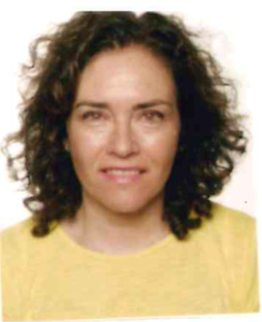
Belén de Andrés Muguruza
Research Scientist
ORCID code: 0000-0002-7391-2823
Graduated in Biology in 1987 and PhD in 1992 from the Autonomous University of Madrid. He completed his doctoral thesis in the laboratory of Dr. Carlos Lahoz in the Immunology department of the Jiménez Díaz Foundation with a pre-doctoral stay at the Institute Curie in Paris, in the laboratory of Dr. Wolf H. Fridman. Subsequently, he completed a two-year postdoctoral stay in the Department of Pathology of the College of Medicine at the University of Iowa, USA, in the laboratory of Dr. Richard G. Lynch. After a year as an Adjunct in the Immunology department of the Jiménez Diaz Foundation, she worked for 2 years with a reinstatement contract from the Ministry of Science in the Immunobiology department of the CNM/ISCIII in the laboratory of Dr. Mª Luisa Gaspar and later with a Ramón y Cajal contract. In 2006 she obtained a position as Staff Senior Scientist.
-
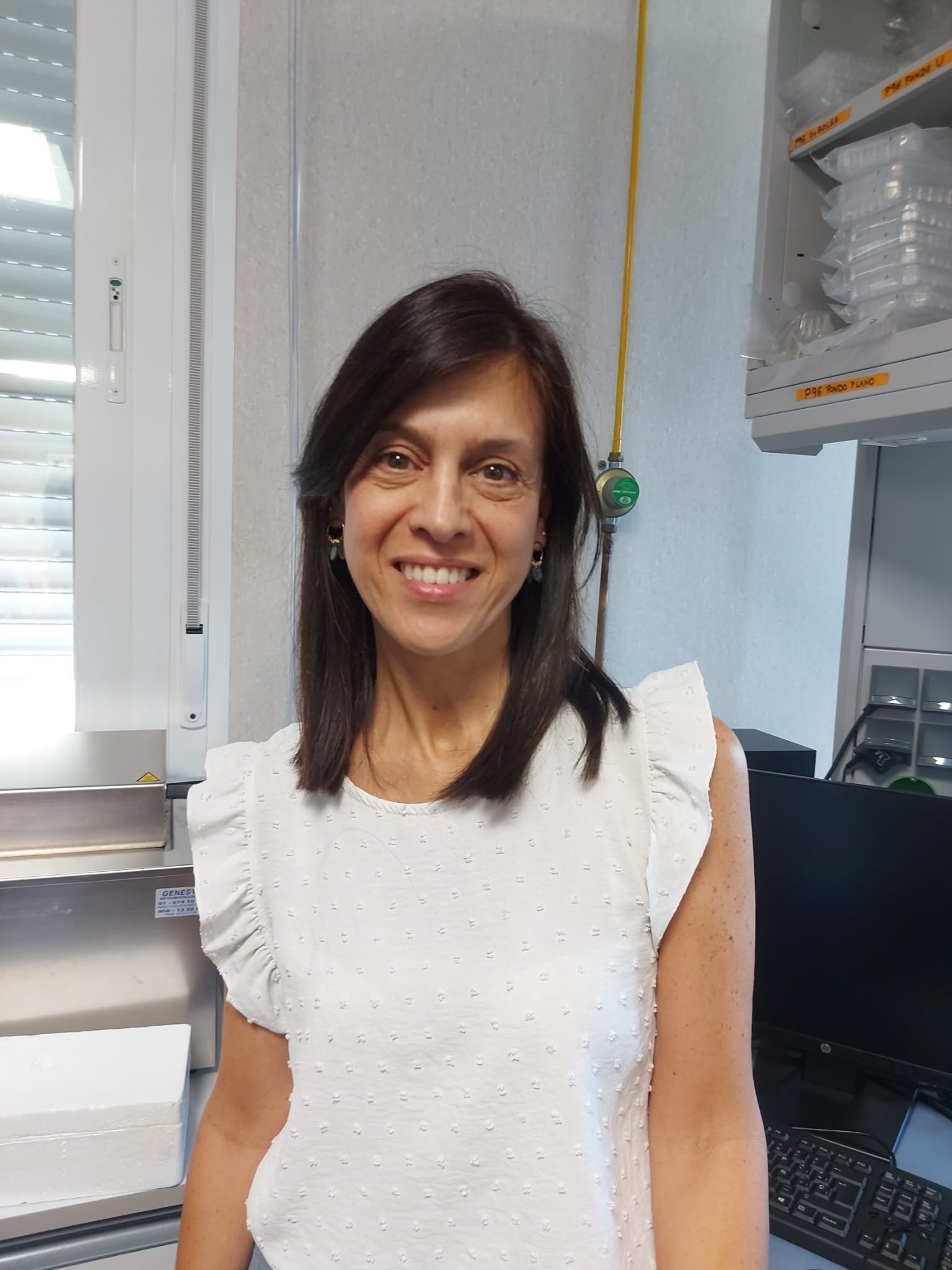
Isabel Cortegano Jimeno
Research Scientist
ORCID code: 0000-0002-6504-6347
Graduated in Biology in 1995 (Specialty in Biochemistry and Molecular Biology) and PhD in 1999 from the Autonomous University of Madrid. He completed his doctoral thesis at the Jiménez Díaz Foundation in the Immunology laboratory directed by Dr. Carlos Lahoz. Later he obtained a postdoctoral fellowship in the Immunobiology laboratory of Dr. Mª Luisa Gaspar at the National Center of Microbiology (CNM) of the Carlos IIII Health Institute (ISCIII) (2002-2006). He then enjoyed an I3P contract from the CSIC in the laboratory of Professor Miguel Ángel Rodríguez-Marcos (2007-2009). She has been a researcher associated with research projects in the ISCIII Immunobiology laboratory during the years 2010-2018. Since 2018 she has been an associate professor in the Department of Cell Biology of the UCM Faculty of Medicine. He coordinates the scientific dissemination group of the Spanish Society of Immunology (GESEI), is part of the editorial committee of the SEI magazine and is a member of the board of the CAM Immunology Society. She is a Senior Scientist of the ISCIII at the National Center for Microbiology since 2020.
-
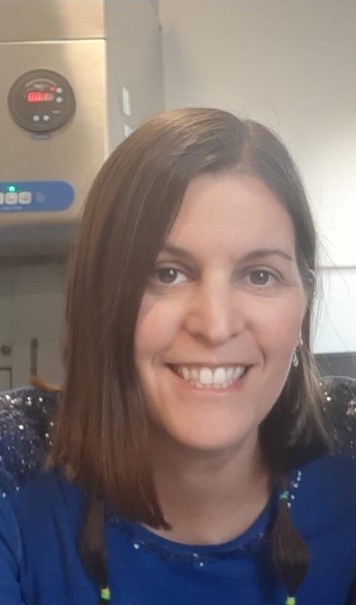
Carolina Ruiz Sánchez
Specialized Technician
ORCID code: 0000-0002-2177-8132
Graduated in Chemical Sciences (biochemistry specialty) in 1998 and PhD in 2022 from the Complutense University of Madrid. In 2008 he joined the OPIS Assistant in the Immunobiology laboratory of the National Center for Microbiology of the ISCIII, specializing in flow cytometry the first year and subsequently becoming part of the laboratory's technical team. In 2012 he was promoted to Intermediate Level Technician and in 2018 to Higher Specialized Technician of the OPIS, currently occupying this position in the same laboratory.
-
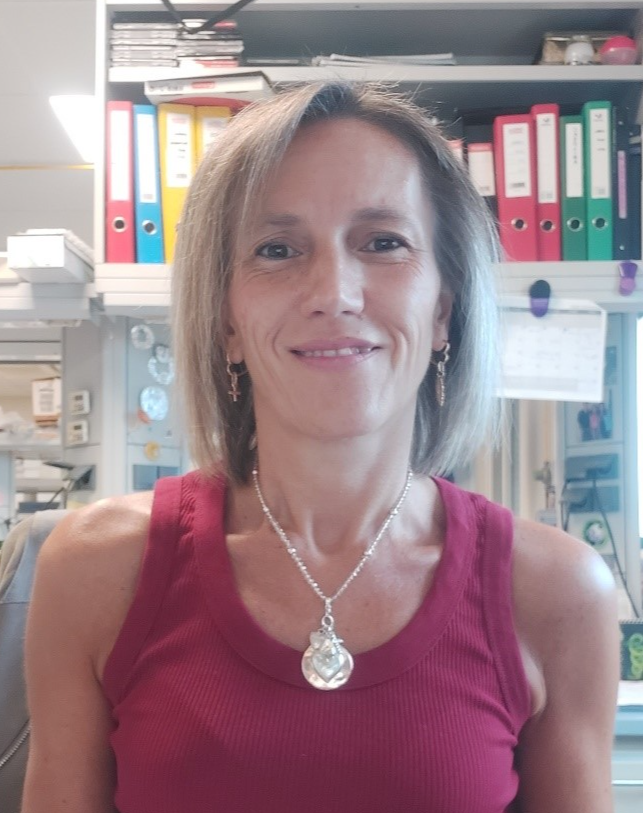
Mercedes Rodríguez García
Specialized Higher Technician
Graduated in Biology from the Complutense University of Madrid in 2003, she began her doctoral studies in the Bone Metabolism laboratory of the La Paz University Hospital.
In 2007 he joined as a Research Assistant at the Carlos III Health Institute, at the CNM, in the Transplant Immunology laboratory. After 5 years, he began working in the Immunobilology laboratory where he was promoted in 2018 to Specialized Technician, in 2024 to Senior Specialized Technician and where he currently continues to develop his professional career. -
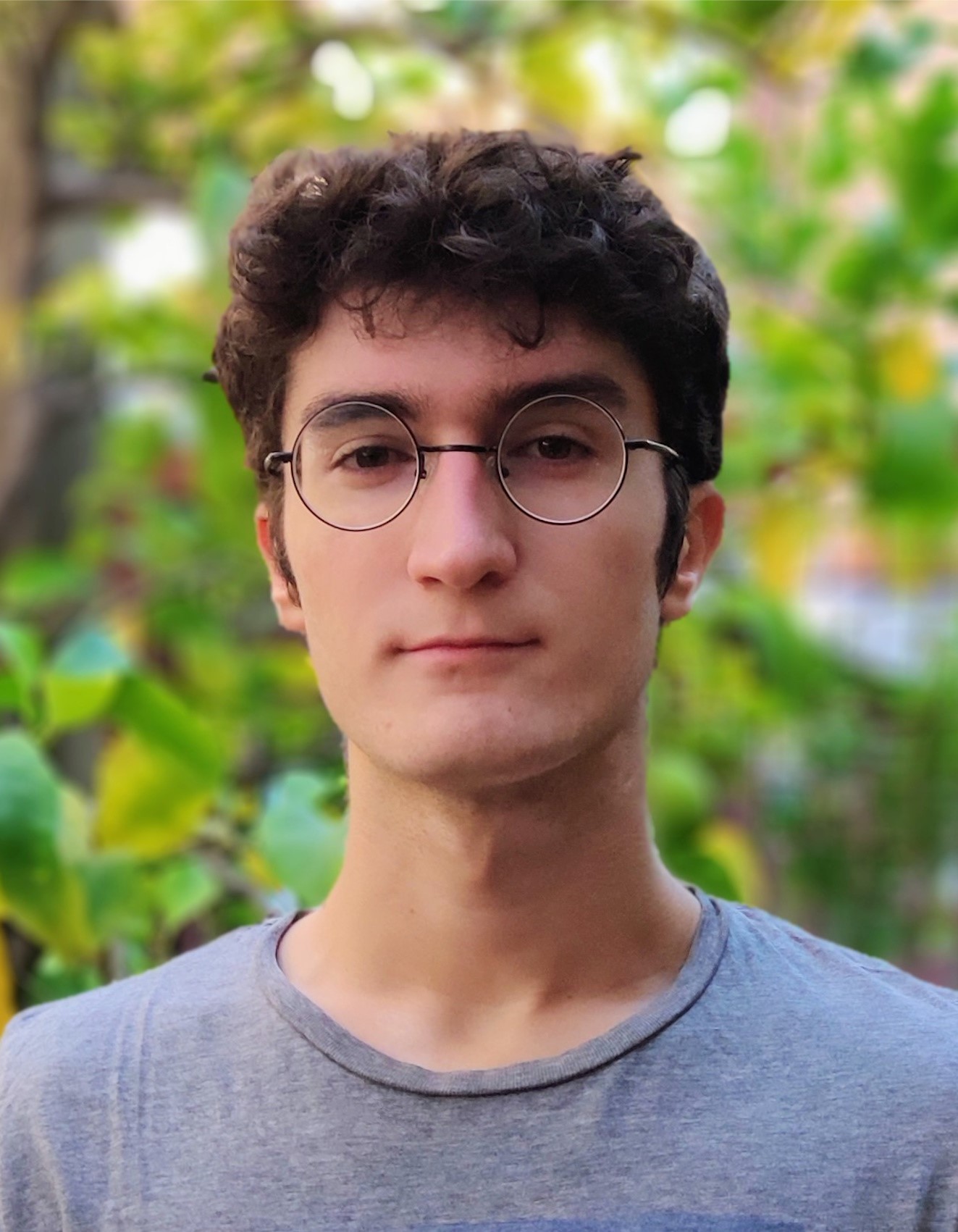
Alejandro Arrabal Sierra
Predoctoral Contract (Industrial Doctorate from CAM / Inmunotek).
ORCID code: 0000-0002-9354-9224
Graduated in Biotechnology in 2021 from the Polytechnic University of Madrid, carrying out his final degree project in the Immunobiology laboratory of the National Microbiology Center of the ISCIII. In 2021, he completed a Master's Degree in Research in Immunology at the Complutense University of Madrid and completed his master's thesis in the same CNM laboratory. Subsequently, he worked for a year as a Research Assistant in the laboratory of Dr. Elena Fernández Ruiz at the Hospital Universitario de la Princesa. Since the end of 2023, he has been a predoctoral fellow in the CNM Immunobiology laboratory with an Industrial Doctorate scholarship from the Community of Madrid in collaboration with the company Inmunotek.
-
Pilar Portolés Pérez
Científico Titular de OPIs. Jefa de Unidad
-
Begoña Galocha Iragüen
Científico Titular
-
Jordi Cano Ochando
Investigador principal
-
Patricia Conde Sanromán
Postdoctoral
-
Haisul Chang
Postdoctoral
-
María González Gómez
Estudiante de doctorado
-
Ana Belén Martin Ezquerra
Técnico especializada de OPIs
-
Soledad Crespo Carrasco
Técnico Contratada
-
Pilar Lauzurica Gómez
Investigador Principal
-
Daniel López Rodríguez
Investigador Principal
-
Elena Lorente Galán
Técnico Especializado de OPIS
-
Almudena Albentosa Cocho
Ayudante de Investigación
-
Carmen Mir Guerrero
Técnico de Laboratorio
-
Miguel Gómez Fontela
Contrato Predoctoral


List of staff
Additional Information
The Reference and Research Laboratory for Water-borne an Food-borne Bacterial Diseases (LRIEBTAA) is recognized as a national reference laboratory for the zoonotic agents Salmonella, verotoxigenic Escherichia coli, Yersinia., Campylobacter. and Vibrio (RD 1940/2004 of September 27, Order APA/1808/2007 of June 13). In this sense, its main activity is to ensure adequate surveillance of these zoonoses, zoonotic agents and associated antibiotic resistance, as well as proper investigation of outbreaks caused by these microorganisms. In addition, the LRIEBTAA acts as a reference laboratory for Shigella, other diarrheagenic groups of E. coli, Legionella and toxigenic Corynebacterium species. Added to its reference activity is its applied research activity, among which those mentioned above stand out.
The members of the group carry out an important training activity. Every year, 3-5 students who develop their final Master's or Degree projects, laboratory technicians in training and rotating students of the specialty of Clinical Microbiology from different national origins are welcomed in the laboratory. In addition, it actively participates in the Public Health microbiologist training program funded by the ECDC through its supervision at the national level and coordination/supervision at the international level.
The Reference and Research Laboratory for Water-borne an Food-borne Bacterial Diseases (LRIEBTAA) is recognized as a national reference laboratory for the zoonotic agents Salmonella, verotoxigenic Escherichia coli, Yersinia., Campylobacter. and Vibrio (RD 1940/2004 of September 27, Order APA/1808/2007 of June 13). In this sense, its main activity is to ensure adequate surveillance of these zoonoses, zoonotic agents and associated antibiotic resistance, as well as proper investigation of outbreaks caused by these microorganisms. In addition, the LRIEBTAA acts as a reference laboratory for Shigella, other diarrheagenic groups of E. coli, Legionella and toxigenic Corynebacterium species. Added to its reference activity is its applied research activity, among which those mentioned above stand out.
The members of the group carry out an important training activity. Every year, 3-5 students who develop their final Master's or Degree projects, laboratory technicians in training and rotating students of the specialty of Clinical Microbiology from different national origins are welcomed in the laboratory. In addition, it actively participates in the Public Health microbiologist training program funded by the ECDC through its supervision at the national level and coordination/supervision at the international level.