



We protect your health through science
Investigation
Bacterial Genetics
Research Lines
Content with Investigacion .
Inmunología Microbiana e Inmunogenética
1. Análisis de la respuesta innata de mamíferos en la infección por Leishmania.
2. Caracterización inmunoproteómica en :
a. Streptococcus suis
b. Lactococcus garviae
c. Mycobacterium spp
3. Desarrollo de inmunoensayos analíticos basados en anticuerpos monoclonales (AcM) para detectar y cuantificar antígenos de origen animal, vegetal y microbiano.
4. Desarrollo y caracterización de AcM frente a los componentes del sistema del Complemento. Aplicación diagnóstica.
5. Desarrollo de reactivos de referencia y diseño de inmunoensayos para la evaluación cualitativa y cuantitativa de toxinas clostridiales.
6. Oferta tecnológica de producción de AcM y policlonales frente a substancias de interés industrial y biomédico.
El grupo está interesado en el estudio de la respuesta inmune desde una perspectiva multidisciplinar que incluye aproximaciones bioquímicas, biotecnológicas, genómicas, inmunoinformáticas y proteómicas, que junto con el uso adicional de modelos in vivo se encaminan al diseño de estrategias terapéuticas frente a diversas enfermedades crónicas, infecciosas y raras que poseen un claro componente inmunológico en su etiología.
Las principales líneas de investigación que está desarrollando el grupo en la actualidad son:
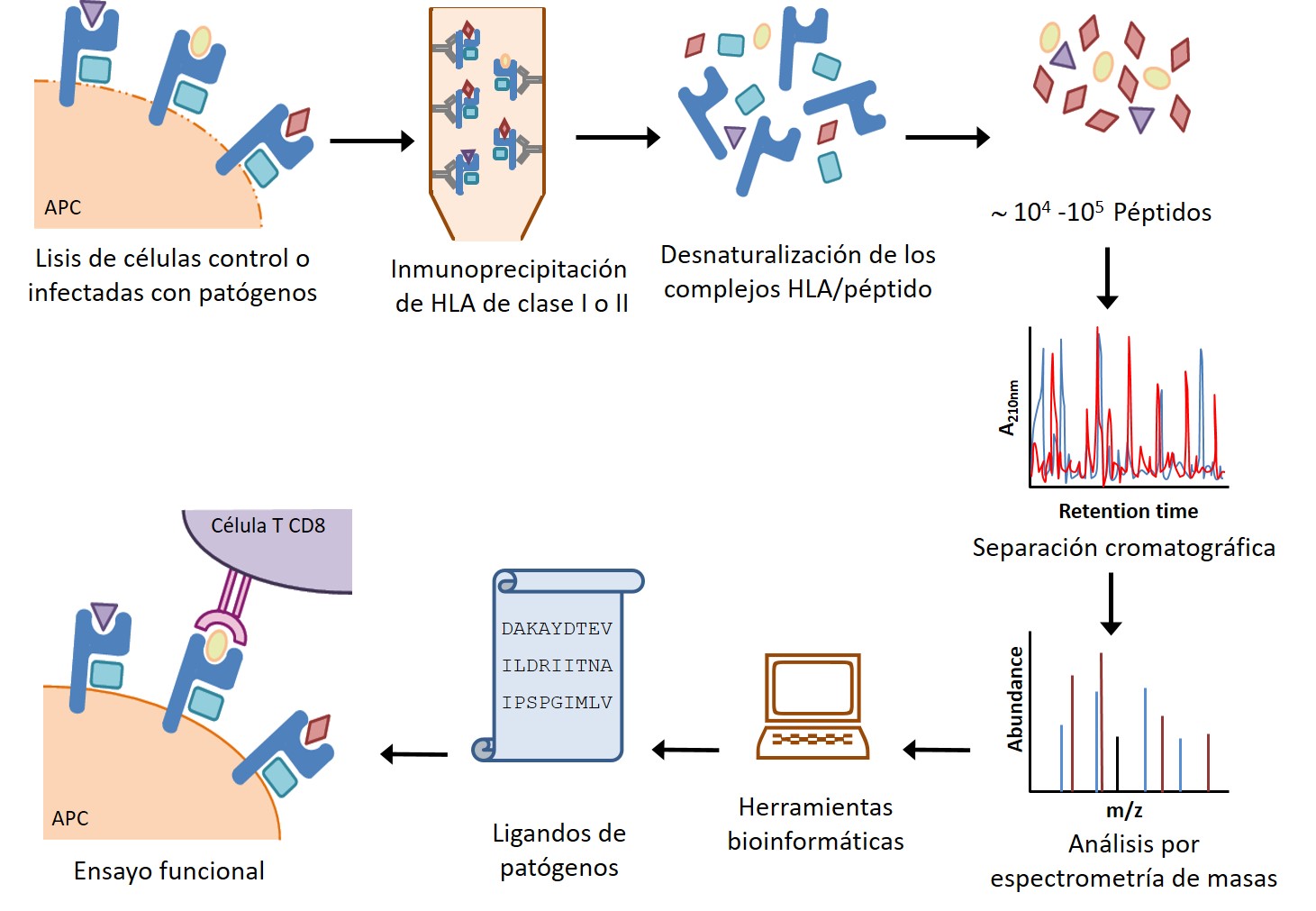
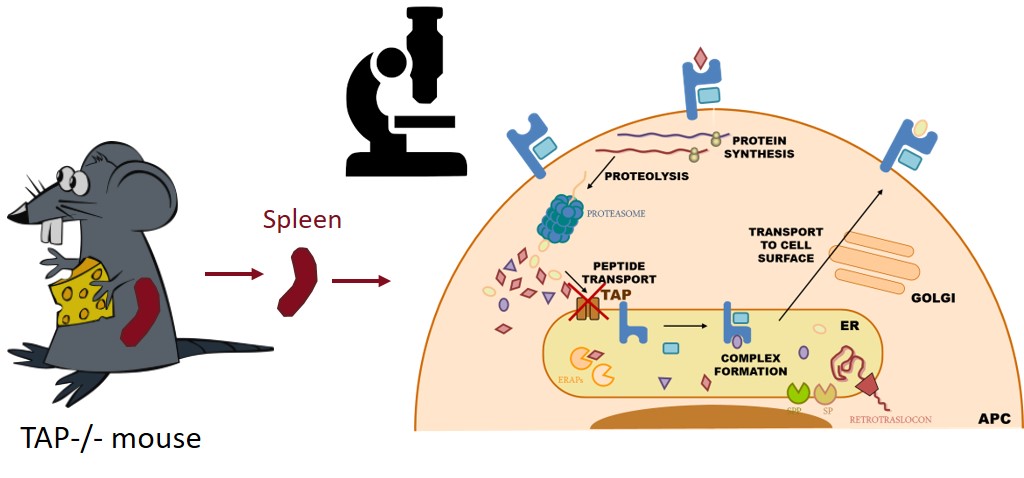
- * Análisis de las respuestas inmunes celulares frente a patógenos virales y bacterianos, mediante técnicas inmunoproteómicas, modelos in vivo con animales transgénicos y muestras humanas.
- * Caracterización de CD69: regulación génica, función reguladora inmune en homeostasis e infección y su uso como diana terapéutica, edición génica por CRISPR en modelos animales y celulares, etc.

* Desarrollo de herramientas inmunoinformáticas que permitan analizar la respuesta inmune celular frente a diversos virus de interés sanitario y determinar la eficacia de sus vacunas a nivel de población mundial.

* Estudio de las respuestas inmunes celulares frente a enfermedades raras (artritis reactiva y síndrome del linfocito desnudo) y crónicas (espondiloartropatías).
* Inclusión de componentes del sistema inmune en la fabricación de tejidos humanos, especialmente piel, para uso clínico, farmacéutico y cosmético.
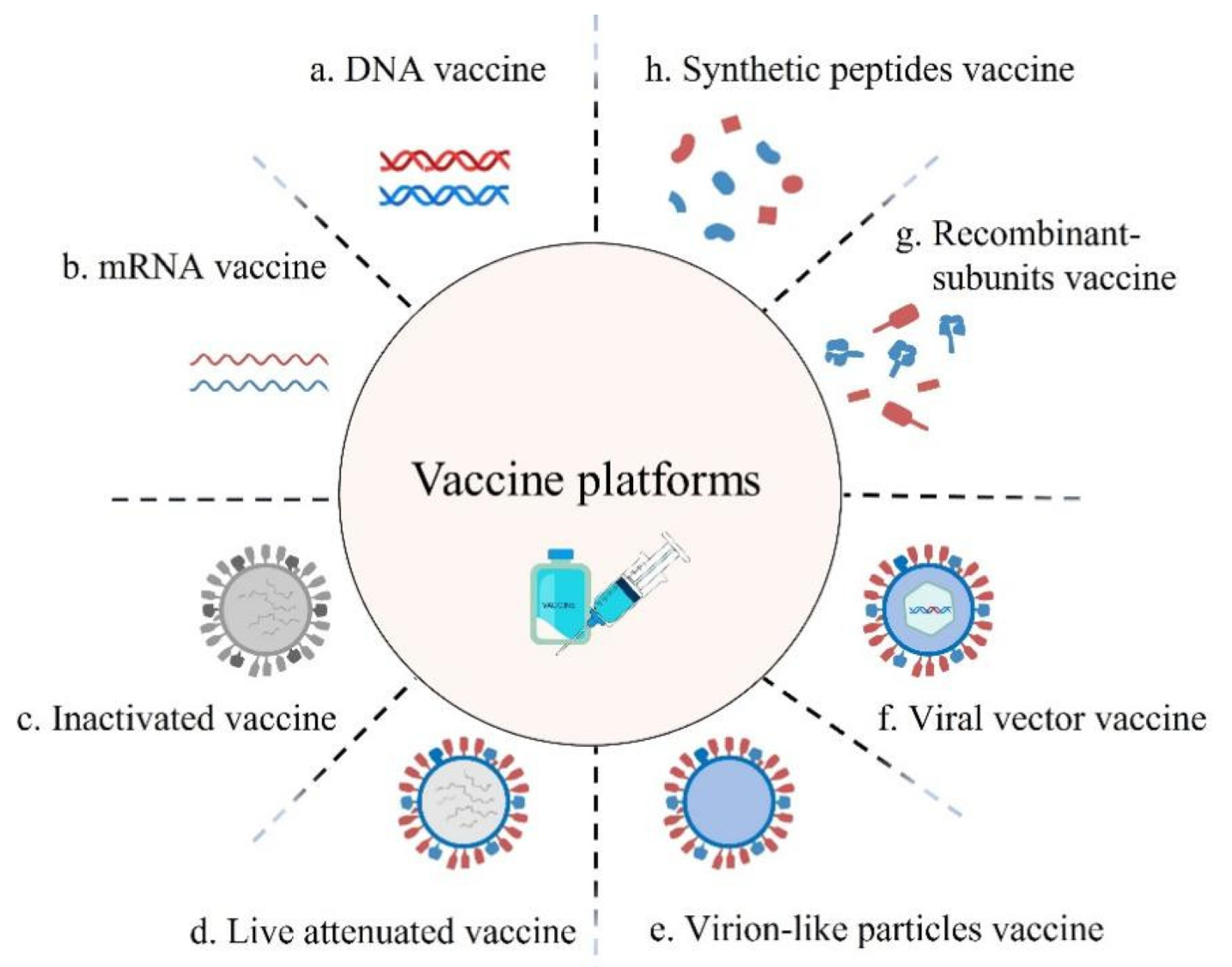
- * Generación de virus recombinantes como vectores vacunales.
Research projects
Content with Investigacion .
Los proyectos del grupo de los últimos años son los siguientes:
Proyecto “La interrelación de CD69 y el procesamiento antigénico en enfermedades infecciosas y autoinmunes" financiado por la Acción Estratégica en Salud del Ministerio de Ciencia, Innovación y Universidades. Año: 2023-2025.
Proyecto “Interacciones génicas y proteicas de CD69 y sus regiones génicas reguladoras con moléculas" financiado por la AEI. Año: 2022-2024.

Proyecto “Nuevas tecnologías de fabricación y optimización de tejidos: la piel como sistema modelo” financiado por el Programa de Actividades de I+D entre grupos de investigación de la Comunidad de Madrid en tecnologías 2018. Año: 2020-2023. Proyecto Coordinado por el Dr. Pablo Acedo de la Universidad Carlos III.
Proyecto “Estudio de CD69 como diana para mejorar el tratamiento de la leucopania y la movilización de células T de memoria de médula ósea" financiado por la Acción Estratégica en Salud del Ministerio de Ciencia, Innovación y Universidades. Año:2020-2024.
Proyecto “Diseño racional de una vacuna contra el virus respiratorio sincitial humano” financiado por la Acción Estratégica en Salud del Ministerio de Ciencia, Innovación y Universidades. Año: 2019-2022
Proyecto “Función de CD69 y sus elementos reguladores" financiado por la Acción Estratégica en Salud del Ministerio de Ciencia, Innovación y Universidades. Año: 2017-2022.
Proyecto “Diseño de vacunas recombinantes poliepitópicas para generar respuestas CD8+ contra virus emergentes” financiado por el Plan Nacional de I+D+i del Ministerio de Economía y Competitividad. Año: 2015-2017.
Proyecto “Análisis de los efectos de CD69 dependientes de S1P1 en modelos de infección e inflamación y estudio de su regulación” financiado por el FIS. Año: 2014-2017.
Proyecto “ADELVAC: Adenovirus con delecciones epitópicas para vacunación” financiado por el programa INNPACTO del Ministerio de Economía y Competitividad. Centro Nacional de Microbiología, Instituto de Salud Carlos III. Año: 2012-2014. Proyecto Coordinado por el Dr. Manel Cascallo de VCN BIOSCIENCES SL.
Proyecto “Diseño de vacunas multiepitópicas recombinantes para aumentar la respuesta inmune celular contra el VRSH” financiado por el Plan Nacional de I+D+i del Ministerio de Ciencia e Innovación. Año: 2012-2014.
Publications
Detection of Rhabdovirus viral RNA in oropharyngeal swabs and ectoparasites of Spanish bats
Aznar C, Vazquez-Moron S, Martson D, Juste J, Ibáñez C, Berciano JM, Salsamendi E, Aihartza J, Banyard AC, McElhinney L, Fooks AR, Echevarria JE. Detection of Rhabdovirus viral RNA in oropharyngeal swabs and ectoparasites of Spanish bats. Journal of General Virology. 2013. 94: 69-75.
PUBMED DOIGenomic non-coding regions reveal hidden patterns of mumps virus circulation in Spain, 2005 to 2015
Gavilán AM, Fernández-García A*, Rueda A, Castellanos A, Masa J, López-Perea N, Torres de Mier MV, de Ory F, Echevarría JE. Non-coding sequences reveal hidden patterns of mumps virus circulation in Spain, 2005 to 2015. Eurosurveillance,2018, 23(15): 1-8. *Corresponding author.
PUBMED DOIFirst cases of European Bat Lyssavirus type 1 in Iberian serotine bats: implications for the molecular epidemiology of bat rabies in Europe.
Mingo-Casas P, Sandonís V, Obón E, Berciano JM, Vázquez-Morón S, Juste J, Echevarría JE. First cases of European Bat Lyssavirus type 1 in Iberian serotine bats: implications for the molecular epidemiology of bat rabies in Europe. Plos Neglected Tropical Diseases, 2018: 12(4): e0006290.
PUBMED DOILast cases of rubella and congenital rubella syndrome in Spain, 1997–2016: The success of a vaccination program
Seppälä EM, López-Perea N, Torres de Mier MV, Echevarría JE, Fernández García A, Masa-Calles J. Last cases of rubella and congenital rubella syndrome in Spain, 1997–2016: The success of a vaccination program. Vaccine, 2019, 37(1):169-175.
PUBMED DOICombination of Cefditoren and N-acetyl-l-Cysteine Shows a Synergistic Effect against Multidrug-Resistant Streptococcus pneumoniae Biofilms
Llamosí M, Sempere J, Coronel P, Gimeno M, Yuste J, Domenech M. Combination of Cefditoren and N-acetyl-l-Cysteine Shows a Synergistic Effect against Multidrug-Resistant Streptococcus pneumoniae Biofilms. Microbiol Spectr. 2022 Dec 21;10(6):e0341522
PUBMED DOIClearance of mixed biofilms of Streptococcus pneumoniae and methicillin-susceptible/resistant Staphylococcus aureus by antioxidants N-acetyl-L-cysteine and cysteamine
Sempere J, Llamosí M, Román F, Lago D, González-Camacho F, Pérez-García C, Yuste J, Domenech M. Clearance of mixed biofilms of Streptococcus pneumoniae and methicillin-susceptible/resistant Staphylococcus aureus by antioxidants N-acetyl-L-cysteine and cysteamine. Sci Rep. 2022 Apr 23;12(1):6668
PUBMED DOIClinical Relevance and Molecular Pathogenesis of the Emerging Serotypes 22F and 33F of Streptococcus pneumoniae in Spain
Sempere J, de Miguel S, González-Camacho F, Yuste J, Domenech M. Clinical Relevance and Molecular Pathogenesis of the Emerging Serotypes 22F and 33F of Streptococcus pneumoniae in Spain. Front Microbiol. 2020 Feb 27;11:309.
PUBMED DOICombination of Antibodies and Antibiotics as a Promising Strategy Against Multidrug-Resistant Pathogens of the Respiratory Tract
Domenech M, Sempere J, de Miguel S, Yuste J. Combination of Antibodies and Antibiotics as a Promising Strategy Against Multidrug-Resistant Pathogens of the Respiratory Tract. Front Immunol. 2018 Nov 20;9:2700. doi: 10.3389/fimmu.2018.02700. PMID: 30515172; PMCID: PMC6256034.
DOIChemotherapy with Phage Lysins Reduces Pneumococcal Colonization of the Respiratory Tract
Corsini B, Díez-Martínez R, Aguinagalde L, González-Camacho F, García-Fernández E, Letrado P, García P, Yuste J. Chemotherapy with Phage Lysins Reduces Pneumococcal Colonization of the Respiratory Tract. Antimicrob Agents Chemother. 2018 May 25;62(6):e02212-17. doi: 10.1128/AAC.02212-17. PMID: 29581113; PMCID: PMC5971604.
DOIImpact of Biological Therapies on the Immune Response after Pneumococcal Vaccination in Patients with Autoimmune Inflammatory Diseases
Richi P, Yuste J, Navío T, González-Hombrado L, Salido M, Thuissard-Vasallo I, Jiménez-Díaz A, Llorente J, Cebrián L, Lojo L, Steiner M, Cobo T, Martín MD, García-Castro M, Castro P, Muñoz-Fernández S. Impact of Biological Therapies on the Immune Response after Pneumococcal Vaccination in Patients with Autoimmune Inflammatory Diseases. Vaccines. 2021 Feb 28;9(3):203. doi: 10.3390/vaccines9030203. PMID: 33671007; PMCID: PMC7997274.
DOIPleiotropic Effects of Cell Wall Amidase LytA on Streptococcus pneumoniae Sensitivity to the Host Immune Response
Ramos-Sevillano E, Urzainqui A, Campuzano S, Moscoso M, González-Camacho F, Domenech M, Rodríguez de Córdoba S, Sánchez-Madrid F, Brown JS, García E, Yuste J. Pleiotropic effects of cell wall amidase LytA on Streptococcus pneumoniae sensitivity to the host immune response. Infect Immun. 2015 Feb;83(2):591-603. doi: 10.1128/IAI.02811-14. PMID: 25404032; PMCID: PMC4294232.
DOIPSGL-1 on Leukocytes is a Critical Component of the Host Immune Response against Invasive Pneumococcal Disease
Ramos-Sevillano E, Urzainqui A, de Andrés B, González-Tajuelo R, Domenech M, González-Camacho F, Sánchez-Madrid F, Brown JS, García E, Yuste J. PSGL-1 on Leukocytes is a Critical Component of the Host Immune Response against Invasive Pneumococcal Disease. PLoS Pathog. 2016 Mar 14;12(3):e1005500. doi: 10.1371/journal.ppat.1005500. PMID: 26975045; PMCID: PMC4790886.
DOIComparison of methods and characterization of small RNAs from plasma extracellular vesicles of HIV/HCV coinfected patients
Martínez-González E; Brochado-Kith O; Gómez-Sanz A; et al; Fernández-Rodríguez A (AC). (9/9). 2020. Small RNA sequencing from plasma extracellular vesicles of HIV/HCV coinfected patients: a protocol comparison SCIENTIFIC REPORTS. 9. ISSN 2045-2322.
DOIRelative telomere length impact on mortality of COVID-19: Sex differences
Virseda-Berdices A; Concostrina-Martinez L; Martínez-González O;et al; Fernández-Rodríguez A (AC). (14/14). 2022. Relative telomere length impact on mortality of COVID-19: Sex differences.Journal of medical virology. 95, pp.e28368. ISSN 0146-6615.
DOIHepatitis C Virus Influences HIV-1 Viral Splicing in Coinfected Patients
Martínez-Román P; López-Huertas MR; Crespo-Bermejo C; et al; Briz V (AC). (16/15). 2020. Hepatitis C virus influences HIV-1 viral splicing in coinfected patients JOURNAL OF CLINICAL MEDICINE. MDPI. ISSN 2077-0383.
DOIHCV eradication with IFN-based therapy does not completely restore gene expression in PBMCs from HIV/HCV-coinfected patients
Brochado-Kith; Martínez I; Berenguer J; et al; Fernández-Rodríguez A (AC); Resino S. (11/12). 2021. HCV eradication with IFN-based therapy does not completely restore gene expression in PBMCs from HIV/HCV-coinfected patients. Journal of Biomedical Sciences. Springer Nature. 28-1.
DOIOLFM4 polymorphisms predict septic shock survival after major surgery. Eur J Clin Invest.
Pérez-García F; Resino S; Gómez-Sánchez E; et al; Jiménez-Sousa MÁ (10/10). OLFM4 polymorphisms predict septic shock survival after major surgery. Eur J Clin Invest. 2021. 51(4):e13416. doi: 10.1111/eci.13416.
Alcazar-Fuoli L, Mellado E, Garcia-Effron G, Buitrago MJ, Lopez JF, Grimalt JO, Cuenca-Estrella JM, Rodriguez-Tudela JL. Aspergillus fumigatus C-5 sterol desaturases Erg3A and Erg3B: role in sterol biosynthesis and antifungal drug susceptibility. Antimicrob Agents Chemother. 2006 Feb
Alcazar-Fuoli L, Mellado E, Garcia-Effron G, Buitrago MJ, Lopez JF, Grimalt JO, Cuenca-Estrella JM, Rodriguez-Tudela JL. Aspergillus fumigatus C-5 sterol desaturases Erg3A and Erg3B: role in sterol biosynthesis and antifungal drug susceptibility. Antimicrob Agents Chemother. 2006 Feb;50(2):453-60. doi: 10.1128/AAC.50.2.453-460.2006. PMID: 16436696; PMCID: PMC1366924.
PUBMED14. Alcazar-Fuoli L, Mellado E, Alastruey-Izquierdo A, Cuenca-Estrella M, Rodriguez-Tudela JL. Aspergillus section Fumigati: antifungal susceptibility patterns and sequence-based identification. Antimicrob Agents Chemother. 2008 Apr
Alcazar-Fuoli L, Mellado E, Alastruey-Izquierdo A, Cuenca-Estrella M, Rodriguez-Tudela JL. Aspergillus section Fumigati: antifungal susceptibility patterns and sequence-based identification. Antimicrob Agents Chemother. 2008 Apr;52(4):1244-51. doi: 10.1128/AAC.00942-07. Epub 2008 Jan 22. PMID: 18212093; PMCID: PMC2292508.
PUBMED DOIAlcazar-Fuoli L, Mellado E, Alastruey-Izquierdo A, Cuenca-Estrella M, Rodriguez-Tudela JL. Species identification and antifungal susceptibility patterns of species belonging to Aspergillus section Nigri. Antimicrob Agents Chemother. 2009 Oct
Alcazar-Fuoli L, Mellado E, Alastruey-Izquierdo A, Cuenca-Estrella M, Rodriguez-Tudela JL. Species identification and antifungal susceptibility patterns of species belonging to Aspergillus section Nigri. Antimicrob Agents Chemother. 2009 Oct;53(10):4514-7. doi: 10.1128/AAC.00585-09. Epub 2009 Jul 27. PMID: 19635955; PMCID: PMC2764190.
PUBMED DOIAdditional Information
Streptococcus pneumoniae is a human pathogen that, despite the development of vaccines, continues to be an important cause of mortality and morbidity. We investigate the mechanisms of antibiotic resistance in this bacterium. On the one hand by identifying new therapeutic targets and on the other hand by investigating the molecular basis of the action of antibiotics already used in clinical practice (the fluoroquinolones levofloxacin and moxifloxacin) or not yet used (seconeolitsine). For this purpose, we used a multidisciplinary analysis involving genomics, transcriptomics and proteomics to understand the organization of the S. pneumoniae chromosome and the identification of the factors that stabilize this organization, including ncRNAs. Changes in the level of global supercoiling, either by inhibition of gyrase (decrease) or by inhibition of topoisomerase I (increase) alter the transcriptome. The modulated genes are located in domains, whose genes show specific functional characteristics. The aim is to identify new factors essential for S. pneumoniae physiology and to characterize transcriptional regulation in response to topological stress. In addition, RNA interference technology and CRISPR systems will be used as novel antibacterials. These studies will establish the bases for translational research aimed at the development of new therapeutic targets for the treatment of pneumococcal diseases.
Streptococcus pneumoniae is a human pathogen that, despite the development of vaccines, continues to be an important cause of mortality and morbidity. We investigate the mechanisms of antibiotic resistance in this bacterium. On the one hand by identifying new therapeutic targets and on the other hand by investigating the molecular basis of the action of antibiotics already used in clinical practice (the fluoroquinolones levofloxacin and moxifloxacin) or not yet used (seconeolitsine). For this purpose, we used a multidisciplinary analysis involving genomics, transcriptomics and proteomics to understand the organization of the S. pneumoniae chromosome and the identification of the factors that stabilize this organization, including ncRNAs. Changes in the level of global supercoiling, either by inhibition of gyrase (decrease) or by inhibition of topoisomerase I (increase) alter the transcriptome. The modulated genes are located in domains, whose genes show specific functional characteristics. The aim is to identify new factors essential for S. pneumoniae physiology and to characterize transcriptional regulation in response to topological stress. In addition, RNA interference technology and CRISPR systems will be used as novel antibacterials. These studies will establish the bases for translational research aimed at the development of new therapeutic targets for the treatment of pneumococcal diseases.