



We protect your health through science
Investigation
AIDS Immunopathology
Research Lines
Content with Investigacion .
Infecciones Víricas e Inmunidad en Enfermos Inmunodeprimidos
Nuestras líneas de investigación se centran en distintas áreas del conocimiento relacionadas con hepatitis virales crónicas (Hepatitis B, C y D), VIH, y SARS-CoV-2:
- Inmunopatogenia de las infecciones virales y su relación con eventos clínicos.
- Impacto en el organismo del control o eliminación de la infección viral.
- Biopsia líquida y ómicas: biomarcadores de enfermedad en infección viral.
- Resistencia a la infección viral y aclaramiento espontáneo.
- Cribado de infección viral y epidemiología molecular de los virus.
- Desarrollo de kits de diagnóstico rápido.
- Respuesta inmune a vacunas.
Infección por CMV en pacientes trasplantados
En los últimos años en nuestro grupo hemos estudiado la cinética de infección por CMV y el desarrollo de la respuesta inmune protectora específica frente a CMV. Como resultados de estos estudios hemos sido capaces de caracterizar la cinética y magnitud de la adquisición de la respuesta inmune frente a CMV y establecer puntos de corte de inmunidad específica que se relacionan con la protección frente a la infección.
El objetivo de esta línea de investigación en los últimos años ha sido definir parámetros relacionados con la respuesta inmune específica frente a CMV y con factores genéticos que puedan estar relacionados con el control de la infección y enfermedad por CMV. El estudio de estas variables de forma conjunta como marcadores de predicción del riesgo de desarrollo de infección/enfermedad y de la evolución de la infección tras el trasplante permitirían establecer un algoritmo para el manejo de los pacientes. Además, permitirían definir niveles mínimos de protección que sirvan de endpoints para el desarrollo de una vacuna. Esta línea de investigación se enmarca dentro del programa de Infecciones en Transplantes de la Red Española de Investigación en Patologías Infecciosas (REIPI), como parte del WP2 denominado Optimización de la prevención de la enfermedad por CMV.
Desarrollo preclínico de vacunas protectoras frente a CMV
La vacuna ideal frente a CMV debería estar compuesta por múltiples antígenos y ser capaz de imitar el efecto producido por la infección natural, y estimular una respuesta inmune específica combinada tanto de células T como de anticuerpos neutralizantes. Sin embargo, a pesar de los esfuerzos realizados y los progresos de los últimos años, los resultados obtenidos en el desarrollo de una vacuna frente a CMV no han mostrado resultados definitivos.
Por tanto, el objetivo de esta línea de investigación es promover aproximaciones innovadoras para el diseño y desarrollo de una vacuna frente a la infección por CMV. Para ello se ha puesto en marcha una aproximación a través de la construcción de un plásmido optimizado para generar una respuesta inmune combinada y amplia específica frente a CMV y la búsqueda de los antígenos candidatos, a través del estudio de la inmunogenicidad in vivo del proteoma completo de CMV.
Desarrollo preclínico de alternativas terapéuticas frente a CMV basadas en la inmunoterapia
La inmunidad mediada por células T constituye una respuesta adaptativa fundamental y representa el mecanismo de defensa más importante frente a la infección viral. Por otra parte, la presencia en suero de anticuerpos neutralizantes se han asociado con tasas más bajas de transmisión del CMV de la madre al feto y en los receptores de trasplante de órgano sólido.
El presente proyecto propone un enfoque novedoso a través de la identificación y caracterización de la respuesta inmune tanto celular como de anticuerpos en pacientes que han sido inmunizados de forma natural y están protegidos frente a la infección por CMV, para abordar el desarrollo preclínico de alternativas terapéuticas basadas en la transferencia adoptiva de células T CD8+ citotóxicas y de anticuerpos monoclonales específicos de CMV con el objetivo de desarrollar una nueva estrategia terapéutica para el tratamiento frente a la infección por este patógeno.
Estudio del desarrollo de inmunidad frente a SARS-CoV-2
Dada la situación producida como consecuencia de la propagación del SARS-CoV-2 urge la realización de estudios serológicos que nos ayuden a determinar el alcance y la duración de la inmunidad adquirida por la población infectada por SARS-CoV-2 que ha superado la enfermedad. En este sentido el estudio de los anticuerpos neutralizantes, que son aquellos que reconocen las proteínas del virus implicadas en el reconocimiento del receptor celular bloqueando su capacidad infectiva, en pacientes recuperados de la infección por SARS-CoV-2 podrían ser clave para explicar el pronóstico de la enfermedad en estos pacientes. Además son necesarios estudios que estudien la cinética de la inmunidad de anticuerpos específicos frente a coronavirus y su relación con la evolución de la enfermedad que nos permitan establecer estrategias de manejo de los pacientes en base a su patrón inmunológico.
También participamos en el desarrollo de un prototipo de vacuna basado en ADN plasmídico que expresa antígenos de SARS-CoV-2 y la caracterización de la respuesta inmune inducida por esta vacuna en un modelo murino de inmunización.
Research projects
Content with Investigacion .
CURRENT PROJECTS
Project title: "Biochemical and functional characterisation of salivary proteins of Phlebotomus perniciosus and their role in infection by Leishmania infantum (PERNIPROT)"Reference: Project PID2023-147773NA-I00 funded by MICIU/AEI/10.13039/501100011033 and by FEDER, EU.
Start date: 01/09/2024
End date: 31/08/2028
Funding: €175,000
Principal investigator: Inés Elena Martín Martín.
Funding agency: Agencia Estatal de Investigación (Proyecto de Generación del Conocimiento 2023).

Project title: "Surveillance of leishmaniasis in the Community of Madrid from a “One Health” perspective: study of the infectious capacity of patients with visceral leishmaniasis and their role as reservoirs"
Reference: PI24CIII/00026
Start date: 01/01/2025
End date: 31/12/2027
Funding: €60,000.00
Principal investigator: Inés Elena Martín Martín.
Co-principal investigator: Maribel Jiménez Alonso
Funding agency: Instituto de Salud Carlos III (Strategic Action in Intramural Health, AESI).
Service Contract: "Analysis for the surveillance of the vector and wild reservoirs that transmit leishmaniasis in the Community of Madrid"
Reference: file no. 17/2024 (A/SER-008455/2024).
Start date: 26/06/2024
End date: 10/12/25, extendable to 2026
Total funding: €171,084
Principal Investigator: Maribel Jiménez Alonso
Funding agency: Service Contract between the Instituto de Salud Carlos III and the Directorate-General for Public Health, Regional Ministry of Health of the Community of Madrid
Project Title: CIBERINFEC Research Group (CB21/13/00110)
Start date: 2021
End date: currently active
Principal Investigator: Dr. Mª Paz Sánchez-Seco, Arbovirus and Imported Viral Diseases Unit.
Researchers from the Medical Entomology Laboratory: Maribel Jiménez (member), Inés Martín Martín (collaborator).
Funding: €108,134. File number: CB21/13/00110.
Funding agency: Consortium Centre for Biomedical Research in NETWORK (CIBER)
PAST PROJECTS
Service Contract: "Evaluation of the anti-leishmania effect of the bacteria Tc1 and its derivatives in the intravectorial cycle"
Reference: ISCIII-06896
Start date: 15/12/2022
End date: 15/04/2025
Funding: €71,265.67
Principal Investigator: Inés Elena Martín Martín
Funding agency: Service Contract between the company GlaxoSmithKline R&D (GSK) and the Instituto de Salud Carlos III
Service Contract: "Analysis for the surveillance of the vector and wild reservoirs that transmit leishmaniasis in the Community of Madrid"
Reference: 59/2020 (A/SER-040739/2020)
Start date: 10/12/2021
End date: 10/12/2023.
Funding: €42,612.17 per year Total 2021-2023: €127,836.51
Principal Investigators: Ricardo Molina /Maribel Jiménez Alonso
Funding agency: Service contract between the Instituto de Salud Carlos III (ISCIII) and the Directorate-General for Public Health, Regional Ministry of Health of the Community of Madrid
Project title: "Research and Integrated Surveillance of Emerging Arboviruses West Nile, Toscana and Dengue in some areas of Spain"
Reference: PI19CIII/00014
Start date: 2020
End date: 2022
Principal Investigator: Ana Vázquez González
Co-Principal Investigator: Ricardo Molina
Funding: €60,000.00
Funding agency: Instituto de Salud Carlos III (Strategic Action in Intramural Health, AESI).
Project title: "Characterisation of the concept of ‘asymptomatic carrier’ in leishmaniasis: implications for treatment".
Start date: 01/01/2015
End date: 31/12/2017
Principal investigators: Javier Moreno and Javier García
Funding: €159,940
Funding agency: Study Agreement between Drugs for Neglected Diseases Initiative (DNDi), the Spanish Foundation for International Cooperation, Health and Social Policy (FCSAI) and Fuenlabrada Hospital. Subcontractor: ISCIII Medical Entomology Unit (Maribel Jiménez and Ricardo Molina).
Project title: "Biology and control of vector-borne infections in Europe (EDENext Collaborative Project): Sandfly-borne diseases".
Reference: Subproject (PBD) (EU, FP7-HEALTH-2010-single-stage, contract No. 261504).
Start date: 2011
End date: 2014
Principal investigator: Ricardo Molina General coordinator: Petr Volf
Funding: €140,000
Funding agency: EU-FP7
Project Title: "Phlebotomus perniciosus saliva as a source in the search for potential targets for the development of vaccines against Leishmania infantum"
Reference: AGL2008-01592/GAN (MICINN)
Start date: 2009
End date: 2011
Principal investigator: Ricardo Molina
Funding: €70,180
Funding agency: Ministry of Science and Innovation
Publications
Toll-like receptor signaling-deficient cells enhance antitumor activity of cell-based immunotherapy by increasing tumor homing
A. Morales-Molina, M.A. Rodríguez-Milla, S,. Gambera, T. Cejalvo, B. de Andrés M.L. Gaspar, J. Garcia-Castro. Cancer Res Commun 2023 Mar 1;3(3):347-360. eCollection 2023 Mar
PUBMED DOIImmune stress suppresses innate immune signaling in preleukemic precursor B-cells to provoke leukemia in predisposed mice
Isidro-Hernández M, Casado-García A, Oak N, Alemán-Arteaga S, Ruiz-Corzo B, Martínez-Cano J, Mayado A, G. Sánchez E, Blanco O, Gaspar ML, Orfao A, Alonso-López D, De las Rivas J, Riesco S, Prieto-Matos P, González-Murilo A, García Criado FJ, García Cenador MB, Ramírez-Orellana M, De Andrés B, Vicente-Dueñas C, Cobaleda C, Nichols KE, Sánchez-García I. Nat Commun 2023 Aug 24;14(1):5159.
PUBMED DOIRole of Toll-like receptor 4 in intravascular hemolisis-mediated injury
Vázquez-Carballo C, Herencia C, Guerrero-Hue M, García-Caballero C, Rayego-Mateos S, Morgado-Pascual JL, Opazo-Rios L, González-Guerrero C, Vallejo-Mudarra M, Cortegano I, Gaspar ML, de Andrés B, Egido J, Moreno JA. J Pathol. 2022 Nov; 258(3): 236–249.
PUBMED DOIAge-dependent nasal immune responses in non-hospitalized bronchiolitis children
Cortegano I, Rodríguez M, Hernángómez S, Arrabal A, Garcia-Vao C, Rodríguez J, Sandra Fernández S, Díaz J, de la Rosa B, Solís B, Arribas C, Garrido F, Zaballos A, Roa S, López V, Gaspar ML, de Andrés B. Front Immunol 2022 Dec 6:13:1011607.
PUBMED DOIToll-like receptors in acute kidney injury
Vázquez-Carballo C, Guerrero-Hue M, García Caballero C, Rayego-Mateos S, Opazo-Rios L, Morgado-Pascual JL, Herencia-Bellido C, Vallejo-Mudarra M, Cortegano I, Gaspar ML, de Andrés B, Egido J, Moreno-Gutiérrez JA. Int J Mol Sci. 2021 Jan; 22(2): 816.
PUBMED DOIThe TLR4-MyD88 Signaling Regulates Lung Monocyte Differentiation Pathways in Response to Streptococcus pneumoniae
Sánchez-Tarjuelo R, Cortegano I, Manosalva J, Rodríguez M, Ruiz C, Alía M, Prado MC, Cano EM, Ferrándiz MJ, de la Campa A, Gaspar ML, de Andrés B. Front Immunol 2020 Sep 16:11:2120.
PUBMED DOINrf2 plays a protective role against intravascular hemolysis-mediated acute kidney injury.
Rubio-Navarro A, Vázquez-Carballo C, Guerrero-Hue M, García-Caballero C, Herencia C, Gutierrez E, Yuste C, Sevillano A, Praga M, Egea J, Cannata P, Cortegano I, de Andrés B, Gaspar ML, Cadenas S, Michalska P, León R, Ortiz, A, Egido J, Moreno JA. Front Pharmacol. 2019; 10: 740.
PUBMED DOIPodocytes as new cellular targets of hemoglobin toxicity in massive intravascular hemolysis.
Rubio-Navarro A, Sanchez-Niño MD, Guerrero-Hue M, García-Caballero C, Gutiérrez E, Yuste C, Sevillano A, Praga M, Egea J, Román E, Cannata P, Ortega R, Cortegano I, de Andrés B, Gaspar ML, Cadenas S, Ortiz A, Egido J, Moreno JA. Podocytes as new cellular targets of hemoglobin toxicity in massive intravascular hemolysis. 2018. J.Pathol. 244(3):296-310.
PUBMED DOISpatially-restricted JAG1-Notch signaling in the human thymus provides permissive microenvironments for dendritic cell development.
Martín Gayo, E., González-García, S., García-León, M., Murcia-Ceballos, A., Alcain, J., García-Peydró, M., Allende, L., de Andrés, B., Gaspar, ML. and Toribio, ML. J.Exp.Med. (2017) 214:3361-3379
PUBMED DOIThe formation of titan cells in Cryptococcus neoformans depends on the mouse strain and correlates with induction of Th2-type responses
García-Barbazán, I., Trevijano-Contador, N., Rueda, C., de Andrés, B., Pérez-Tavárez, R., Herrero-Fernández, I., Gaspar ML., and Zaragoza, O. Cellular Microbiology (2015) 18:111-124
PUBMED DOIRoles of the multiplex real-time PCR assay and β-D-glucan in a high-risk population for intra-abdominal candidiasis (IAC)
Fortún J, Buitrago MJ, Gioia F, Gómez-Gª de la Pedrosa E, Alvarez ME, Martín-Dávila P, Pintado V, Cobeta P, Martinez-Castro N, Soriano C, Moreno I, Corral S, Muñoz P, Moreno-Jimenez G, Cuenca-Estrella M, Moreno-Guillen S. Med Mycol. 2020 Aug 1;58(6):789-796.
PUBMED DOIEuropean collaborative evaluation of the Enzygnost HBsAg 6.0 assay: performance on hepatitis B virus surface antigen variants
• Avellón A, Echevarría JM, Weber B, Weik M, Schobel U, Willems WR, Gerlich WH. European collaborative evaluation of the Enzygnost HBsAg 6.0 assay: performance on hepatitis B virus surface antigen variants. J Med Virol. 2011 Jan;83(1):95-100.
PUBMED DOIPrevalence of pSCFS7-like vectors among cfr-positive staphylococcal population in Spain.
Prevalence of pSCFS7-like vectors among cfr-positive staphylococcal population in Spain. Nguyen LTT*, Román F*, Morikawa K, Trincado P, Marcos C, Rojo-Martín MD, Cafini F. Int J Antimicrob Agents. 2018 Aug;52(2):305-306.
PUBMED DOIZoonotic pathogens in fluctuating common vole (Microtus arvalis) populations: occurrence and dynamics
Rodriguez-Pastor, Ruth; Escudero, Raquel; Lambin, Xavier; Vidal, M Dolors; Gil, Horacio; Jado, Isabel; Rodriguez-Vargas, Manuela; Luque-Larena, Juan Jose; Mougeot, Francois. Zoonotic pathogens in fluctuating common vole (Microtus arvalis) populations: occurrence and dynamics. Parasitology. pp. 1 - 10. 24/09/2018.
PUBMED DOILong-range dispersal moved Francisella tularensis into Western Europe from the East
Dwibedi, Chinmay; Birdsell, Dawn; Larkeryd, Adrian; Myrtennas, Kerstin; Ohrman, Caroline; Nilsson, Elin; Karlsson, Edvin; Hochhalter, Christian; Rivera, Andrew; Maltinsky, Sara; Bayer, Brittany; Keim, Paul; Scholz, Holger C; Tomaso, Herbert; Wittwer, Matthias; Beuret, Christian; Schuerch, Nadia; Pilo, Paola; Hernandez Perez, Marta; Rodriguez-Lazaro, David; Escudero, Raquel; Anda, Pedro; Forsman, Mats; Wagner, David M; Larsson, Par; Johansson, Anders. Long-range dispersal moved Francisella tularensis into Western Europe from the East. Microbial genomics. 2 - 12, pp. e000100. 01/01/2016.
PUBMED DOIFrancisella species in ticks and animals, Iberian Peninsula
Lopes de Carvalho, I.; Toledo, A.; Carvalho, C. L.; Barandika, J. F.; Respicio-Kingry, L. B.; Garcia-Amil, C.; Garcia-Perez, A. L.; Olmeda, A. S.; Ze-Ze, L.; Petersen, J. M.; Anda, P.; Nuncio, M. S.; Escudero, R. Francisella species in ticks and animals, Iberian Peninsula. Ticks and Tick-Borne Diseases. 7 - 1, pp. 159 - 165. Elsevier GMBH, Urban & Fischer Verlag, 01/01/2016.
PUBMED DOIStable levels of Coxiella burnetii prevalence in dairy sheep flocks but changes in genotype distribution after a 10-year period in northern Spain
Álvarez-Alonso R, Barandika JF, Ruiz-Fons F, Ortega-Araiztegi I, Jado I, Hurtado A, García-Pérez AL. Stable levels of Coxiella burnetii prevalence in dairy sheep flocks but changes in genotype distribution after a 10-year period in northern Spain. Acta Vet Scand. 2018 Nov 20;60(1):75.
PUBMED DOIEvidence for Suppression of Onchocerciasis Transmission in Bioko Island, Equatorial Guinea
Moya L, Herrador Z, Ta-Tang TH, Rubio JM, Perteguer MJ, Hernandez-González A, García B, Nguema R, Nguema J, Ncog P, Garate T, Benito A, Sima A and Aparicio P. Evidence for Suppression of Onchocerciasis Transmission in Bioko Island, Equatorial Guinea.PLoS Negl Trop Dis, 2016; 10(7): e0004829.
PUBMED DOILAMP kit for diagnosis of non-falciparum malaria in Plasmodium ovale infected patients
Cuadros J, Martin Ramírez A, González IJ, Ding XC, Perez Tanoira R, Rojo-Marcos G, Gómez-Herruz P, Rubio JM. LAMP kit for diagnosis of non-falciparum malaria in Plasmodium ovale infected patients. Malar J. 2017 Jan 7;16(1):20.
PUBMED DOIPlasmodium species differentiation by non-expert on-line volunteers for remote malaria field diagnosis
Ortiz-Ruiz A, Postigo M, Gil-Casanova S, Cuadrado D, Bautista JM, Rubio JM, Luengo-Oroz M, Linares M. Plasmodium species differentiation by non-expert on-line volunteers for remote malaria field diagnosis. Malar J. 2018 Jan 30;17(1):54.
PUBMED DOIStudy of the diagnostic accuracy of microbiological techniques in the diagnosis of malaria in the immigrant population in Madrid
Martín-Díaz A, Rubio JM, Herrero-Martínez JM, Lizasoain M, Ruiz-Giardin JM, Jaqueti J, Cuadros J, Rojo-Marcos G, Martín-Rabadán P, Calderón M, Campelo C, Velasco M, Pérez-Ayala A. Study of the diagnostic accuracy of microbiological techniques in the diagnosis of malaria in the immigrant population in Madrid. Malar J. 2018 Aug 29;17(1):314.
PUBMED DOIpective comparative multi-centre study on imported Plasmodium ovale wallikeri and Plasmodium ovale curtisi infections.
Rojo-Marcos G, Rubio-Muñoz JM, Angheben A, Jaureguiberry S, García-Bujalance S, Tomasoni LR, Rodríguez-Valero N, Ruiz-Giardín JM, Salas-Coronas J, Cuadros-González J, García-Rodríguez M, Molina-Romero I, López-Vélez R, Gobbi F, Calderón-Moreno M, Martin-Echevarría E, Elía-López M, Llovo-Taboada J; TropNet Plasmodium ovale investigator group. Prospective comparative multi-centre study on imported Plasmodium ovale wallikeri and Plasmodium ovale curtisi infections. Malar J. 2018 Oct 30;17(1):399.
PUBMED DOIImported and autochthonous malaria in West Saudi Arabia: results from a reference hospital
Soliman RH, Garcia-Aranda P, Elzagawy SM, Hussein BE, Mayah WW, Martin Ramirez A, Ta-Tang TH, Rubio JM. Imported and autochthonous malaria in West Saudi Arabia: results from a reference hospital. Malar J. 2018 Aug 7;17(1):286.
PUBMED DOICryptosporidium hominis genotypes involved in increased incidence and clusters of cases, Navarra, Spain, 2012.
Fuentes, I., Martín, C., Beristain, X; Mazón,A, Saugar, JM, Blanco, A; García M, Cenoz, Valle-Cristia, Ezpeleta, C., Castilla, J. 2015. Cryptosporidium hominis genotypes involved in increased incidence and clusters of cases, Navarra, Spain, 2012. Epidemiology and Infection; 143:1033-6
PUBMED DOIMolecular genotyping of Giardia duodenalis isolates from symptomatic individuals attending two major public hospitals in Madrid, Spain.
Lucio A, Martínez-Ruiz R, Merino FJ, Bailo B, Aguilera M, Fuentes I, Carmena D. 2015. Molecular genotyping of Giardia duodenalis isolates from symptomatic individuals attending two major public hospitals in Madrid, Spain. PLoS One. 10 (12): e0143981.
PUBMED DOIOccurrence and subtype distribution of Blastocystis sp. in humans, dogs, and cats sharing household in northern Spain and assessment of zoonotic transmission risk.
Paulos S, Köster PC, de Lucio A, Hernández-de-Mingo M, Cardona GA, Fernández-Crespo JC, Stensvold RC, Carmena D. 2018. Occurrence and subtype distribution of Blastocystis sp. in humans, dogs, and cats sharing household in northern Spain and assessment of zoonotic transmission risk. Zoonoses and Public Health, 65:993-1002.
PUBMED DOIContent with Investigacion .
-

Maribel Jiménez Alonso
Tenured Scientist
ORCID code: 0000-0002-5615-3087
Doctor in Pharmacy from the Complutense University of Madrid (1994) and Extraordinary Doctorate Award. She started her research activity at ISCIII in 1990 in the field of leishmaniasis. Currently, she is the head of the LEM where she develops her scientific work in the field of entomological surveillance of phlebotomine sandflies in the CM and other studies in the field of molecular biology, mainly applied to the model of Leishmania infantum and its vector Phlebotomus perniciosus. Member of the team of experts of the ISCIII that participates in the elaboration of Rapid Risk Assessments and in the working groups in charge of the elaboration of National Plans of Prevention, Surveillance and Control of Vector-borne Diseases of the CCAES, Ministry of Health. She is currently “Operational Focal Point” for vector-borne diseases at national level for the One Health-Vectornet network (EFSA and ECDC) and coordinator of the VectorNet-Spain network since July 2024. In addition, she is a member of the expert committee of the Network of Surveillance and Control of Vectors with public health interest in the Community of Madrid. In addition, she is part of a research group from CIBER (CIBERINFEC; CB21/13/00110).
-
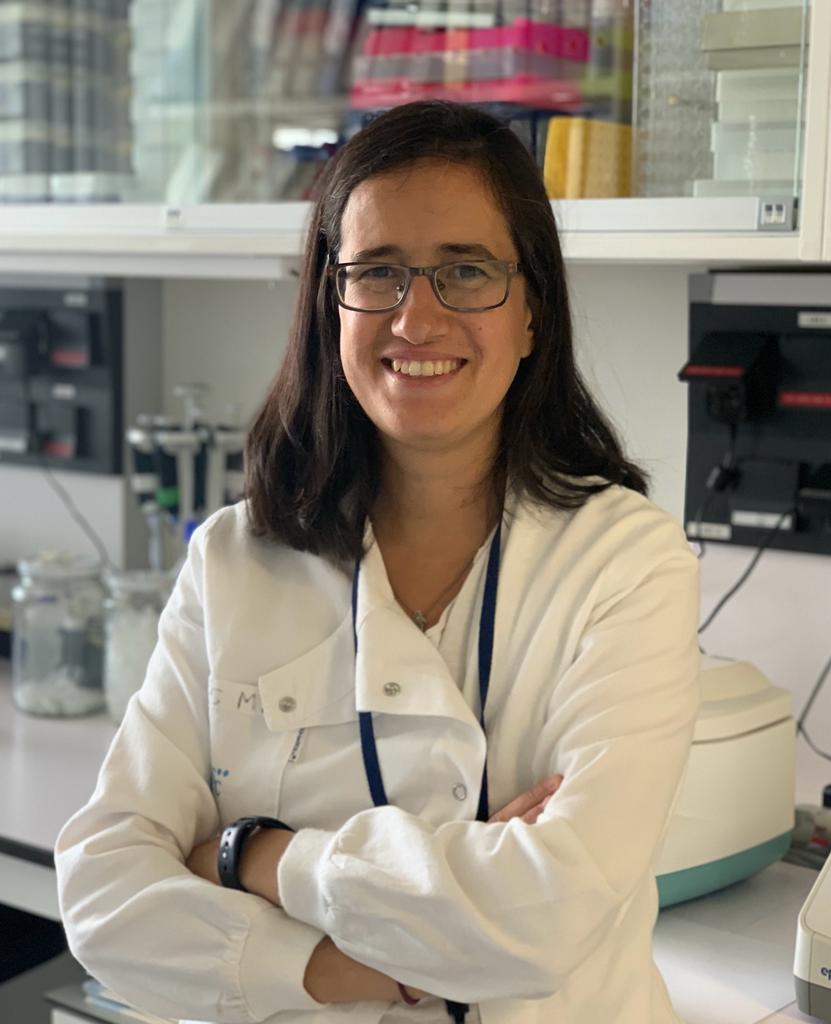
Inés Martín Martín
Tenured Scientist
ORCID code: 0000-0002-0956-7324
Within Medical Entomology, my work focuses on the study of phlebotomine sand flies and culicidae as vectors of leishmaniasis and arbovirosis, respectively. In 2014 I obtained my PhD degree “cum laude” with European mention from the Complutense University of Madrid. My PhD Thesis (developed at the Instituto de Salud Carlos III), focused on the study of phlebotomine sandfly saliva. Subsequently, during my postdoctoral period, I worked on insect gene editing, molecular, biochemical and functional characterization of insect saliva proteins and their role in the infection and transmission of pathogens. Most of my scientific career has been developed at the Laboratory of Malaria and Vector Research, National Institutes of Health (NIH), USA. Since 2021 I am a Senior Scientist at the Laboratory of Medical Entomology (ISCIII).
-

Ricardo Molina Moreno
Doctor Ad Honorem
ORCID code: 0000-0001-6662-173X
Doctor in Biological Sciences from the Complutense University of Madrid (1994). In 1979 he began his professional career at the Instituto de Salud Carlos III (ISCIII), where he became a researcher in 1985. He was in charge of the Medical Entomology Laboratory from that year until his retirement in 2023. He is currently a doctor linked “Ad Honorem”. He has extensive experience in medical entomology, advising the Ministry of Health (CCAES) and Health Departments of Autonomous Communities, on surveillance and control of arthropods transmitting vector-borne diseases. In recent years he has been involved in surveillance programs in Spain for leishmaniasis vectors, especially in the Fuenlabrada outbreak, and for viruses causing Crimean-Congo hemorrhagic fever and dengue. Also in the surveillance of invasive exotic mosquitoes, especially Aedes albopictus, in ports and airports. In his last stage he has been part of the research group within the CIBER (CIBERINFEC; CB21/13/00110).
-

Marcos López de Felipe Escudero
Predoctoral contract FPU
ORCID code: 0000-0002-2919-836X
Graduated in Biology from the Autonomous University of Madrid and Master in Tropical Parasitic Diseases from the University of Valencia. He started his professional career in 2019 in surveillance and management of hematophagous diptera of veterinary-medical interest, as well as other urban pests. In 2024 he began his work at the Instituto de Salud Carlos III (ISCIII) within the framework of the project “Evaluation of the anti-leishmanicidal effect of the bacterium Tc1 and its derivatives in the intravectorial cycle of the parasite” directed by Dr. Inés Martín Martín where he continues after the award of a FPU fellowship. He has extensive experience in medical entomology, especially in surveillance and vector control and taxonomic identification. Her career so far has focused mainly on the study of phlebotomine sand flies, simulids and culicidae, with special attention to citizen science.
-

Eva Pérez Martínez
Clinical and Biomedical Laboratory Technician
ORCID code: 0000-0002-6553-9969
Graduated in 2019 from the Advanced Vocational Training Program in Clinical and Biomedical Laboratory Sciences. I began my professional career in 2020 at Eurofins Megalab laboratories. In 2024, I started working as a freelance professional on an international project focused on the bioecology of phlebotomine sand flies in urban environments across the Mediterranean Basin, conducting fieldwork in Spain, Italy, Greece, and southern France within the framework of citizen science. Since 2025, I have been part of the Medical Entomology Laboratory at the Instituto de Salud Carlos III (ISCIII), where I work as a laboratory technician on the project “Biochemical and functional characterization of salivary proteins from Phlebotomus perniciosus and their role in Leishmania infantum infection (PERNIPROT)”, led by Dr. Inés Martín Martín.


List of staff
Additional Information
The AIDS Immunopathology Unit has been coordinated since 2000 by Dr. José Alcamí, bringing together during its history more than 20 independent researchers who collaboratively study different aspects of HIV infection. During this years, more than 30 visiting researchers and more than 50 national and international students have passed through the unit. From the beginning of the year 2025, Javier García Pérez and Francisco Díez Fuertes assumed the coordination of the AIDS Immunopathology Unit, with the aim of projecting its scientific competitiveness following multidisciplinary approaches and through the maintenance of the current close collaborations, as well as the promotion of participation in new national and international research networks.
Historically, the current members of the unit have focused on different lines of basic research that include the study of antibodies and the development of vaccines against HIV-1, the study of viral entry and tropism of the virus or the study of the host through the genomic characterization of populations with an extreme phenotype. Currently, the activity of our unit in the field of HIV-1 is focused on three main lines:
1. Mecanismos moleculares asociados a la protección de la infección por VIH-1 en pacientes con distrofia muscular de cinturas dominante D2 (LGMDD2).
2. Generación de anticuerpos neutralizantes de uso terapéutico basados en la respuesta neutralizante de amplio espectro frente a virus fundadores.
3. Cribado y caracterización de nuevos fármacos anti-latencia frente al VIH-1.
A partir del año 2020, nuestra unidad se vuelca con la investigación sobre COVID-19, participando y liderando diferentes proyectos de investigación aplicada y clínica. Fruto de esta fuerte implicación en el campo, en la actualidad se mantienen diferentes estudios sobre la caracterización de la respuesta inmune frente a SARS-CoV-2, integrando diferentes técnicas de virología molecular, estrategias de inteligencia epidemiológica y tecnologías de célula única.
We also participate in different research consortiums and networks, such as the Spanish AIDS Research Network or the Center for Biomedical Research in Infectious Diseases Network (CIBER-INFEC), in which we participate as researchers in different lines and work packages within the research programs “Global Health, emerging and re-emerging infections” as well as “HIV/AIDS and sexually transmitted infections”.
Supervised doctoral theses
1. GENOMIC AND FUNCTIONAL ANALYSIS OF HIV-1 PROTECTION PARAMETERS IN PATIENTS WITH SLOW PROGRESSION OF INFECTION.
Student: Erick de la Torre Tarazona.
Supervisors: José Alcamí and Francisco Díez Fuertes.
Academic entity: Universidad Autónoma de Madrid.
Defense date: July 14th, 2020.
2. ANALYSIS OF MIARN EXPRESSION PROFILES AND FUNCTIONAL CHARACTERIZATION IN HIV-POSITIVE INDIVIDUALS WITH DIFFERENT PROGRESSION TO AIDS.
Student: Rubén Ayala Suárez.
Supervisors: José Alcamí and Francisco Díez Fuertes.
Academic entity: Universidad de Alcalá.
Defense date: June 12nd, 2023.
The AIDS Immunopathology Unit has been coordinated since 2000 by Dr. José Alcamí, bringing together during its history more than 20 independent researchers who collaboratively study different aspects of HIV infection. During this years, more than 30 visiting researchers and more than 50 national and international students have passed through the unit. From the beginning of the year 2025, Javier García Pérez and Francisco Díez Fuertes assumed the coordination of the AIDS Immunopathology Unit, with the aim of projecting its scientific competitiveness following multidisciplinary approaches and through the maintenance of the current close collaborations, as well as the promotion of participation in new national and international research networks.
Historically, the current members of the unit have focused on different lines of basic research that include the study of antibodies and the development of vaccines against HIV-1, the study of viral entry and tropism of the virus or the study of the host through the genomic characterization of populations with an extreme phenotype. Currently, the activity of our unit in the field of HIV-1 is focused on three main lines:
1. Mecanismos moleculares asociados a la protección de la infección por VIH-1 en pacientes con distrofia muscular de cinturas dominante D2 (LGMDD2).
2. Generación de anticuerpos neutralizantes de uso terapéutico basados en la respuesta neutralizante de amplio espectro frente a virus fundadores.
3. Cribado y caracterización de nuevos fármacos anti-latencia frente al VIH-1.
A partir del año 2020, nuestra unidad se vuelca con la investigación sobre COVID-19, participando y liderando diferentes proyectos de investigación aplicada y clínica. Fruto de esta fuerte implicación en el campo, en la actualidad se mantienen diferentes estudios sobre la caracterización de la respuesta inmune frente a SARS-CoV-2, integrando diferentes técnicas de virología molecular, estrategias de inteligencia epidemiológica y tecnologías de célula única.
We also participate in different research consortiums and networks, such as the Spanish AIDS Research Network or the Center for Biomedical Research in Infectious Diseases Network (CIBER-INFEC), in which we participate as researchers in different lines and work packages within the research programs “Global Health, emerging and re-emerging infections” as well as “HIV/AIDS and sexually transmitted infections”.
Supervised doctoral theses
1. GENOMIC AND FUNCTIONAL ANALYSIS OF HIV-1 PROTECTION PARAMETERS IN PATIENTS WITH SLOW PROGRESSION OF INFECTION.
Student: Erick de la Torre Tarazona.
Supervisors: José Alcamí and Francisco Díez Fuertes.
Academic entity: Universidad Autónoma de Madrid.
Defense date: July 14th, 2020.
2. ANALYSIS OF MIARN EXPRESSION PROFILES AND FUNCTIONAL CHARACTERIZATION IN HIV-POSITIVE INDIVIDUALS WITH DIFFERENT PROGRESSION TO AIDS.
Student: Rubén Ayala Suárez.
Supervisors: José Alcamí and Francisco Díez Fuertes.
Academic entity: Universidad de Alcalá.
Defense date: June 12nd, 2023.