



We protect your health through science
Investigation
AIDS Immunopathology
Research Lines
Content with Investigacion .

B) Study of the distribution and dynamics of HPV infections in risk groups. There are some particularly vulnerable groups, some of them difficult to access (sex workers, transgender groups, etc.), in which HPV infections deserve special attention. The prevalence of HPV infection is especially high in people living with HIV and/or among men who have sex with men. Knowledge of the distribution and dynamics of infections is especially interesting in these groups, as they may help to improve current algorithms for the prevention of anogenital cancer.
C) Study of infection by HPV genotypes and their relationship with progression to neoplastic processes. The oncogenic capacity of some HPV genotypes and their involvement in the production of anogenital cancer is well known. In addition, there are other oncological processes, such as non-melanoma skin cancer, in which HPV could be implicated. Thus, members of the gamma-24 HPV species have recently been associated with skin cancer. It is to be hoped that the appearance of new genotypes and the performance of more extensive studies may lead to the identification of new associations between HPV and neoplastic processes.
D) Study of co-infections by different HPV genotypes. The presence of co-infections of different HPV genotypes is a very frequent finding, both in skin samples and in different mucous membranes. The great genetic diversity of HPV limits the ability of classical molecular methods to perform a comprehensive detection and study of the genotypes present. However, the use of massive sequencing makes it possible to eliminate some of these biases and to obtain more detailed information on the existing HPV populations, as well as to analyze interactions between the different genotypes.
E) Description of new HPV genotypes/variants. Currently at the International HPV Reference Center (Karolinska Institute, Sweden) more than 220 HPV genotypes are described, distributed in 5 different genera. However, improved molecular detection techniques, as well as the use of massive sequencing, are allowing this number to increase rapidly. The study of new genotypes and variants is essential for the validation and quality control of available diagnostic methods. Similarly, their characterization and the study of possible associations of HPV with pathologies other than those already known is a field of great interest for research.
Research projects
Content with Investigacion .
Título: Impact of vaccination against Human Papillomavirus in Spain: Studye of the distribution of genotypes and its application in surveillance. Principal Investigator: Horacio Gil. Starting/End dates: 2024-2026. Funding Entity: Acción Estratégica de Salud Intramural (AESI) del Instituto de Salud Carlos III. Project Reference: PI23CIII/00006.
Título: Effect of feminizing therapy on immune response in transgender women. Principal Investigator: Victor Manuel Sánchez Merino. Collaborating Investigator: Horacio Gil. Starting/End dates:2025-2027. Funding Entity: Acción Estratégica de Salud Intramural (AESI) del Instituto de Salud Carlos III. Project Reference: PI24CIII/00031.
Publications
The efficacy of the ultraviolet C pathogen inactivation system in the reduction of Babesia divergens in pooled buffy coat platelets
Castro E, González LM, Rubio JM, Ramiro R, Gironés N, Montero E. 2014. The efficacy of the ultraviolet C pathogen inactivation system in the reduction of Babesia divergens in pooled buffy coat platelets. Transfusion. 54(9): 2207-2216.
PUBMED DOIClinical, microbiological, and molecular characterization of pediatric invasive infections by Streptococcus pyogenes in Spain in a context of global outbreak
Ramírez de Arellano E, Saavedra-Lozano J, Villalón P, Jové-Blanco A, Grandioso D, Sotelo J, Gamell A, González-López JJ, Cervantes E, Gónzalez MJ, Rello-Saltor V, Esteva C, Sanz-Santaeufemia F, Yagüe G, Manzanares Á, Brañas P, Ruiz de Gopegui E, Carrasco-Colom J, García F, Cercenado E, Mellado I, Del Castillo E, Pérez-Vazquez M, Oteo-Iglesias J, Calvo C; Spanish PedGAS-Net/CIBERINFEC GAS Study Group. Clinical, microbiological, and molecular characterization of pediatric invasive infections by Streptococcus pyogenes in Spain in a context of global outbreak. mSphere. 2024 Mar 26;9(3):e0072923
PUBMED DOIAn alternative host model of a mixed fungal infection by azole susceptible and resistant Aspergillus spp strains
15. Alcazar-Fuoli L, Buitrago M, Gomez-Lopez A, Mellado E. An alternative host model of a mixed fungal infection by azole susceptible and resistant Aspergillus spp strains. Virulence. 2015;6(4):376-84. doi: 10.1080/21505594.2015.1025192. PMID: 26065322.
PUBMED DOIEffect of pneumococcal conjugate vaccines and SARS-CoV-2 on antimicrobial resistance and the emergence of Streptococcus pneumoniae serotypes with reduced susceptibility in Spain, 2004-20: a national surveillance study
Sempere J, Llamosí M, López Ruiz B, Del Río I, Pérez-García C, Lago D, Gimeno M, Coronel P, González-Camacho F, Domenech M, Yuste J. Effect of pneumococcal conjugate vaccines and SARS-CoV-2 on antimicrobial resistance and the emergence of Streptococcus pneumoniae serotypes with reduced susceptibility in Spain, 2004-20: a national surveillance study. Lancet Microbe. 2022 Oct;3(10):e744-e752.
PUBMED DOIContent with Investigacion .
-
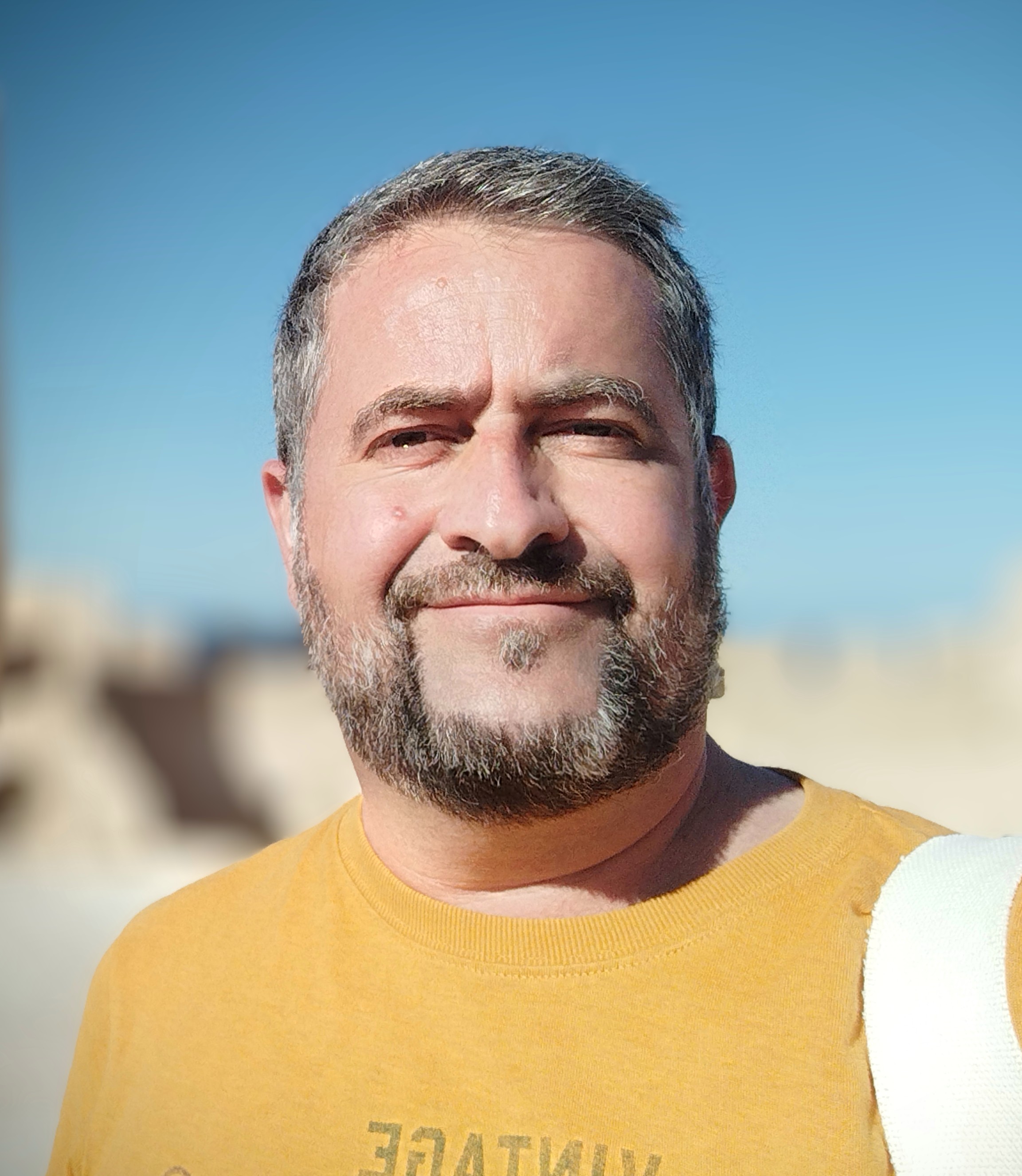
Horacio Gil Gil
Research Scientist
ORCID code: 0000-0002-7114-6686
Degree in Veterinary Medicine in 1995 and PhD in Veterinary Medicine in 2002 from the University of Zaragoza. He did his PhD thesis at NEIKER Tecknalia (Derio, Vizcaya) and the National Center for Microbiology of Instituto de Salud Carlos III (CNM-ISCIII, Majadahonda, Madrid) on the biological cycle of Lyme disease in the Basque Country. After that, he developed his postdoctoral training in different aspects of the pathogenesis of tularemia at the Center for Infectious Diseases, Stony Brook University, New York (USA) for 3 years. In December 2005, he joined the Reference and Research Laboratory in Special Pathogens of the CNM-ISCIII where he developed diagnostic, reference and research activities, in Bartonella, Leptospira and pathogens of interest in bioterrorism. Between 2014-2016 he participated in the European Program for the Training of Microbiologists in Public Health (EUPHEM), organized by the European Centre for Disease Prevention and Control. During this program, he participated in an international mission for the investigation of a cholera outbreak in Ghana, proposed by the Bernhard Nocht Institute for Tropical Diseases in Hamburg (Germany). In December 2016, he worked as a laboratory consultant for the World Health Organization at their office in Phnom Penh (Cambodia). Subsequently, he worked one year with Médecins Sans Frontières as director and quality manager of the TB laboratory in Nukus (Uzbekistan).
In 2019, he joined the HIV Variability and Biology Unit at CNM-ISCIII, where he developed different reference and research activities, including his contribution to the molecular epidemiological surveillance of HIV-1 in Spain and the study of HIV-1 antiretroviral resistance. Since September 2022 he has been leading the Human Papillomavirus Unit at the CNM-ISCIII. -
Alicia Inés García Señán
Predoctoral Student UNED
Degree in Pharmacy in 2013 from the Complutense University of Madrid. She completed specialized health training in Microbiology and Parasitology at the Complejo Asistencial Universitario de Salamanca (2014-2018). During this period he studied a master's degree in Tropical Diseases at the University of Salamanca (2016). She has developed her professional activity as a clinical microbiologist at the Hospital de Santa Bárbara (Soria) (2018), Hospital Universitario Vall d'Hebrón (Barcelona) (2019-2022), and Hospital Central de la Defensa (Gómez Ulla) C.S.V.E, since 2022. In September 2024 she has started PhD studies at the Human Papillomavirus Unit of the CNM-ISCIII.
-
Manuela Rodríguez Vargas
Técnico de Laboratorio


List of staff
Additional Information
The AIDS Immunopathology Unit has been coordinated since 2000 by Dr. José Alcamí, bringing together during its history more than 20 independent researchers who collaboratively study different aspects of HIV infection. During this years, more than 30 visiting researchers and more than 50 national and international students have passed through the unit. From the beginning of the year 2025, Javier García Pérez and Francisco Díez Fuertes assumed the coordination of the AIDS Immunopathology Unit, with the aim of projecting its scientific competitiveness following multidisciplinary approaches and through the maintenance of the current close collaborations, as well as the promotion of participation in new national and international research networks.
Historically, the current members of the unit have focused on different lines of basic research that include the study of antibodies and the development of vaccines against HIV-1, the study of viral entry and tropism of the virus or the study of the host through the genomic characterization of populations with an extreme phenotype. Currently, the activity of our unit in the field of HIV-1 is focused on three main lines:
1. Mecanismos moleculares asociados a la protección de la infección por VIH-1 en pacientes con distrofia muscular de cinturas dominante D2 (LGMDD2).
2. Generación de anticuerpos neutralizantes de uso terapéutico basados en la respuesta neutralizante de amplio espectro frente a virus fundadores.
3. Cribado y caracterización de nuevos fármacos anti-latencia frente al VIH-1.
A partir del año 2020, nuestra unidad se vuelca con la investigación sobre COVID-19, participando y liderando diferentes proyectos de investigación aplicada y clínica. Fruto de esta fuerte implicación en el campo, en la actualidad se mantienen diferentes estudios sobre la caracterización de la respuesta inmune frente a SARS-CoV-2, integrando diferentes técnicas de virología molecular, estrategias de inteligencia epidemiológica y tecnologías de célula única.
We also participate in different research consortiums and networks, such as the Spanish AIDS Research Network or the Center for Biomedical Research in Infectious Diseases Network (CIBER-INFEC), in which we participate as researchers in different lines and work packages within the research programs “Global Health, emerging and re-emerging infections” as well as “HIV/AIDS and sexually transmitted infections”.
Supervised doctoral theses
1. GENOMIC AND FUNCTIONAL ANALYSIS OF HIV-1 PROTECTION PARAMETERS IN PATIENTS WITH SLOW PROGRESSION OF INFECTION.
Student: Erick de la Torre Tarazona.
Supervisors: José Alcamí and Francisco Díez Fuertes.
Academic entity: Universidad Autónoma de Madrid.
Defense date: July 14th, 2020.
2. ANALYSIS OF MIARN EXPRESSION PROFILES AND FUNCTIONAL CHARACTERIZATION IN HIV-POSITIVE INDIVIDUALS WITH DIFFERENT PROGRESSION TO AIDS.
Student: Rubén Ayala Suárez.
Supervisors: José Alcamí and Francisco Díez Fuertes.
Academic entity: Universidad de Alcalá.
Defense date: June 12nd, 2023.
The AIDS Immunopathology Unit has been coordinated since 2000 by Dr. José Alcamí, bringing together during its history more than 20 independent researchers who collaboratively study different aspects of HIV infection. During this years, more than 30 visiting researchers and more than 50 national and international students have passed through the unit. From the beginning of the year 2025, Javier García Pérez and Francisco Díez Fuertes assumed the coordination of the AIDS Immunopathology Unit, with the aim of projecting its scientific competitiveness following multidisciplinary approaches and through the maintenance of the current close collaborations, as well as the promotion of participation in new national and international research networks.
Historically, the current members of the unit have focused on different lines of basic research that include the study of antibodies and the development of vaccines against HIV-1, the study of viral entry and tropism of the virus or the study of the host through the genomic characterization of populations with an extreme phenotype. Currently, the activity of our unit in the field of HIV-1 is focused on three main lines:
1. Mecanismos moleculares asociados a la protección de la infección por VIH-1 en pacientes con distrofia muscular de cinturas dominante D2 (LGMDD2).
2. Generación de anticuerpos neutralizantes de uso terapéutico basados en la respuesta neutralizante de amplio espectro frente a virus fundadores.
3. Cribado y caracterización de nuevos fármacos anti-latencia frente al VIH-1.
A partir del año 2020, nuestra unidad se vuelca con la investigación sobre COVID-19, participando y liderando diferentes proyectos de investigación aplicada y clínica. Fruto de esta fuerte implicación en el campo, en la actualidad se mantienen diferentes estudios sobre la caracterización de la respuesta inmune frente a SARS-CoV-2, integrando diferentes técnicas de virología molecular, estrategias de inteligencia epidemiológica y tecnologías de célula única.
We also participate in different research consortiums and networks, such as the Spanish AIDS Research Network or the Center for Biomedical Research in Infectious Diseases Network (CIBER-INFEC), in which we participate as researchers in different lines and work packages within the research programs “Global Health, emerging and re-emerging infections” as well as “HIV/AIDS and sexually transmitted infections”.
Supervised doctoral theses
1. GENOMIC AND FUNCTIONAL ANALYSIS OF HIV-1 PROTECTION PARAMETERS IN PATIENTS WITH SLOW PROGRESSION OF INFECTION.
Student: Erick de la Torre Tarazona.
Supervisors: José Alcamí and Francisco Díez Fuertes.
Academic entity: Universidad Autónoma de Madrid.
Defense date: July 14th, 2020.
2. ANALYSIS OF MIARN EXPRESSION PROFILES AND FUNCTIONAL CHARACTERIZATION IN HIV-POSITIVE INDIVIDUALS WITH DIFFERENT PROGRESSION TO AIDS.
Student: Rubén Ayala Suárez.
Supervisors: José Alcamí and Francisco Díez Fuertes.
Academic entity: Universidad de Alcalá.
Defense date: June 12nd, 2023.