



We protect your health through science
Investigation
Pneumococcus
Research Lines
Content with Investigacion .
Inmunología Microbiana e Inmunogenética
1. Análisis de la respuesta innata de mamíferos en la infección por Leishmania.
2. Caracterización inmunoproteómica en :
a. Streptococcus suis
b. Lactococcus garviae
c. Mycobacterium spp
3. Desarrollo de inmunoensayos analíticos basados en anticuerpos monoclonales (AcM) para detectar y cuantificar antígenos de origen animal, vegetal y microbiano.
4. Desarrollo y caracterización de AcM frente a los componentes del sistema del Complemento. Aplicación diagnóstica.
5. Desarrollo de reactivos de referencia y diseño de inmunoensayos para la evaluación cualitativa y cuantitativa de toxinas clostridiales.
6. Oferta tecnológica de producción de AcM y policlonales frente a substancias de interés industrial y biomédico.
El grupo está interesado en el estudio de la respuesta inmune desde una perspectiva multidisciplinar que incluye aproximaciones bioquímicas, biotecnológicas, genómicas, inmunoinformáticas y proteómicas, que junto con el uso adicional de modelos in vivo se encaminan al diseño de estrategias terapéuticas frente a diversas enfermedades crónicas, infecciosas y raras que poseen un claro componente inmunológico en su etiología.
Las principales líneas de investigación que está desarrollando el grupo en la actualidad son:
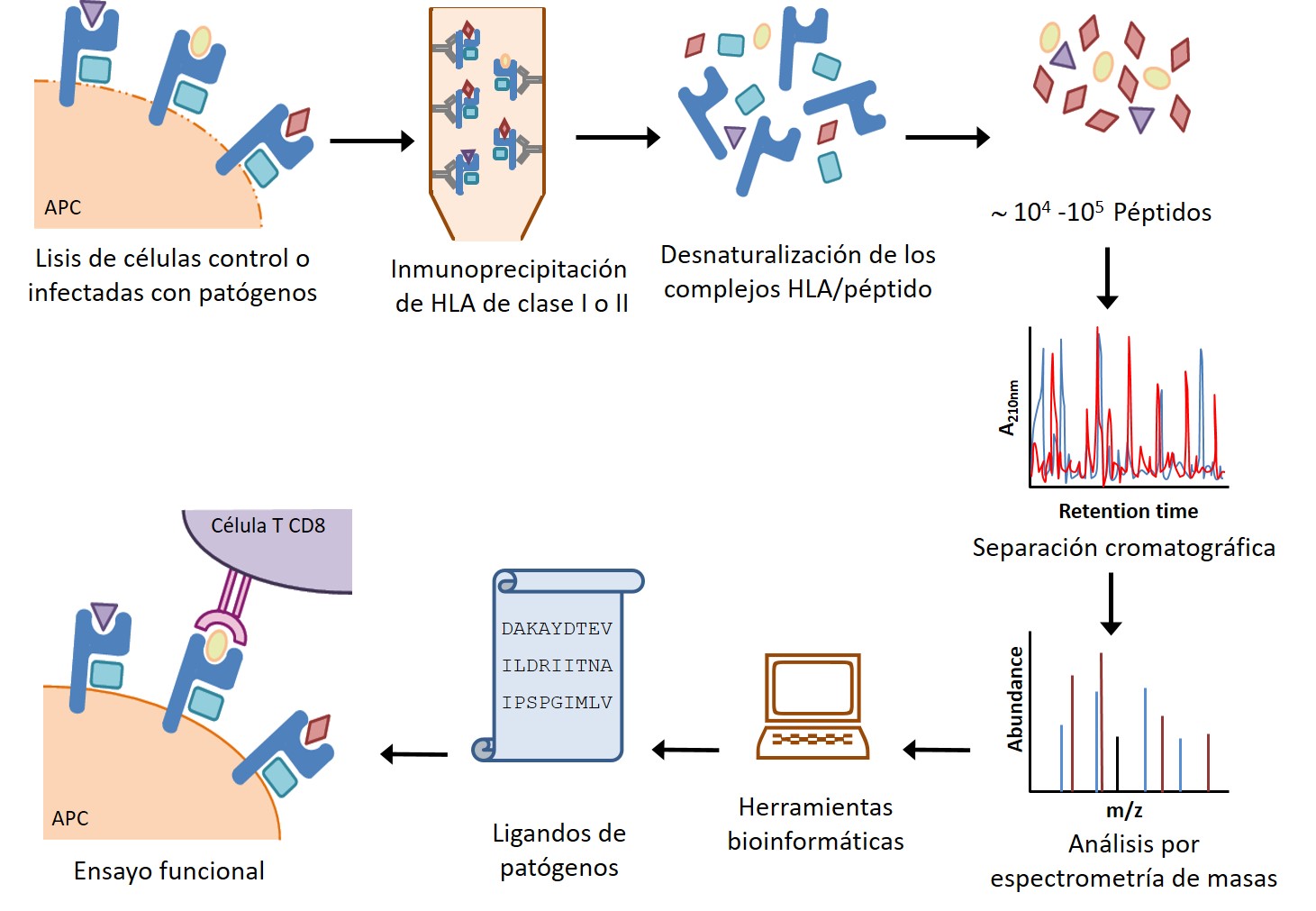
- * Análisis de las respuestas inmunes celulares frente a patógenos virales y bacterianos, mediante técnicas inmunoproteómicas, modelos in vivo con animales transgénicos y muestras humanas.
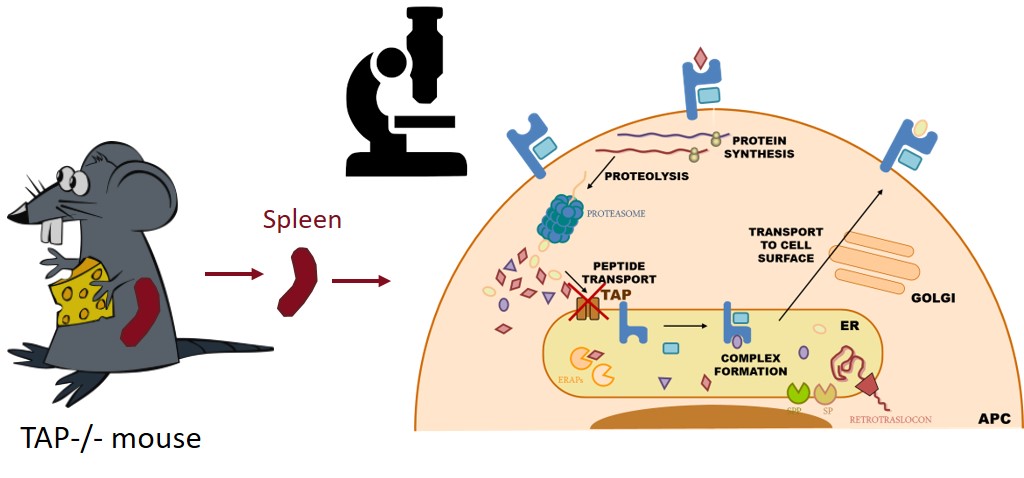
- * Caracterización de CD69: regulación génica, función reguladora inmune en homeostasis e infección y su uso como diana terapéutica, edición génica por CRISPR en modelos animales y celulares, etc.

* Desarrollo de herramientas inmunoinformáticas que permitan analizar la respuesta inmune celular frente a diversos virus de interés sanitario y determinar la eficacia de sus vacunas a nivel de población mundial.

* Estudio de las respuestas inmunes celulares frente a enfermedades raras (artritis reactiva y síndrome del linfocito desnudo) y crónicas (espondiloartropatías).
* Inclusión de componentes del sistema inmune en la fabricación de tejidos humanos, especialmente piel, para uso clínico, farmacéutico y cosmético.
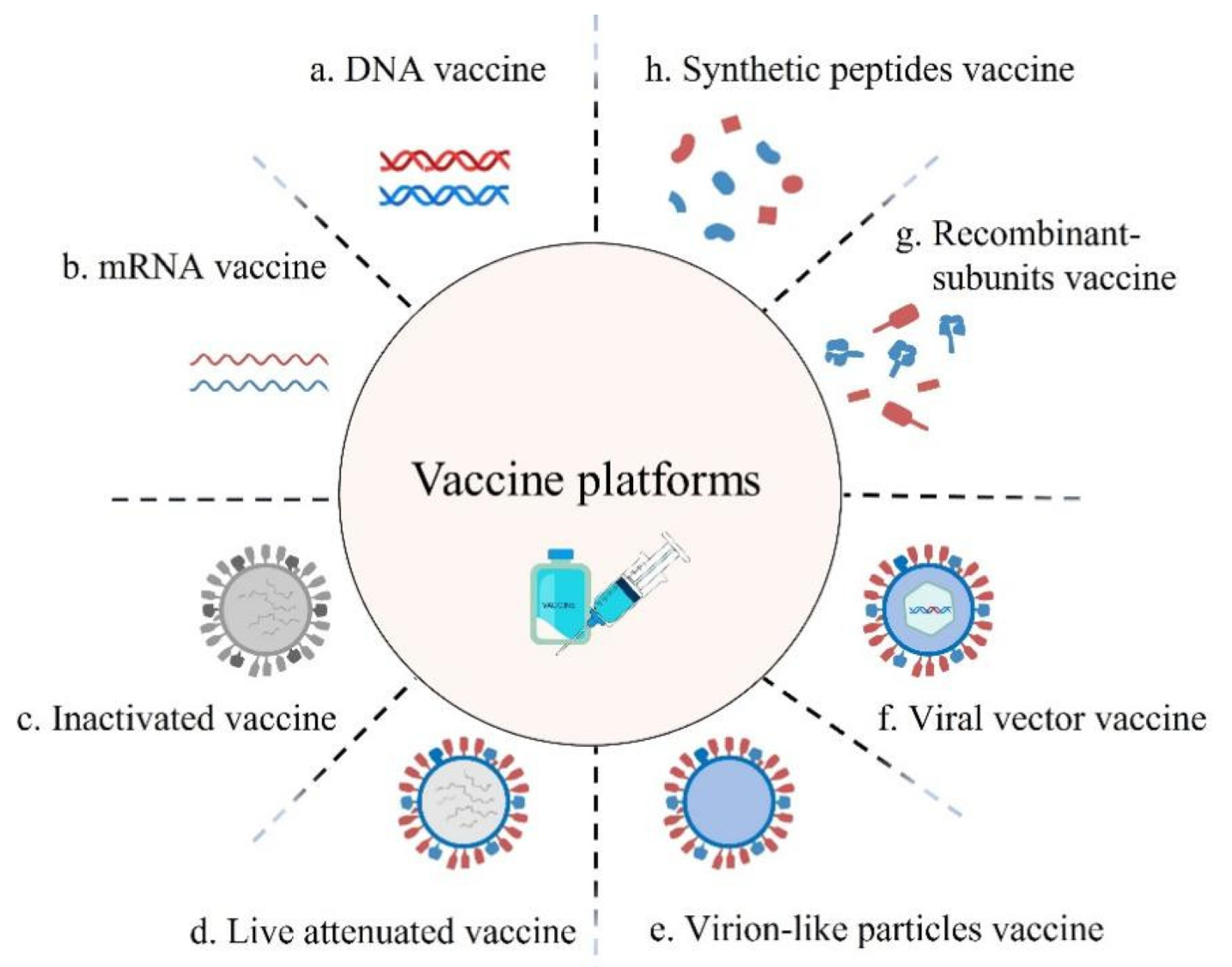
- * Generación de virus recombinantes como vectores vacunales.
Research projects
Content with Investigacion .
Los proyectos del grupo de los últimos años son los siguientes:
Proyecto “La interrelación de CD69 y el procesamiento antigénico en enfermedades infecciosas y autoinmunes" financiado por la Acción Estratégica en Salud del Ministerio de Ciencia, Innovación y Universidades. Año: 2023-2025.
Proyecto “Interacciones génicas y proteicas de CD69 y sus regiones génicas reguladoras con moléculas" financiado por la AEI. Año: 2022-2024.

Proyecto “Nuevas tecnologías de fabricación y optimización de tejidos: la piel como sistema modelo” financiado por el Programa de Actividades de I+D entre grupos de investigación de la Comunidad de Madrid en tecnologías 2018. Año: 2020-2023. Proyecto Coordinado por el Dr. Pablo Acedo de la Universidad Carlos III.
Proyecto “Estudio de CD69 como diana para mejorar el tratamiento de la leucopania y la movilización de células T de memoria de médula ósea" financiado por la Acción Estratégica en Salud del Ministerio de Ciencia, Innovación y Universidades. Año:2020-2024.
Proyecto “Diseño racional de una vacuna contra el virus respiratorio sincitial humano” financiado por la Acción Estratégica en Salud del Ministerio de Ciencia, Innovación y Universidades. Año: 2019-2022
Proyecto “Función de CD69 y sus elementos reguladores" financiado por la Acción Estratégica en Salud del Ministerio de Ciencia, Innovación y Universidades. Año: 2017-2022.
Proyecto “Diseño de vacunas recombinantes poliepitópicas para generar respuestas CD8+ contra virus emergentes” financiado por el Plan Nacional de I+D+i del Ministerio de Economía y Competitividad. Año: 2015-2017.
Proyecto “Análisis de los efectos de CD69 dependientes de S1P1 en modelos de infección e inflamación y estudio de su regulación” financiado por el FIS. Año: 2014-2017.
Proyecto “ADELVAC: Adenovirus con delecciones epitópicas para vacunación” financiado por el programa INNPACTO del Ministerio de Economía y Competitividad. Centro Nacional de Microbiología, Instituto de Salud Carlos III. Año: 2012-2014. Proyecto Coordinado por el Dr. Manel Cascallo de VCN BIOSCIENCES SL.
Proyecto “Diseño de vacunas multiepitópicas recombinantes para aumentar la respuesta inmune celular contra el VRSH” financiado por el Plan Nacional de I+D+i del Ministerio de Ciencia e Innovación. Año: 2012-2014.
Publications
Epidemic history of hepatitis C virus genotypes and subtypes in Portugal.
Palladino C, Ezeonwumelu IJ, Marcelino R, Briz V, Moranguinho I, Serejo F, Velosa JF, Tato Marinho R, Borrego P, Taveira N. 2018. Epidemic history of hepatitis C virus genotypes and subtypes in Portugal. Sci Rep. 2018; 8:12266. (A; FI= 4.12; Q1 Multidisciplinary Sciences; DOI:10.1038/s41598-018-30528-0).
PUBMED DOILow frequency of NS5A relevant resistance-associated substitutions to Elbasvir among hepatitis C virus genotype 1a in Spain: a cross-sectional study.
Palladino C, Sanchez-Carrillo M, Mate-Cano I, Vazquez-Morón S, Jiménez-Sousa MA, Gutiérrez-Rivas M, Resino S, Briz V. Low frequency of NS5A relevant resistance-associated substitutions to Elbasvir among hepatitis C virus genotype 1a in Spain: a cross-sectional study. Sci Rep. 2017; 7(1):2892. (A; FI= 4.12; Q1 Multidisciplinary Sciences).
PUBMED DOIPlasma miRNA profile at COVID-19 onset predicts severity status and mortality.
Fernández-Pato A; Virseda-Berdices A, Ryan P; Martínez-González O, Peréz-García F, Resino S, Martin-Vicente M, Valle-Millares D, Brochado-Kith O; Blancas R; Ceballos FC; Bartolome-Sánchez S; Vidal-Alcántara EJ; Alonso-Menchén D, Blanca-López N; Ramirez Martinez-Acitores I, Rava M, Jiménez-Sousa MA (‡ *), Amanda Fernández-Rodríguez (‡ *). Plasma miRNA profile at COVID-19 onset predicts severity status and mortality. Emerg Microbes Infect 2022; 11(1):676-688 (A; FI= 19.57; D1, Infectious Diseases; JCR 2021).
PUBMED DOIMild profile improvement of immune biomarkers in HIV/HCV-coinfected patients who removed hepatitis C after HCV treatment: a prospective study.
García-Broncano P, Medrano LM, Berenguer J, Brochado O, González-García J, Jiménez-Sousa MA, Quereda C, Sanz J, Téllez MJ, Díaz L, Jiménez JL, Muñoz-Fernández MA, Resino S (*). Mild profile improvement of immune biomarkers in HIV/HCV-coinfected patients who removed hepatitis C after HCV treatment: a prospective study. J Infect 2020; 80(1):99-110. (A; FI= 6.07; Q1, Infectious Diseases; JCR 2020).
PUBMED DOIAdditional Information
The Pneumococcus Unit is in charge of two very important aspects related to pneumococcus infections, such as epidemiological surveillance and basic and translational research of diseases caused by this pathogen. Our unit contributes to the epidemiological surveillance of invasive pneumococcal disease (IPD), characterizing the serotypes and genotypes of invasive pneumococci circulating in Spain, as well as the evolution of antibiotic resistance in this pathogen.
Identification of culture-negative samples (CSF and pleural fluids) is performed using real-time PCR. Serotyping is performed using the Dot-blot and PCR-sequencing technique. Genotyping for the study of outbreaks and characterization of clones associated with hypervirulent and/or multiresistant strains is performed using the MLST technique and the analysis of complete genomes by massive sequencing. In addition, antibiotic susceptibility is determined following the EUCAST criteria.
Our unit belongs to the IBD-labnet network of the ECDC and annually notifies all cases of IPD to the ECDC and also to the IRIS (Invasive Respiratory Infection Surveillance) network. At the level of basic and translational research, our unit is responsible for studying and characterizing different molecular mechanisms of pathogenicity and protection related to pneumococcal infection. Among the main objectives are the molecular characterization of virulence factors, the study of different vaccine candidate proteins and determining the possible impact that tobacco smoke and the formation of biofilms have on the colonization of the respiratory tract.
The Pneumococcus Unit is in charge of two very important aspects related to pneumococcus infections, such as epidemiological surveillance and basic and translational research of diseases caused by this pathogen. Our unit contributes to the epidemiological surveillance of invasive pneumococcal disease (IPD), characterizing the serotypes and genotypes of invasive pneumococci circulating in Spain, as well as the evolution of antibiotic resistance in this pathogen.
Identification of culture-negative samples (CSF and pleural fluids) is performed using real-time PCR. Serotyping is performed using the Dot-blot and PCR-sequencing technique. Genotyping for the study of outbreaks and characterization of clones associated with hypervirulent and/or multiresistant strains is performed using the MLST technique and the analysis of complete genomes by massive sequencing. In addition, antibiotic susceptibility is determined following the EUCAST criteria.
Our unit belongs to the IBD-labnet network of the ECDC and annually notifies all cases of IPD to the ECDC and also to the IRIS (Invasive Respiratory Infection Surveillance) network. At the level of basic and translational research, our unit is responsible for studying and characterizing different molecular mechanisms of pathogenicity and protection related to pneumococcal infection. Among the main objectives are the molecular characterization of virulence factors, the study of different vaccine candidate proteins and determining the possible impact that tobacco smoke and the formation of biofilms have on the colonization of the respiratory tract.