



We protect your health through science

Investigación
Special Pathogens
Líneas de investigación
Content with Investigacion .
Inmunología Microbiana e Inmunogenética
1. Análisis de la respuesta innata de mamíferos en la infección por Leishmania.
2. Caracterización inmunoproteómica en :
a. Streptococcus suis
b. Lactococcus garviae
c. Mycobacterium spp
3. Desarrollo de inmunoensayos analíticos basados en anticuerpos monoclonales (AcM) para detectar y cuantificar antígenos de origen animal, vegetal y microbiano.
4. Desarrollo y caracterización de AcM frente a los componentes del sistema del Complemento. Aplicación diagnóstica.
5. Desarrollo de reactivos de referencia y diseño de inmunoensayos para la evaluación cualitativa y cuantitativa de toxinas clostridiales.
6. Oferta tecnológica de producción de AcM y policlonales frente a substancias de interés industrial y biomédico.
El grupo está interesado en el estudio de la respuesta inmune desde una perspectiva multidisciplinar que incluye aproximaciones bioquímicas, biotecnológicas, genómicas, inmunoinformáticas y proteómicas, que junto con el uso adicional de modelos in vivo se encaminan al diseño de estrategias terapéuticas frente a diversas enfermedades crónicas, infecciosas y raras que poseen un claro componente inmunológico en su etiología.
Las principales líneas de investigación que está desarrollando el grupo en la actualidad son:
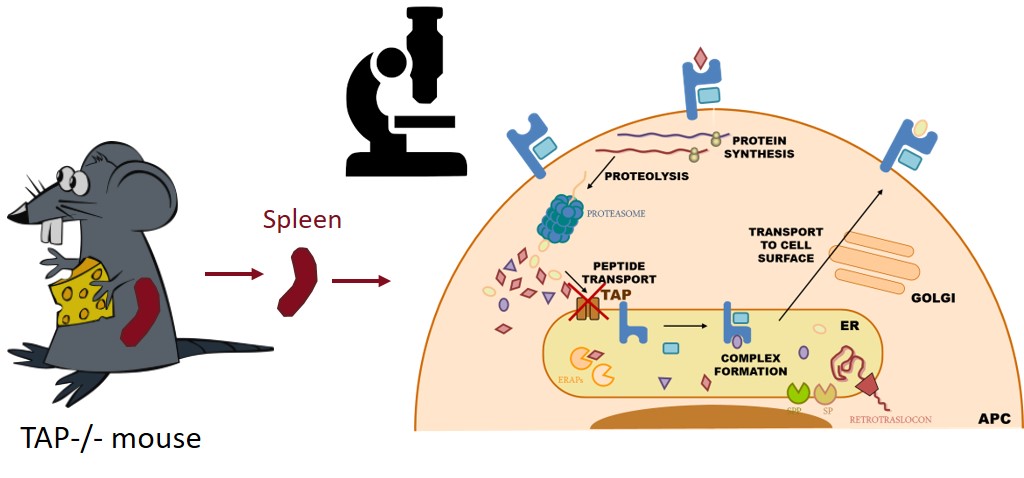
- * Análisis de las respuestas inmunes celulares frente a patógenos virales y bacterianos, mediante técnicas inmunoproteómicas, modelos in vivo con animales transgénicos y muestras humanas.
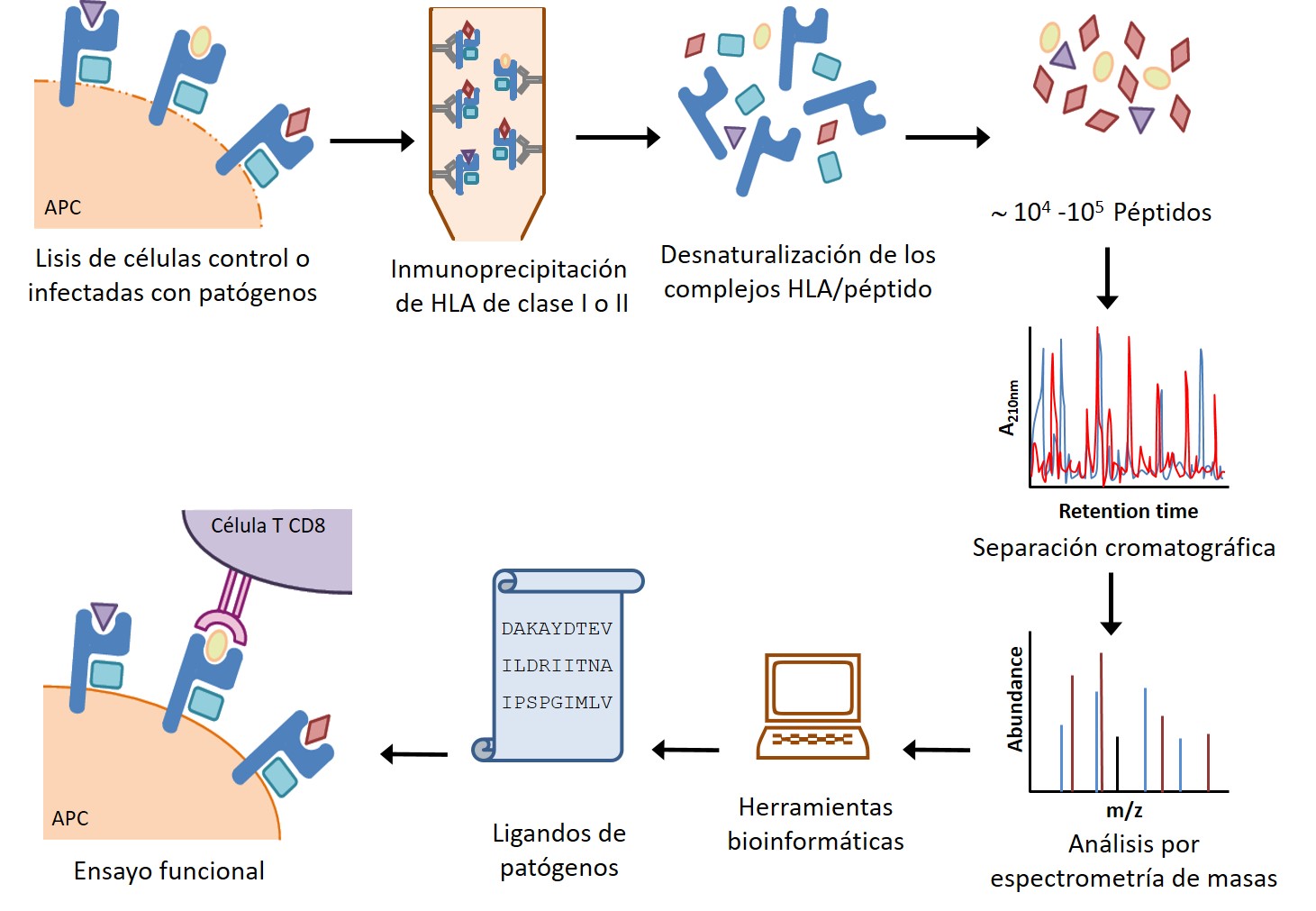
- * Caracterización de CD69: regulación génica, función reguladora inmune en homeostasis e infección y su uso como diana terapéutica, edición génica por CRISPR en modelos animales y celulares, etc.

* Desarrollo de herramientas inmunoinformáticas que permitan analizar la respuesta inmune celular frente a diversos virus de interés sanitario y determinar la eficacia de sus vacunas a nivel de población mundial.

* Estudio de las respuestas inmunes celulares frente a enfermedades raras (artritis reactiva y síndrome del linfocito desnudo) y crónicas (espondiloartropatías).
* Inclusión de componentes del sistema inmune en la fabricación de tejidos humanos, especialmente piel, para uso clínico, farmacéutico y cosmético.
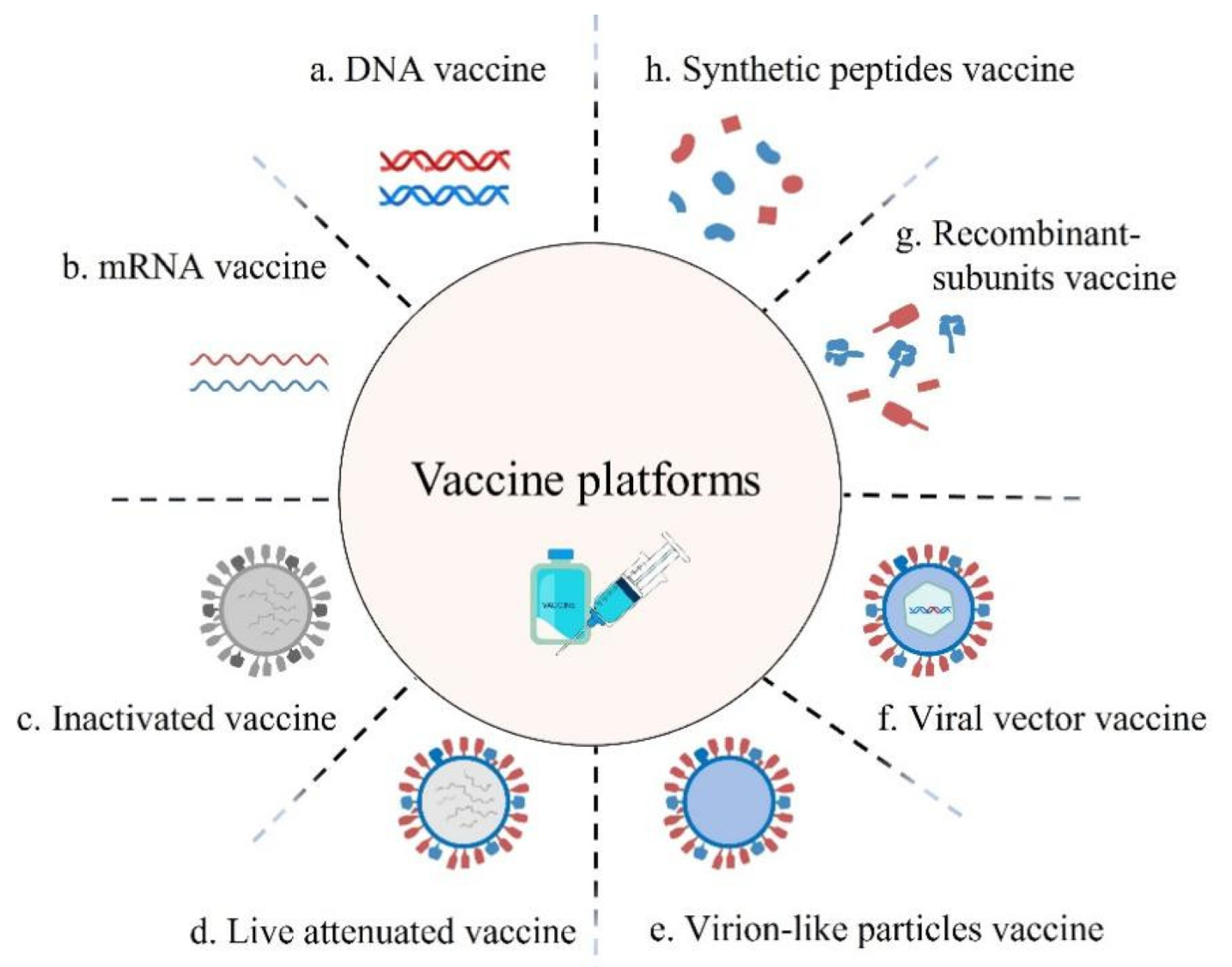
- * Generación de virus recombinantes como vectores vacunales.
Publicaciones destacadas
Hypervirulent Klebsiella pneumoniae: Epidemiology outside Asian countries, antibiotic resistance association, methods of detection and clinical management
12. Hypervirulent Klebsiella pneumoniae: Epidemiology outside Asian countries, antibiotic resistance association, methods of detection and clinical management. Autores: García-Cobos S, Oteo-Iglesias J, Pérez-Vázquez M. Revista: Enferm Infecc Microbiol Clin (Engl Ed). 2025 Feb;43(2):102-109.
PUBMED DOIInformación adicional
1.- The study of non-gastrointestinal zoonoses, some of them transmitted by vectors and/or emerging, aims to:
- The development and validation of new diagnostic and genotyping techniques represent important scientific-technical support to the National Health System, acting as a reference laboratory.
- Research on the Molecular Epidemiology of Coxiella burnetii studies the circulating genotypes and their association with the different clinical presentations of Q fever.
- Discovery of new pathogens: especially relevant in the case of Francisella with the description of F. hispaniensis, as well as taxonomically unknown variants of Bartonella, Borrelia and Rickettsia, found in reservoirs, vectors and clinical samples.
- Surveillance in nature analyzes kinetics, transmission cycles and reservoirs.
• Genotyping techniques allow traceability studies to be carried out in the case of natural outbreaks or intentional release. • Method accreditation: ISO15189 standard (clinical samples), ISO17025 (environmental).
2.- The study of bacteria with potential use in bioterrorism through participation in European projects (Joint Actions: QUANDHIP, EMERGE, SHARP) allows us to respond appropriately to possible health alert situations. An important methodological development has been carried out for the detection of these agents and a Rapid Response System has been implemented.