



We protect your health through science
Investigation
Immune Presentation and Regulation
Research Lines
Content with Investigacion .
The Laboratory of Medical Entomology (LME) develops an intense reference and research activity, focused on the field of disease vectors of interest in Public Health. The LME has an insectary where biological cycles of insect vectors are currently maintained, allowing the performance, among others, of vector competence and xenodiagnostic studies. The LME supports the national health system by offering techniques available in the portfolio of services for the taxonomic identification of arthropods of health interest. In addition, it performs entomological surveillance of outbreaks, supporting Surveillance Plans. In particular, the LME plays a leading role in the Entomological Surveillance Plan for Leishmaniasis in the Community of Madrid. On the other hand, the LME offers scientific advice to the CCAES (Centro de Coordinación de Alertas y Emergencias Sanitarias, Ministerio de Sanidad, Consumo y Bienestar Social), and participates in the elaboration of reports and rapid risk assessments.

The main research lines of the Laboratory of Medical Entomology are:
1. Maintenance of insect vector colonies: phlebotomine sand flies (Phlebotomus perniciosus, Phlebotomus papatasi and Phlebotomus argentipes, vectors of Leishmania infantum, Leishmania major and Leishmania donovani, respectively), Culex and Aedes mosquitoes (vectors of various arboviruses) and Rhodnius prolixus (vector of Trypanosoma cruzi).
2. Biology of disease vectors of public health interest: biology, vector competence, experimental infections. The CNM has a BSL3 safety laboratory to carry out vector competence studies with culicidae and phlebotomine sand flies.
3. Entomological sampling, infectivity of potential reservoirs of leishmaniasis.
4. Insecticides and repellents: evaluation of their efficacy.
5. Characterization of saliva proteins of hematophagous Diptera: genomics, proteomics, biochemistry and gene editing. Study of salivary proteins as markers of bite exposure, virulence factors and/or vaccines.
6. Xenodiagnosis of leishmaniasis.
7. Molecular biology and taxonomy of phlebotomine sand flies. Molecular detection of Leishmania infantum in phlebotomine sand flies and characterization of Leishmania spp. Molecular identification of blood ingested by vectors.
Research projects
Content with Investigacion .
CURRENT PROJECTS
Project title: "Biochemical and functional characterisation of salivary proteins of Phlebotomus perniciosus and their role in infection by Leishmania infantum (PERNIPROT)"Reference: Project PID2023-147773NA-I00 funded by MICIU/AEI/10.13039/501100011033 and by FEDER, EU.
Start date: 01/09/2024
End date: 31/08/2028
Funding: €175,000
Principal investigator: Inés Elena Martín Martín.
Funding agency: Agencia Estatal de Investigación (Proyecto de Generación del Conocimiento 2023).

Project title: "Surveillance of leishmaniasis in the Community of Madrid from a “One Health” perspective: study of the infectious capacity of patients with visceral leishmaniasis and their role as reservoirs"
Reference: PI24CIII/00026
Start date: 01/01/2025
End date: 31/12/2027
Funding: €60,000.00
Principal investigator: Inés Elena Martín Martín.
Co-principal investigator: Maribel Jiménez Alonso
Funding agency: Instituto de Salud Carlos III (Strategic Action in Intramural Health, AESI).
Service Contract: "Analysis for the surveillance of the vector and wild reservoirs that transmit leishmaniasis in the Community of Madrid"
Reference: file no. 17/2024 (A/SER-008455/2024).
Start date: 26/06/2024
End date: 10/12/25, extendable to 2026
Total funding: €171,084
Principal Investigator: Maribel Jiménez Alonso
Funding agency: Service Contract between the Instituto de Salud Carlos III and the Directorate-General for Public Health, Regional Ministry of Health of the Community of Madrid
Project Title: CIBERINFEC Research Group (CB21/13/00110)
Start date: 2021
End date: currently active
Principal Investigator: Dr. Mª Paz Sánchez-Seco, Arbovirus and Imported Viral Diseases Unit.
Researchers from the Medical Entomology Laboratory: Maribel Jiménez (member), Inés Martín Martín (collaborator).
Funding: €108,134. File number: CB21/13/00110.
Funding agency: Consortium Centre for Biomedical Research in NETWORK (CIBER)
PAST PROJECTS
Service Contract: "Evaluation of the anti-leishmania effect of the bacteria Tc1 and its derivatives in the intravectorial cycle"
Reference: ISCIII-06896
Start date: 15/12/2022
End date: 15/04/2025
Funding: €71,265.67
Principal Investigator: Inés Elena Martín Martín
Funding agency: Service Contract between the company GlaxoSmithKline R&D (GSK) and the Instituto de Salud Carlos III
Service Contract: "Analysis for the surveillance of the vector and wild reservoirs that transmit leishmaniasis in the Community of Madrid"
Reference: 59/2020 (A/SER-040739/2020)
Start date: 10/12/2021
End date: 10/12/2023.
Funding: €42,612.17 per year Total 2021-2023: €127,836.51
Principal Investigators: Ricardo Molina /Maribel Jiménez Alonso
Funding agency: Service contract between the Instituto de Salud Carlos III (ISCIII) and the Directorate-General for Public Health, Regional Ministry of Health of the Community of Madrid
Project title: "Research and Integrated Surveillance of Emerging Arboviruses West Nile, Toscana and Dengue in some areas of Spain"
Reference: PI19CIII/00014
Start date: 2020
End date: 2022
Principal Investigator: Ana Vázquez González
Co-Principal Investigator: Ricardo Molina
Funding: €60,000.00
Funding agency: Instituto de Salud Carlos III (Strategic Action in Intramural Health, AESI).
Project title: "Characterisation of the concept of ‘asymptomatic carrier’ in leishmaniasis: implications for treatment".
Start date: 01/01/2015
End date: 31/12/2017
Principal investigators: Javier Moreno and Javier García
Funding: €159,940
Funding agency: Study Agreement between Drugs for Neglected Diseases Initiative (DNDi), the Spanish Foundation for International Cooperation, Health and Social Policy (FCSAI) and Fuenlabrada Hospital. Subcontractor: ISCIII Medical Entomology Unit (Maribel Jiménez and Ricardo Molina).
Project title: "Biology and control of vector-borne infections in Europe (EDENext Collaborative Project): Sandfly-borne diseases".
Reference: Subproject (PBD) (EU, FP7-HEALTH-2010-single-stage, contract No. 261504).
Start date: 2011
End date: 2014
Principal investigator: Ricardo Molina General coordinator: Petr Volf
Funding: €140,000
Funding agency: EU-FP7
Project Title: "Phlebotomus perniciosus saliva as a source in the search for potential targets for the development of vaccines against Leishmania infantum"
Reference: AGL2008-01592/GAN (MICINN)
Start date: 2009
End date: 2011
Principal investigator: Ricardo Molina
Funding: €70,180
Funding agency: Ministry of Science and Innovation
Publications
Epidemiology of the Acinetobacter-derived cephalosporinase, carbapenem-hydrolysing oxacillinase and metallo-beta-lactamase genes, and of common insertion sequences, in epidemic clones of Acinetobacter baumannii from Spain
Villalón P, Valdezate S, Medina-Pascual MJ, Carrasco G, Vindel A, Saez-Nieto JA. Epidemiology of the Acinetobacter-derived cephalosporinase, carbapenem-hydrolysing oxacillinase and metallo-beta-lactamase genes, and of common insertion sequences, in epidemic clones of Acinetobacter baumannii from Spain. J Antimicrob Chemother. 2013;68(3):550-3.
PUBMED DOIShortcomings of the commercial MALDI-TOF MS database and use of MLSA as an arbiter in the identification of Nocardia species
Carrasco G, de Dios Caballero J, Garrido N, Valdezate S, Cantón R, Sáez-Nieto JA. Shortcomings of the commercial MALDI-TOF MS database and use of MLSA as an arbiter in the identification of Nocardia species. Front Microbiol. 2016 21;7:542.
PUBMED DOIKinetics of the invasion and egress processes of Babesia divergens, observed by time-lapse video microscopy.
Sevilla E; González LM; Luque D; Gray J; Montero E. 2018. Kinetics of the invasion and egress processes of Babesia divergens, observed by time-lapse video microscopy. Scientific Reports. 8:14116.DOI: 10.1038/s41598-018-32349-7
PUBMED DOIMisdiagnosis of Babesiosis as Malaria, Equatorial Guinea, 2014.
2. Arsuaga M; González LM; Salvador Padial E; Woubshet Dinkessa A; Sevilla E; Trigo E; Puente S; Gray J; Montero E. 2018. Misdiagnosis of Babesiosis as Malaria, Equatorial Guinea, 2014. Emerging Infectious Diseases.24-8, pp.1588-1589.
PUBMED DOIA fatal case of Babesia divergens infection in Northwestern Spain
3. Asensi V; González LM; Fernández-Suárez J; Sevilla E; Navascués RÁ; Suárez ML; Lauret ME; Bernardo A; Carton JA; Montero E. 2018. A fatal case of Babesia divergens infection in Northwestern Spain. Ticks Tick Borne Dis.9-3, pp.730-734.
PUBMED DOIFirst report of Babesia microti-caused babesiosis in Spain.
Arsuaga M*; Gonzalez LM*; Lobo CA; Calle F; Bautista JM; Azcárate IG; Puente S; Montero E. 2016. First report of Babesia microti-caused babesiosis in Spain. Vector Borne Zoonotic Dis.16-10, pp.677-679. (*)= contribuyeron igualmente en este trabajo.
PUBMED DOIThe efficacy of the ultraviolet C pathogen inactivation system in the reduction of Babesia divergens in pooled buffy coat platelets
Castro E, González LM, Rubio JM, Ramiro R, Gironés N, Montero E. 2014. The efficacy of the ultraviolet C pathogen inactivation system in the reduction of Babesia divergens in pooled buffy coat platelets. Transfusion. 54(9): 2207-2216.
PUBMED DOIPneumoviridae fusion proteins as immunogens to induce cross-neutralizing antibody responses
Olmedillas E, Cano O, Martinez I, Luque D, Terron MC, McLellan JS, et al. Chimeric Pneumoviridae fusion proteins as immunogens to induce cross-neutralizing antibody responses. EMBO Mol Med. 2018;10(2):175-87.
PUBMED DOIHigh-Quality Draft Genome of Babesia divergens, the Etiological Agent of Cattle and Human Babesiosis.
8. Cuesta I; González LM; Estrada K; Grande R; Zaballos A; Lobo CA; Barrera J; Sanchez-Flores A; Montero E. 2014. High-Quality Draft Genome of Babesia divergens, the Etiological Agent of Cattle and Human Babesiosis. Genome Announcement. 2: e01194-14.
PUBMED DOIHorizontal gene transmission of the cfr gene to MRSA and Enterococcus: role of Staphylococcus epidermidis as a reservoir and alternative pathway for the spread of linezolid resistance.
Horizontal gene transmission of the cfr gene to MRSA and Enterococcus: role of Staphylococcus epidermidis as a reservoir and alternative pathway for the spread of linezolid resistance. Cafini F, Nguyen le TT, Higashide M, Román F, Prieto J, Morikawa K. J Antimicrob Chemother. 2016 Mar;71(3):587-92.
PUBMEDEmergence of linezolid-resistant coagulase-negative staphylococci in an intensive care unit.
Emergence of linezolid-resistant coagulase-negative staphylococci in an intensive care unit. Balandin B, Lobo B, Orden B, Román F, García E, Martínez R, Valdivia M, Ortega A, Fernández I, Galdos P. Infect Dis (Lond). 2016;48(5):343-9.
PUBMEDClinical, microbiological, and molecular characterization of pediatric invasive infections by Streptococcus pyogenes in Spain in a context of global outbreak
Ramírez de Arellano E, Saavedra-Lozano J, Villalón P, Jové-Blanco A, Grandioso D, Sotelo J, Gamell A, González-López JJ, Cervantes E, Gónzalez MJ, Rello-Saltor V, Esteva C, Sanz-Santaeufemia F, Yagüe G, Manzanares Á, Brañas P, Ruiz de Gopegui E, Carrasco-Colom J, García F, Cercenado E, Mellado I, Del Castillo E, Pérez-Vazquez M, Oteo-Iglesias J, Calvo C; Spanish PedGAS-Net/CIBERINFEC GAS Study Group. Clinical, microbiological, and molecular characterization of pediatric invasive infections by Streptococcus pyogenes in Spain in a context of global outbreak. mSphere. 2024 Mar 26;9(3):e0072923
PUBMED DOICo-occurrence of the cephalosporinase cepA and carbapenemase cfiA genes in a Bacteroides fragilis division II strain, an unexpected finding
Valdezate S, Medina-Pascual MJ, Villalón P, Garrido N, Monzón S, Cuesta I, Cobo F (2024). Co-occurrence of the cephalosporinase cepA and carbapenemase cfiA genes in a Bacteroides fragilis division II strain, an unexpected finding. J Antimicrobial Chem. 2024 Jul 1;79(7):1683-1687
PUBMED DOIExploring the genetic background of the botulism neurotoxin BoNT/B2 in Spain
Valdezate S, Carrasco G, Medina MJ, Garrido N, Del Pino S, Valiente M, Pallarés MP, Villalon P. (2023). Exploring the genetic background of the botulism neurotoxin BoNT/B2 in Spain. Microbiol Spectr. Sep 26;11(5):e0238023
PUBMED DOIFocusing on Gordonia Infections: Distribution, Antimicrobial Susceptibilities and Phylogeny
Pino-Rosa S, Medina-Pascual MJ, Carrasco G, Garrido N, Villalón P, Valiente M, Valdezate S. (2023). Focusing on Gordonia Infections: Distribution, Antimicrobial Susceptibilities and Phylogeny. Antibiotics (Basel). 26;12(11):1568
PUBMED DOIBotulism in Spain: Epidemiology and Outcomes of Antitoxin Treatment, 1997-2019
Peñuelas M, Guerrero-Vadillo M, Valdezate S, Zamora MJ, Leon-Gomez I, Flores-Cuéllar Á, Carrasco G, Díaz-García O, Varela C. (2022). Botulism in Spain: Epidemiology and Outcomes of Antitoxin Treatment, 1997-2019. Toxins (Basel). 20;15(1):2
PUBMED DOIInvasive Streptococcus pyogenes disease in Spain: a microbiological and epidemiological study covering the period 2007-2019
Villalón P, Sáez-Nieto JA, Rubio-López V, Medina-Pascual MJ, Garrido N, Carrasco G, Pino-Rosa S, Valdezate S. (2021). Invasive Streptococcus pyogenes disease in Spain: a microbiological and epidemiological study covering the period 2007-2019. Eur J Clin Microbiol Infect Dis. 2021 Nov;40(11):2295-2303
PUBMED DOIRevisiting the Ancylostoma caninum secretome provides new information on hookworm-host interactions.
Morante T, Shepherd C, Constantinoiu C, Loukas A, Sotillo J. Revisiting the Ancylostoma caninum secretome provides new information on hookworm-host interactions. Proteomics. 2017 Dec;17(23-24).
PUBMED DOIHookworm secreted extracellular vesicles interact with host cells and prevent inducible colitis in mice.
Eichenberger RM, Ryan S, Jones L, Buitrago G, Polster R, Montes de Oca M, Zuvelek J, Giacomin PR, Dent LA, Engwerda CR, Field MA, Sotillo J, Loukas A. Hookworm secreted extracellular vesicles interact with host cells and prevent inducible colitis in mice. Front Immunol. 2018 Apr 30;9:850.
PUBMED DOIHDP2: a ribosomal DNA (NTS-ETS) sequence as a target for species-specific molecular diagnosis of intestinal taeniasis in humans.
Flores MD, Gonzalez LM, Hurtado C, Motta YM, Domínguez-Hidalgo C, Merino FJ, Perteguer MJ, Gárate T. HDP2: a ribosomal DNA (NTS-ETS) sequence as a target for species-specific molecular diagnosis of intestinal taeniasis in humans. Parasit Vectors. 2018 Feb 27;11(1):117. doi: 10.1186/s13071-018-2646-6.
PUBMED DOIAntibody responses to chimeric peptides derived from parasite antigens in mice and other animal species.
Orbegozo-Medina RA, Martínez-Sernández V, Folgueira I, Mezo M, González-Warleta M, Perteguer MJ, Romarís F, Leiro JM, Ubeira FM. Antibody responses to chimeric peptides derived from parasite antigens in mice and other animal species. Mol Immunol. 2018 Dec 17;106:1-11.
PUBMED DOIComparison of T24H-his, GST-T24H and GST-Ts8B2 recombinant antigens in western blot, ELISA and multiplex bead-based assay for diagnosis of neurocysticercosis.
Hernández-González A, Noh J, Perteguer MJ, Gárate T, Handali S. Comparison of T24H-his, GST-T24H and GST-Ts8B2 recombinant antigens in western blot, ELISA and multiplex bead-based assay for diagnosis of neurocysticercosis. Parasit Vectors. 2017 May 15;10(1):237.
PUBMED DOICharacterization of Trichuris muris secreted proteins and extracellular vesicles provides new insights into host-parasite communication.
Eichenberger RM, Talukder MH, Field MA, Wangchuk P, Giacomin P, Loukas A, Sotillo J. Characterization of Trichuris muris secreted proteins and extracellular vesicles provides new insights into host-parasite communication. J Extracell Vesicles. 2018 Jan 21;7(1):1428004.
PUBMED DOIEvaluation of onchocerciasis seroprevalence in Bioko Island (Equatorial Guinea) after years of disease control programmes.
Hernández-González A, Moya L, Perteguer MJ, Herrador Z, Nguema R, Nguema J, Aparicio P, Benito A, Gárate T. Evaluation of onchocerciasis seroprevalence in Bioko Island (Equatorial Guinea) after years of disease control programmes. Parasit Vectors. 2016 Sep 20;9(1):509.
PUBMED DOIChanges in protein expression after treatment with Ancylostoma caninum excretory/secretory products in a mouse model of colitis.
Sotillo J, Ferreira I, Potriquet J, Laha T, Navarro S, Loukas A, Mulvenna J. Changes in protein expression after treatment with Ancylostoma caninum excretory/secretory products in a mouse model of colitis. Sci Rep. 2017 Feb 13;7:41883.
PUBMED DOIFasciola spp: Mapping of the MF6 epitope and antigenic analysis of the MF6p/HDM family of heme-binding proteins.
Martínez-Sernández V, Perteguer MJ, Mezo M, González-Warleta M, Gárate T, Valero MA, Ubeira FM. Fasciola spp: Mapping of the MF6 epitope and antigenic analysis of the MF6p/HDM family of heme-binding proteins. PLoS One. 2017 Nov 21;12(11):e0188520.
PUBMED DOIAn alternative host model of a mixed fungal infection by azole susceptible and resistant Aspergillus spp strains
15. Alcazar-Fuoli L, Buitrago M, Gomez-Lopez A, Mellado E. An alternative host model of a mixed fungal infection by azole susceptible and resistant Aspergillus spp strains. Virulence. 2015;6(4):376-84. doi: 10.1080/21505594.2015.1025192. PMID: 26065322.
PUBMED DOIEffect of pneumococcal conjugate vaccines and SARS-CoV-2 on antimicrobial resistance and the emergence of Streptococcus pneumoniae serotypes with reduced susceptibility in Spain, 2004-20: a national surveillance study
Sempere J, Llamosí M, López Ruiz B, Del Río I, Pérez-García C, Lago D, Gimeno M, Coronel P, González-Camacho F, Domenech M, Yuste J. Effect of pneumococcal conjugate vaccines and SARS-CoV-2 on antimicrobial resistance and the emergence of Streptococcus pneumoniae serotypes with reduced susceptibility in Spain, 2004-20: a national surveillance study. Lancet Microbe. 2022 Oct;3(10):e744-e752.
PUBMED DOISeconeolitsine, the Novel Inhibitor of DNA Topoisomerase I, Protects against Invasive Pneumococcal Disease Caused by Fluoroquinolone-Resistant Strains
Tirado-Vélez JM, Carreño D, Sevillano D, Alou L, Yuste J, de la Campa AG. Seconeolitsine, the Novel Inhibitor of DNA Topoisomerase I, Protects against Invasive Pneumococcal Disease Caused by Fluoroquinolone-Resistant Strains. Antibiotics. 2021 May 13;10(5):573.
PUBMED DOIMinilungs from Human Embryonic Stem Cells to Study the Interaction of Streptococcus pneumoniae with the Respiratory Tract
Sempere J, Rossi SA, Chamorro-Herrero I, González-Camacho F, de Lucas MP, Rojas-Cabañeros JM, Taborda CP, Zaragoza Ó, Yuste J, Zambrano A. Minilungs from Human Embryonic Stem Cells to Study the Interaction of Streptococcus pneumoniae with the Respiratory Tract. Microbiol Spectr. 2022 Jun 29;10(3):e0045322
PUBMED DOIA national longitudinal study evaluating the activity of cefditoren and other antibiotics against non-susceptible Streptococcus pneumoniae strains during the period 2004-20 in Spain
Sempere J, González-Camacho F, Domenech M, Llamosí M, Del Río I, López-Ruiz B, Gimeno M, Coronel P, Yuste J. A national longitudinal study evaluating the activity of cefditoren and other antibiotics against non-susceptible Streptococcus pneumoniae strains during the period 2004-20 in Spain. J Antimicrob Chemother. 2022 Mar 31;77(4):1045-1051.
PUBMED DOINationwide Trends of Invasive Pneumococcal Disease in Spain From 2009 Through 2019 in Children and Adults During the Pneumococcal Conjugate Vaccine Era
de Miguel S, Domenech M, González-Camacho F, Sempere J, Vicioso D, Sanz JC, Comas LG, Ardanuy C, Fenoll A, Yuste J. Nationwide Trends of Invasive Pneumococcal Disease in Spain From 2009 Through 2019 in Children and Adults During the Pneumococcal Conjugate Vaccine Era. Clin Infect Dis. 2021 Dec 6;73(11):e3778-e3787
PUBMED DOIPulmonary BCG induces lung-resident macrophage activation and confers long-term protection against tuberculosis
7. Mata E, Tarancón R, Guerrero C, Moreo E, Moreau F, Uranga S, Gomez AB, Marinova D, Domenech M, Gonzalez-Camacho F, Monzon M, Badiola J, Dominguez-Andres J, Yuste J, Anel A, Peixoto A, Martin C, Aguilo N. Pulmonary BCG induces lung-resident macrophage activation and confers long-term protection against tuberculosis. Sci Immunol. 2021 Sep 24;6(63):eabc2934
PUBMED DOIVaccination with LytA, LytC, or Pce of Streptococcus pneumoniae Protects against Sepsis by Inducing IgGs That Activate the Complement System
Corsini B, Aguinagalde L, Ruiz S, Domenech M, Yuste J. Vaccination with LytA, LytC, or Pce of Streptococcus pneumoniae Protects against Sepsis by Inducing IgGs That Activate the Complement System. Vaccines. 2021 Feb 23;9(2):186.
PUBMED DOIAn increase in negative supercoiling in bacteria reveals topology-reacting gene clusters and a homeostatic response mediated by the DNA topoisomerase I gene
Ferrándiz MJ, Martín-Galiano AJ, Arnanz C, Camacho-Soguero I, Tirado-Vélez JM, de la Campa AG. 2016. Nucl Acids Res. 44:7292-7303 (2016).
PUBMED DOITyrosine kinase 2 modulates splenic B cells through type I IFN and TLR7 signaling.
Bodega-Mayor I, Delgado-Wicke P, Arrabal A, Alegría-Carrasco E, Nicolao-Gómez A, Jaén-Castaño M, Espadas C, Dopazo A, Martín-Gayo E, Gaspar ML, de Andrés B, Fernández-Ruiz E. Cell Mol Life Sci. 2024 Apr 29;81(1):199.
PUBMED DOIContent with Investigacion .
-

Maribel Jiménez Alonso
Tenured Scientist
ORCID code: 0000-0002-5615-3087
Doctor in Pharmacy from the Complutense University of Madrid (1994) and Extraordinary Doctorate Award. She started her research activity at ISCIII in 1990 in the field of leishmaniasis. Currently, she is the head of the LEM where she develops her scientific work in the field of entomological surveillance of phlebotomine sandflies in the CM and other studies in the field of molecular biology, mainly applied to the model of Leishmania infantum and its vector Phlebotomus perniciosus. Member of the team of experts of the ISCIII that participates in the elaboration of Rapid Risk Assessments and in the working groups in charge of the elaboration of National Plans of Prevention, Surveillance and Control of Vector-borne Diseases of the CCAES, Ministry of Health. She is currently “Operational Focal Point” for vector-borne diseases at national level for the One Health-Vectornet network (EFSA and ECDC) and coordinator of the VectorNet-Spain network since July 2024. In addition, she is a member of the expert committee of the Network of Surveillance and Control of Vectors with public health interest in the Community of Madrid. In addition, she is part of a research group from CIBER (CIBERINFEC; CB21/13/00110).
-

Inés Martín Martín
Tenured Scientist
ORCID code: 0000-0002-0956-7324
Within Medical Entomology, my work focuses on the study of phlebotomine sand flies and culicidae as vectors of leishmaniasis and arbovirosis, respectively. In 2014 I obtained my PhD degree “cum laude” with European mention from the Complutense University of Madrid. My PhD Thesis (developed at the Instituto de Salud Carlos III), focused on the study of phlebotomine sandfly saliva. Subsequently, during my postdoctoral period, I worked on insect gene editing, molecular, biochemical and functional characterization of insect saliva proteins and their role in the infection and transmission of pathogens. Most of my scientific career has been developed at the Laboratory of Malaria and Vector Research, National Institutes of Health (NIH), USA. Since 2021 I am a Senior Scientist at the Laboratory of Medical Entomology (ISCIII).
-

Ricardo Molina Moreno
Doctor Ad Honorem
ORCID code: 0000-0001-6662-173X
Doctor in Biological Sciences from the Complutense University of Madrid (1994). In 1979 he began his professional career at the Instituto de Salud Carlos III (ISCIII), where he became a researcher in 1985. He was in charge of the Medical Entomology Laboratory from that year until his retirement in 2023. He is currently a doctor linked “Ad Honorem”. He has extensive experience in medical entomology, advising the Ministry of Health (CCAES) and Health Departments of Autonomous Communities, on surveillance and control of arthropods transmitting vector-borne diseases. In recent years he has been involved in surveillance programs in Spain for leishmaniasis vectors, especially in the Fuenlabrada outbreak, and for viruses causing Crimean-Congo hemorrhagic fever and dengue. Also in the surveillance of invasive exotic mosquitoes, especially Aedes albopictus, in ports and airports. In his last stage he has been part of the research group within the CIBER (CIBERINFEC; CB21/13/00110).
-

Marcos López de Felipe Escudero
Predoctoral contract FPU
ORCID code: 0000-0002-2919-836X
Graduated in Biology from the Autonomous University of Madrid and Master in Tropical Parasitic Diseases from the University of Valencia. He started his professional career in 2019 in surveillance and management of hematophagous diptera of veterinary-medical interest, as well as other urban pests. In 2024 he began his work at the Instituto de Salud Carlos III (ISCIII) within the framework of the project “Evaluation of the anti-leishmanicidal effect of the bacterium Tc1 and its derivatives in the intravectorial cycle of the parasite” directed by Dr. Inés Martín Martín where he continues after the award of a FPU fellowship. He has extensive experience in medical entomology, especially in surveillance and vector control and taxonomic identification. Her career so far has focused mainly on the study of phlebotomine sand flies, simulids and culicidae, with special attention to citizen science.
-

Eva Pérez Martínez
Clinical and Biomedical Laboratory Technician
ORCID code: 0000-0002-6553-9969
Graduated in 2019 from the Advanced Vocational Training Program in Clinical and Biomedical Laboratory Sciences. I began my professional career in 2020 at Eurofins Megalab laboratories. In 2024, I started working as a freelance professional on an international project focused on the bioecology of phlebotomine sand flies in urban environments across the Mediterranean Basin, conducting fieldwork in Spain, Italy, Greece, and southern France within the framework of citizen science. Since 2025, I have been part of the Medical Entomology Laboratory at the Instituto de Salud Carlos III (ISCIII), where I work as a laboratory technician on the project “Biochemical and functional characterization of salivary proteins from Phlebotomus perniciosus and their role in Leishmania infantum infection (PERNIPROT)”, led by Dr. Inés Martín Martín.


List of staff
Additional Information
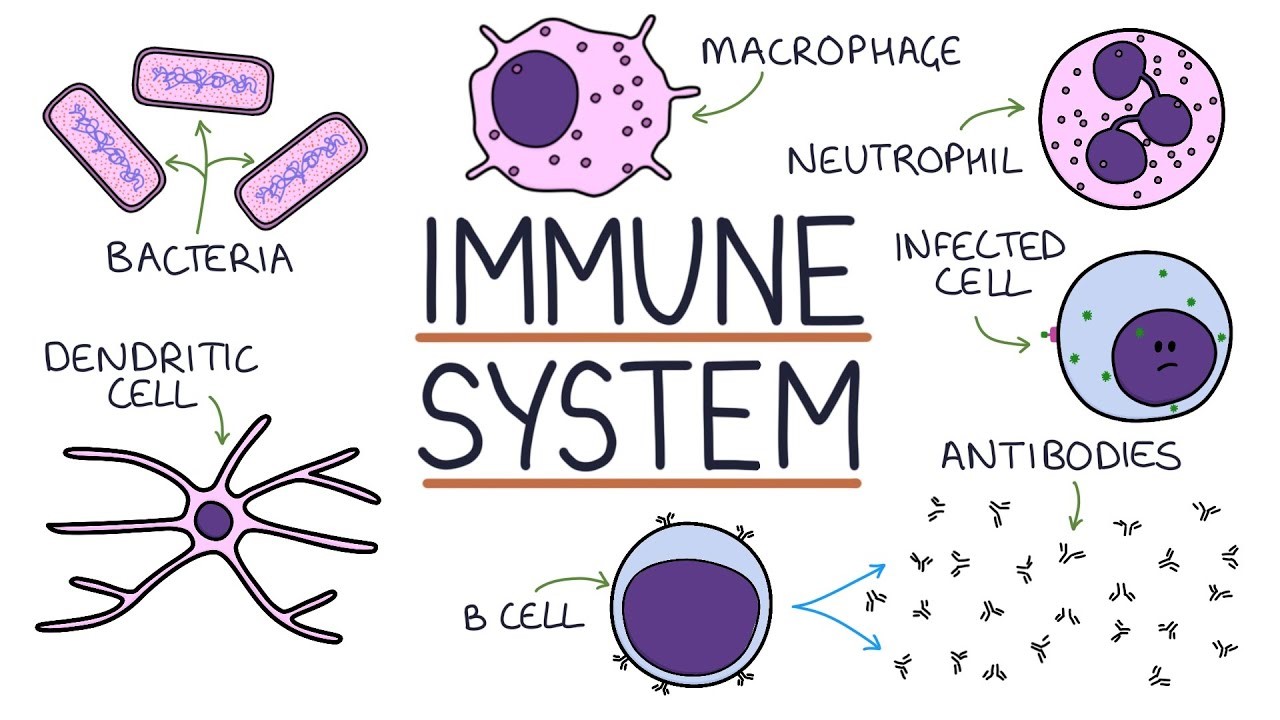
The group is interested in the study of the immune response from a multidisciplinary perspective that includes genomic, biochemical, proteomic, in vivo and biotechnological models aimed at the design of therapeutic strategies against various chronic, infectious and rare diseases that have a clear immunological component in their etiology.
The current specific objectives focus on:
- Antigenic presentation: Identification of antigenic presentation rules for their application in the design of therapeutic treatments including vaccines.
- Study of CD69 function and its regulation; its use as a therapeutic target in the mobilization of hematopoietic precursors and in the potentiation of the immune response mediated by CD69 with the potentiation of vaccines using the vaccinia virus as a vector.
The group is interested in the study of the immune response from a multidisciplinary perspective that includes genomic, biochemical, proteomic, in vivo and biotechnological models aimed at the design of therapeutic strategies against various chronic, infectious and rare diseases that have a clear immunological component in their etiology.
The current specific objectives focus on:
- Antigenic presentation: Identification of antigenic presentation rules for their application in the design of therapeutic treatments including vaccines.
- Study of CD69 function and its regulation; its use as a therapeutic target in the mobilization of hematopoietic precursors and in the potentiation of the immune response mediated by CD69 with the potentiation of vaccines using the vaccinia virus as a vector.