



We protect your health through science
Investigation
Immune Presentation and Regulation
Publications
Potential implication of azole persistence in the treatment failure of two haematological patients infected with Aspergillus fumigatus
Peláez-García de la Rasilla T, Mato-López A, Pablos-Puertas CE, González-Huerta AJ, Gómez-López A, Mellado E, Amich J. Journal of Fungi, 2023 Jul 30;9(8):805.
PUBMED DOIAspergillus fumigatus can exhibit persistence to the fungicidal drug voriconazole
Valero C., Á Mato-López, I J. Donaldson, A. Roldán, H. Chown, N. Van-Rhijn, S. Gago, T. Furukawa, A. Mogorovsky, R. Ben Ami, P. Bowyer, N. Osherov, T. Fontaine, G.H. Goldman, E. Mellado, M. Bromley and J. Amich. Microbiology Spectrum.2023 13;11(2):e0477022
PUBMED DOICOVID-19 Associated Pulmonary Aspergillosis (CAPA): Hospital or Home Environment as a source of life-threatening Aspergillus fumigatus infection?
Peláez-García de la Rasilla T, González-Jiménez I, García-Fernández Arroyo A, Roldán A, Carretero-Ares JL, Clemente-García M,, Martínez-Suarez M, Vázquez Valdés F, Melón-Garcia S, Mellado E, Sánchez-Nuñez ML on behalf HUCAPA group. Journal of Fungi, 2022 Mar 19;8(3):316.
PUBMED DOIThe sulfur-related metabolic status of Aspergillus fumigatus during infection reveals cytosolic serine hydroxymethyltransferase as a promising antifungal target
Alharthi R, Sueiro-Olivares M, Storer I, Bin Shuraym H, Scott J, Al-Shidhani R, Fortune-Grant R, Bignell E, Tabernero L, Bromley M and Amich J. 2025. Virulence, 16(1):2449075
PUBMED DOIGuasp, P., E. Lorente, A. Martín-Esteban, E. Barnea, P. Romania, D. Fruci, J. J. W. Kuiper, A. Admon, and J. A. López de Castro. 2019. Redundancy and Complementarity between ERAP1 and ERAP2 Revealed by their Effects on the Behcet's Disease-Associated HLA-B*51 Peptidome. Mol.Cell Proteomics.
Guasp, P., E. Lorente, A. Martín-Esteban, E. Barnea, P. Romania, D. Fruci, J. J. W. Kuiper, A. Admon, and J. A. López de Castro. 2019. Redundancy and Complementarity between ERAP1 and ERAP2 Revealed by their Effects on the Behcet's Disease-Associated HLA-B*51 Peptidome. Mol.Cell Proteomics.
PUBMED DOIProteomics analysis reveals that structural proteins of the virion core and involved in gene expression are the main source for HLA class II ligands in vaccinia virus-infected cells.
Lorente, E., Martin-Galiano, A. J., Barnea, E., Barriga, A., Palomo, C., Garcia-Arriaza, J., Mir, C., Lauzurica, P., Esteban, M., Admon, A., and Lopez, D. (2019) Proteomics analysis reveals that structural proteins of the virion core and involved in gene expression are the main source for HLA class II ligands in vaccinia virus-infected cells. J.Proteome.Res. 18(9):3512-3520
PUBMED DOIComputational characterization of the peptidome in transporter associated with antigen processing (TAP)-deficient cells.
Martin-Galiano, A. J. and Lopez, D. (2019) Computational characterization of the peptidome in transporter associated with antigen processing (TAP)-deficient cells. PLoS.ONE. 14, e0210583.
PUBMED DOILorente, E., A. Barriga, E. Barnea, C. Palomo, J. Garcia-Arriaza, C. Mir, M. Esteban, A. Admon, and D. López. 2019. Immunoproteomic analysis of a Chikungunya poxvirus-based vaccine reveals high HLA class II immunoprevalence. PLoS.Negl.Trop.Dis. 13:e0007547.
Lorente, E., A. Barriga, E. Barnea, C. Palomo, J. Garcia-Arriaza, C. Mir, M. Esteban, A. Admon, and D. López. 2019. Immunoproteomic analysis of a Chikungunya poxvirus-based vaccine reveals high HLA class II immunoprevalence. PLoS.Negl.Trop.Dis. 13:e0007547.
PUBMED DOILópez, D., A. Barriga, E. Lorente, and C. Mir. 2019. Immunoproteomic Lessons for Human Respiratory Syncytial Virus Vaccine Design. J.Clin.Med. 8.
López, D., A. Barriga, E. Lorente, and C. Mir. 2019. Immunoproteomic Lessons for Human Respiratory Syncytial Virus Vaccine Design. J.Clin.Med. 8.
PUBMED DOIBrait, V. H., F. Miro-Mur, I. Perez-de-Puig, L. Notario, B. Hurtado, J. Pedragosa, M. Gallizioli, F. Jimenez-Altayo, M. Arbaizar-Rovirosa, A. Otxoa-de-Amezaga, J. Monteagudo, M. Ferrer-Ferrer, l. R. de, X, E. Bonfill-Teixidor, A. Salas-Perdomo, A. Hernandez-Vidal, P. Garcia-de-Frutos, P. Lauzurica, and A. M. Planas. 2019. CD69 Plays a Beneficial Role in Ischemic Stroke by Dampening Endothelial Activation. Circ.Res. 124:279-291.
Brait, V. H., F. Miro-Mur, I. Perez-de-Puig, L. Notario, B. Hurtado, J. Pedragosa, M. Gallizioli, F. Jimenez-Altayo, M. Arbaizar-Rovirosa, A. Otxoa-de-Amezaga, J. Monteagudo, M. Ferrer-Ferrer, l. R. de, X, E. Bonfill-Teixidor, A. Salas-Perdomo, A. Hernandez-Vidal, P. Garcia-de-Frutos, P. Lauzurica, and A. M. Planas. 2019. CD69 Plays a Beneficial Role in Ischemic Stroke by Dampening Endothelial Activation. Circ.Res. 124:279-291.
DOILorente, E., J. Redondo-Anton, A. Martín-Esteban, P. Guasp, E. Barnea, P. Lauzurica, A. Admon, and J. A. López de Castro. 2019. Substantial Influence of ERAP2 on the HLA-B*40:02 Peptidome: Implications for HLA-B*27-Negative Ankylosing Spondylitis. Mol.Cell Proteomics. 18:2298-2309.
Lorente, E., J. Redondo-Anton, A. Martín-Esteban, P. Guasp, E. Barnea, P. Lauzurica, A. Admon, and J. A. López de Castro. 2019. Substantial Influence of ERAP2 on the HLA-B*40:02 Peptidome: Implications for HLA-B*27-Negative Ankylosing Spondylitis. Mol.Cell Proteomics. 18:2298-2309.
PUBMED DOILorente, E., C. Palomo, E. Barnea, C. Mir, V. M. Del, A. Admon, and D. López. 2019a. Natural Spleen Cell Ligandome in Transporter Antigen Processing-Deficient Mice. J.Proteome.Res. 18:3512-3520.
Lorente, E., C. Palomo, E. Barnea, C. Mir, V. M. Del, A. Admon, and D. López. 2019a. Natural Spleen Cell Ligandome in Transporter Antigen Processing-Deficient Mice. J.Proteome.Res. 18:3512-3520.
PUBMEDLorente, E., M. G. Fontela, E. Barnea, A. J. Martín-Galiano, C. Mir, B. Galocha, A. Admon, P. Lauzurica, and D. López. 2020. Modulation of Natural HLA-B*27:05 Ligandome by Ankylosing Spondylitis-associated Endoplasmic Reticulum Aminopeptidase 2 (ERAP2). Mol.Cell Proteomics. 19:994-1004.
Lorente, E., M. G. Fontela, E. Barnea, A. J. Martín-Galiano, C. Mir, B. Galocha, A. Admon, P. Lauzurica, and D. López. 2020. Modulation of Natural HLA-B*27:05 Ligandome by Ankylosing Spondylitis-associated Endoplasmic Reticulum Aminopeptidase 2 (ERAP2). Mol.Cell Proteomics. 19:994-1004.
PUBMED DOIRedondo-Anton, J., M. G. Fontela, L. Notario, R. Torres-Ruiz, S. Rodriguez-Perales, E. Lorente, and P. Lauzurica. 2020. Functional Characterization of a Dual Enhancer/Promoter Regulatory Element Leading Human CD69 Expression. Front Genet. 11:552949.
Redondo-Anton, J., M. G. Fontela, L. Notario, R. Torres-Ruiz, S. Rodriguez-Perales, E. Lorente, and P. Lauzurica. 2020. Functional Characterization of a Dual Enhancer/Promoter Regulatory Element Leading Human CD69 Expression. Front Genet. 11:552949.
PUBMED DOIFontela, M. G., L. Notario, E. Alari-Pahissa, E. Lorente, and P. Lauzurica. 2019
Fontela, M. G., L. Notario, E. Alari-Pahissa, E. Lorente, and P. Lauzurica. 2019. The Conserved Non-Coding Sequence 2 (CNS2) Enhances CD69 Transcription through Cooperation between the Transcription Factors Oct1 and RUNX1. Genes (Basel) 10.
PUBMED DOI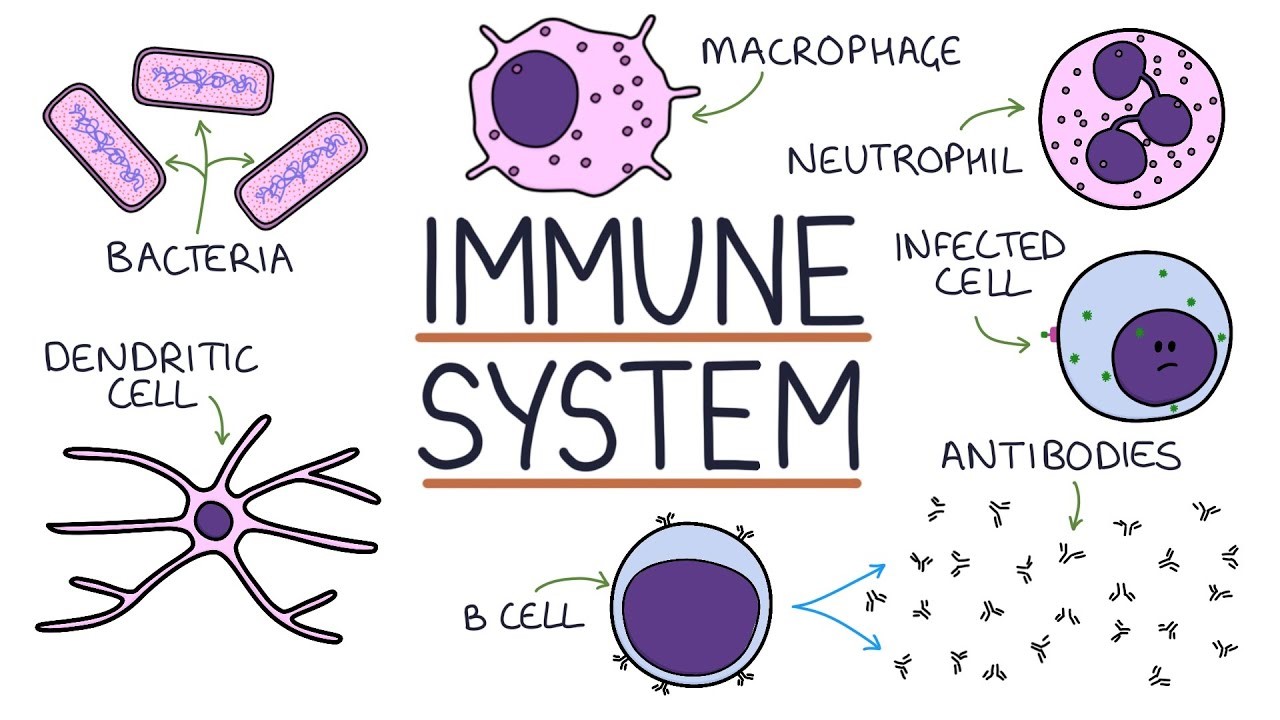
Additional Information
The group is interested in the study of the immune response from a multidisciplinary perspective that includes genomic, biochemical, proteomic, in vivo and biotechnological models aimed at the design of therapeutic strategies against various chronic, infectious and rare diseases that have a clear immunological component in their etiology.
The current specific objectives focus on:
- Antigenic presentation: Identification of antigenic presentation rules for their application in the design of therapeutic treatments including vaccines.
- Study of CD69 function and its regulation; its use as a therapeutic target in the mobilization of hematopoietic precursors and in the potentiation of the immune response mediated by CD69 with the potentiation of vaccines using the vaccinia virus as a vector.
The group is interested in the study of the immune response from a multidisciplinary perspective that includes genomic, biochemical, proteomic, in vivo and biotechnological models aimed at the design of therapeutic strategies against various chronic, infectious and rare diseases that have a clear immunological component in their etiology.
The current specific objectives focus on:
- Antigenic presentation: Identification of antigenic presentation rules for their application in the design of therapeutic treatments including vaccines.
- Study of CD69 function and its regulation; its use as a therapeutic target in the mobilization of hematopoietic precursors and in the potentiation of the immune response mediated by CD69 with the potentiation of vaccines using the vaccinia virus as a vector.