



We protect your health through science
Investigation
Immune Presentation and Regulation
Research Lines
Content with Investigacion .
Research
The Molecular Virology group focuses its research on the study of HIV-1 genetic variation and viral evolution using both in vitro and ex vivo approaches, structured around the following research lines:
- Non-progressor patients. These patients maintain control of the disease in the absence of antiretroviral therapy and have therefore been proposed as a model of functional cure. Our objective is to study the contribution of viral factors to disease control through biological characterization and analysis of viral evolution in individuals with undetectable viral loads (elite controllers, EC), compared with individuals showing other patterns of viral control.
- Viral envelope. This viral protein is key in determining viral fitness. Therefore, its functionality significantly affects infection progression. In collaboration with Dr. Blanco and Dr. Valenzuela, we study which specific events (CD4 binding, fusogenicity, etc.) are associated with envelope functionality. To this end, we have analyzed envelopes from individuals with different patterns of disease progression. Some of these have been contributed to the AIDS Research Network envelope biobank for broader use.
- Dual infection. Infection with more than one viral variant (either through co-infection or superinfection) may have consequences for infection pathogenesis. Within our group, different aspects of DI have been analyzed, including its detection in non-progressor patients, its prevalence and incidence in Spain, and its influence on the neutralizing antibody response.
- Molecular Epidemiology. The group has analyzed viral evolution throughout the epidemic in Spain and in other countries (the Netherlands, Italy, Germany, Uruguay, Panama, Brazil, etc.).
- Role of amino acid residues in reverse transcriptase. We study the role of specific amino acid residues in HIV-1 reverse transcriptase in enzymatic function and replication capacity using an infectious molecular clone previously obtained by the group.
- “In vitro” variability. Serial passage studies have been used to detect the mechanisms responsible for the gain or loss of viral fitness.
- Antiviral studies. We have analyzed the selection of resistance mutations in vitro against different antivirals, as well as the effect of these mutations on viral fitness, and the activity of new antivirals such as ATR inhibitors.
Virological Diagnosis and Reference in HIV and HTLV Infections
The research group provides diagnostic and reference activities through the service portfolio of the National Center for Microbiology to the entire Spanish National Health System.
These services include:
-
Diagnosis and reference of HIV infection (types 1 and 2) through detection of specific antibodies and detection of proviral DNA by PCR.
-
Diagnosis and reference of HTLV-I/II infection through detection of specific antibodies and detection of proviral DNA by PCR. Quantification of HTLV-1 proviral load by real-time PCR.
European Union Reference Laboratory (EURL) in the field of in vitro diagnostic medical devices for microbiological diagnosis (IVD) of HIV and HTLV (Regulation 2023/2713 of December 5th, 2023). Our role is to confirm the reliability and effectiveness of devices for detecting these pathogens and to ensure their specific performance requirements through laboratory testing before they can be marketed within the European Union.
Research projects
Content with Investigacion .
- Towards a functional cure: Implications of early antiretroviral therapy and hormonal changes on the HIV reservoir in perinatally infected adolescents. Health Research Fund (FIS) – Carlos III Health Institute (01/01/2026 – 31/12/2028). €72,000. PI: María Pernas, Concepción Casado.
- Determination of factors associated with protection against Human Immunodeficiency Virus type 1 reinfection: Identification of correlates of protection. 9th Gilead Fellowship Program for Biomedical Research, Gilead Sciences, S.L. (01/07/2023 – 30/06/2025). €16,330. PI: María Pernas.
- Impact of the envelope on HIV viral replication: New avenues for vaccine development. Health Research Fund (FIS) – Carlos III Health Institute (01/01/2020 – 31/12/2023). €53,000. PI: María Pernas, Concepción Casado.
- Study of HIV-1 virulence in recently infected patients and its contribution, together with clinical and epidemiological factors, to disease progression. Ministry of Economy and Competitiveness. State Program for Scientific and Technical Research and Innovation (30/12/2016 – 30/06/2021). €145,000. PI: Concepción Casado, Cecilio López-Galíndez.
-Contribution of HIV-1 dual infection to virological and clinical evolution in homo/bisexual men. Health Research Fund (FIS) – Carlos III Health Institute (01/01/2014 – 31/01/2016). €74,410. PI: Cecilio López-Galíndez.
- Characterization of non-pathogenic HIV variants obtained “ex vivo” and “in vitro” for the study of disease pathogenesis. Ministry of Science and Innovation (01/01/2011 – 31/01/2014). €169,400. PI: Cecilio López-Galíndez.
- Spanish AIDS Research Network (RIS-RETIC). Carlos III Health Institute (02/01/2017 – 02/01/2022). €195,212. PI: Cecilio López-Galíndez, Concepción Casado.

Publications
Pediatric drug-resistant tuberculosis in Madrid family matters
7. Santiago B, Baquero-Artiago F, Mejias A, Blázquez D, Jimenez MS, Mellado-Peña MJ, EREMITA Study group. Pediatric drug-resistant tuberculosis in Madrid: family matters. The Pediatric Infectious Disease Journal. 2014; 33:345-350.
PUBMED DOIMycobacterium kumamotonense, another Member of the Mycobacterium terrae Complex Unusually Carrying Two Copies of the Ribosomal RNA Operon
8. Menéndez MC, Jiménez MS, Yubero J, García MJ. Mycobacterium kumamotonense, another Member of the Mycobacterium terrae Complex Unusually Carrying Two Copies of the Ribosomal RNA Operon. Mycobac Dis; 2014; 4:176.
DOIMycobacterium mageritense meningitis in an immunocompetent patient with an intrathecal catheter.
9. Muñoz-Sanz A, Rodríguez Vidigal FF, Vera-Tome A, Jimenez MS. Mycobacterium mageritense meningitis in an immunocompetent patient with an intrathecal catheter. Enfer Infecc Microbiol Clin. 2013; 31:59-6
PUBMED DOIMeasles virus genotype D4 strains with non-standard length M-F non-coding region circulated during the major outbreaks of 2011-2012 in Spain.
2. Gil H, Fernández-García A*, Mosquera MM, Hübschen JM, Castellanos AM, de Ory F, Masa-Calles J, Echevarría JE.Measles virus genotype D4 strains with non-standard length M-F non-coding region circulated during the major outbreaks of 2011-2012 in Spain. PLoS One. 2018 Jul. 16;13(7):e0199975. * Corresponding author.
PUBMED DOIIsolation, antigenicity and immunogenicity of Lleida Bat Lyssavirus
3. Banyard AC, Selden D, Wu G; Thorne L, Jennings D, Marston D, Finke S, Freuling CM, Mueller T, Echevarria JE, Fooks AR. Isolation, antigenicity and immunogenicity of Lleida Bat Lyssavirus. Journal of General Virology, 2018. 99(12):1590-1599
PUBMED DOIShift within age-groups of mumps incidence, hospitalizations and severe complications in a highly vaccinated population
6. López-Perea N, Masa-Callesa J, Torres de Miera MV, Fernández-García A, Echevarría JE, de Ory F, Martínez de Aragón MV. Shift within age-groups of mumps incidence, hospitalizations and severe complications in a highly vaccinated population. Spain, 1998–2014. Vaccine, 2017, 35(34): 4339-4345.
PUBMED DOIThe Complexity of Antibody Responses Elicited against the Respiratory Syncytial Virus Glycoproteins in Hospitalized Children Younger than 2 Years
2. Trento A, Rodriguez-Fernandez R, Gonzalez-Sanchez MI, Gonzalez-Martinez F, Mas V, Vazquez M, et al. The Complexity of Antibody Responses Elicited against the Respiratory Syncytial Virus Glycoproteins in Hospitalized Children Younger than 2 Years. Front Microbiol. 2017;8:2301.
PUBMED DOIPotent single-domain antibodies that arrest respiratory syncytial virus fusion protein in its prefusion state.
3. Rossey I, Gilman MS, Kabeche SC, Sedeyn K, Wrapp D, Kanekiyo M, et al. Potent single-domain antibodies that arrest respiratory syncytial virus fusion protein in its prefusion state. Nat Commun. 2017;8:14158.
PUBMED DOIRapid profiling of RSV antibody repertoires from the memory B cells of naturally infected adult donors
6. Gilman MS, Castellanos CA, Chen M, Ngwuta JO, Goodwin E, Moin SM, et al. Rapid profiling of RSV antibody repertoires from the memory B cells of naturally infected adult donors. Sci Immunol. 2016;1(6).
PUBMED DOICharacterization of a Prefusion-Specific Antibody That Recognizes a Quaternary, Cleavage-Dependent Epitope on the RSV Fusion Glycoprotein.
8. Gilman MS, Moin SM, Mas V, Chen M, Patel NK, Kramer K, et al. Characterization of a Prefusion-Specific Antibody That Recognizes a Quaternary, Cleavage-Dependent Epitope on the RSV Fusion Glycoprotein. PLoS Pathog. 2015;11(7):e1005035.
PUBMED DOIPolyclonal and monoclonal antibodies specific for the six-helix bundle of the human respiratory syncytial virus fusion glycoprotein as probes of the protein post-fusion conformation.
9. Palomo C, Mas V, Vazquez M, Cano O, Luque D, Terron MC, et al. Polyclonal and monoclonal antibodies specific for the six-helix bundle of the human respiratory syncytial virus fusion glycoprotein as probes of the protein post-fusion conformation. Virology. 2014;460-461:119-27.
PUBMED DOIBiophysical properties of single rotavirus particles account for the functions of protein shells in a multilayered virus
Jiménez-Zaragoza M., Yubero M.L., Martín-Forero E., Castón J.R., Reguera D., Luque D.*, de Pablo P.J., Rodríguez J.M. 2018. Biophysical properties of single rotavirus particles account for the functions of protein shells in a multilayered virus. eLife 7: e37295. *Corresponding author.
PUBMED DOIAcquisition of functions on the outer capsid surface during evolution of double-stranded RNA fungal viruses
Mata C.P., Luque D., Gómez-Blanco J., Rodríguez J.M., González J.M., Suzuki N., Ghabrial S.A., Carrascosa J.L., Trus B.L., Castón J.R. 2017. Acquisition of functions on the outer capsid surface during evolution of double-stranded RNA fungal viruses. PLoS Pathog. 13(12):e1006755.
PUBMED DOIStructural Insights into the Assembly and Regulation of Distinct Viral Capsid Complexes
Sarker S., C. Terrón M., Khandokar Y., Aragão D., Hardy J.M., Radjainia M., Jiménez-Zaragoza M., de Pablo P.J., Coulibaly F., Luque D., Raidal D.R., Forwood J.K. 2016. Structural Insights into the Assembly and Regulation of Distinct Viral Capsid Complexes. Nat. Commun. 7:13014. IF: 12.124; D1.
PUBMED DOIHeterodimers as the structural unit of the T=1 capsid of the fungal dsRNA Rosellinia necatrix quadrivirus 1
Luque D., Mata C.P., González-Camacho F., González J.M., Gómez-Blanco J., Alfonso C., Rivas G., Havens W.M., Kanematsu S., Suzuki N., Ghabrial S.A., Trus B.L., Castón J.R. 2016. Heterodimers as the structural unit of the T=1 capsid of the fungal dsRNA Rosellinia necatrix quadrivirus 1. J Virol. 90(24):11220-11230. IF: 4.666, Q1.
PUBMED DOISelf-assembly and characterization of small and monodisperse dye nanospheres in a protein cage
Luque D., de la Escosura A., Snijder J., Brasch M., Burnley R.J, Koay M.S.T., Carrascosa J.L., Wuite G.J.L., Roos W.H., Heck A.J.R., J.J.L.M Cornelissen, Torres T., Castón J.R. 2014. Self-assembly and characterization of small and monodisperse dye nanospheres in a protein cage. Chem. Sci.,5, 575-581. IF: 9.211, D1.
DOICryo-EM near-atomic structure of a dsRNA fungal virus shows ancient structural motifs preserved in the dsRNA viral lineage.
Luque D., Gómez-Blanco J., Garriga D., Brilot A.F., González J.M., Havens W.M., Carrascosa J.L., Trus B.L., Verdaguer N., Ghabrial S.A., Castón J.R. 2014. Cryo-EM near-atomic structure of a dsRNA fungal virus shows ancient structural motifs preserved in the dsRNA viral lineage. Proc Natl Acad Sci U S A 111(21):7641-7646. IF: 9.674, D1
PUBMED DOINew insights into rotavirus entry machinery: stabilization of rotavirus spike conformation is independent of trypsin cleavage
Rodríguez J.M., Chichón F.J., Martín-Forero E., González-Camacho F., Carrascosa J.L., Castón J.R., Luque D*. 2014. New insights into rotavirus entry machinery: stabilization of rotavirus spike conformation is independent of trypsin cleavage. PLoS Pathog. 10(5):e1004157. IF: 7.562, D1. * Corresponding autor.
PUBMED DOIEfficacy and safety assessment of a TRAF6-targeted nanoimmunotherapy in atherosclerotic mice and non-human primates.
3. Lameijer M, Binderup T, van Leent M, Senders M, Fay F. Seijkens T, Kroon J, Stroes E, Kjaer A, Ochando J, Reiner T, Pérez-Medina C, Calcagno C, Fischer E, Zhang B, Temel R, Swirski F, Nahrendorf M, Fayad Z, Lutgens E, Mulder W and Duivenvoorden R. Efficacy and safety assessment of a TRAF6-targeted nanoimmunotherapy in atherosclerotic mice and non-human primates. Nature Biomedical Engineering. 2018. 2: 279–292.
PUBMED DOINeutrophil derived CSF1 induces macrophage polarization and promotes transplantation tolerance.
4. Braza MS, Conde P, Garcia MR, Cortegano I, Brahmachary M, Pothula V, Fay F, Boros P, Werner SW, Ginhoux F, Mulder WJ, and Ochando J. Neutrophil derived CSF1 induces macrophage polarization and promotes transplantation tolerance. Am J Transplant. 2018.
PUBMED DOIDC-SIGN(+) Macrophages Control the Induction of Transplantation Tolerance
9. Conde P, Rodriguez M, van der Touw W, Jimenez A, Burns M, Miller J, Brahmachary M, Chen HM, Boros P, Rausell-Palamos F, Yun TJ, Riquelme P, Rastrojo A, Aguado B, Stein-Streilein J, Tanaka M, Zhou L, Zhang J, Lowary TL, Ginhoux F, Park CG, Cheong C, Brody J, Turley SJ, Lira SA, Bronte V, Gordon S, Heeger PS, Merad M, Hutchinson J, Chen SH, Ochando J. 2015. DC-SIGN(+) Macrophages Control the Induction of Transplantation Tolerance. Immunity. 16;42(6):1143-58.
PUBMED DOIProteomic characterisation of bovine and avian purified protein derivatives and identification of specific antigens for serodiagnosis of bovine tuberculosis
2.- Proteomic characterisation of bovine and avian purified protein derivatives and identification of specific antigens for serodiagnosis of bovine tuberculosis. Antonio Infantes-Lorenzo, Jose; Moreno, Inmaculada; Angeles Risalde, Maria; et ál. CLINICAL PROTEOMICS Volumen: 14 Número de artículo: 36 Fecha de publicación: NOV 2 2017
PUBMED DOIFunctional and structural characterization of four mouse monoclonal antibodies to complement C3 with potential therapeutic and diagnostic applications.
3.- Functional and structural characterization of four mouse monoclonal antibodies to complement C3 with potential therapeutic and diagnostic applications. Subias Hidalgo, Marta; Yebenes, Hugo; Rodriguez-Gallego, Cesar; et ál..EUROPEAN JOURNAL OF IMMUNOLOGY Volumen: 47 Número: 3 Páginas: 504-515 Fecha de publicación: MAR 2017
PUBMED DOIImmunoproteomic characterisation of Mycoplasma mycoides subspecies capri by mass spectrometry analysis of two- dimensional electrophoresis spots and western blot
5.- Immunoproteomic characterisation of Mycoplasma mycoides subspecies capri by mass spectrometry analysis of two- dimensional electrophoresis spots and western blot. Churchward, Colin P.; Rosales, Ruben S.; Gielbert, Adriana; et ál..JOURNAL OF PHARMACY AND PHARMACOLOGY Volumen: 67 Número: 3 Número especial: SI Páginas: 364-371 Fecha de publicación: MAR 2015
PUBMED DOIEfficacy of low doses of amphotericin B plus allicin against experimental visceral leishmaniasis.
6.- Efficacy of low doses of amphotericin B plus allicin against experimental visceral leishmaniasis. Corral, M. Jesus; Serrano, Dolores R.; Moreno, Inmaculada; et ál..JOURNAL OF ANTIMICROBIAL CHEMOTHERAPY Volumen: 69 Número: 12 Páginas: 3268-3274 Fecha de publicación: DEC 2014
PUBMED DOIA Novel Antibody against Human Factor B that Blocks Formation of the C3bB Proconvertase and Inhibits Complement Activation in Disease Models
7.- A Novel Antibody against Human Factor B that Blocks Formation of the C3bB Proconvertase and Inhibits Complement Activation in Disease Models. Subias, Marta; Tortajada, Agustin; Gastoldi, Sara; et ál..JOURNAL OF IMMUNOLOGY Volumen: 193 Número: 11 Páginas: 5567-5575 Fecha de publicación: DEC 2014
PUBMED DOIDetection of anti-Leishmania infantum antibodies in sylvatic lagomorphs from an epidemic area of Madrid using the indirect immunofluorescence antibody test
8.- Detection of anti-Leishmania infantum antibodies in sylvatic lagomorphs from an epidemic area of Madrid using the indirect immunofluorescence antibody test. Moreno, Inmaculada; Alvarez, Julio; Garcia, Nerea; et ál..VETERINARY PARASITOLOGY Volumen: 199 Número: 3-4 Páginas: 264-267 Fecha de publicación: 2014
PUBMED DOIEvidence of Leishmania infantum Infection in Rabbits (Oryctolagus cuniculus) in a Natural Area in Madrid, Spain.
9.- Evidence of Leishmania infantum Infection in Rabbits (Oryctolagus cuniculus) in a Natural Area in Madrid, Spain. Garcia, Nerea; Moreno, Inmaculada; Alvarez, Julio; et ál..BIOMED RESEARCH INTERNATIONAL Número de artículo: 318254 Fecha de publicación: 2014
PUBMED DOIMucus-Activatable Shiga Toxin Genotype stx2d in Escherichia coli O157:H7
2. Sánchez, S., Llorente, M.T., Herrera-León, L., Ramiro, R., Nebreda, S., Remacha, M.A., Herrera-León, S. Mucus-activatable shiga toxin genotype stx2d in Escherichia coli O157:H7. (2017) Emerging Infectious Diseases, 23 (8), pp. 1431-1433.
PUBMED DOIMultinational outbreak of travel-related Salmonella Chester infections in europe, summers 2014 and 2015
3. Fonteneau, L., Da Silva, N.J., Fabre, L., Ashton, P., Torpdahl, M., Müller, L., Bouchrif, B., El Boulani, A., Valkanou, E., Mattheus, W., Friesema, I., Herrera Leon, S., Varela Martínez, C., Mossong, J., Severi, E., Grant, K., Weill, F., Gossner, C.M., Bertrand, S., Dallman, T., Le Hello, S. Multinational outbreak of travel-related Salmonella Chester infections in europe, summers 2014 and 2015. (2017) Eurosurveillance, 22 (7).
PUBMED DOIProspective use of whole genome sequencing (WGS) detected a multi-country outbreak of Salmonella Enteritidis
4. Inns, T., Ashton, P.M., Herrera-Leon, S., Lighthill, J., Foulkes, S., Jombart, T., Rehman, Y., Fox, A., Dallman, T., De Pinna, E., Browning, L., Coia, J.E., Edeghere, O., Vivancos, R. Prospective use of whole genome sequencing (WGS) detected a multi-country outbreak of Salmonella Enteritidis (2017) Epidemiology and Infection, 145 (2), pp. 289-298.
PUBMED DOIPlasmid-mediated quinolone resistance in different diarrheagenic Escherichia coli pathotypes responsible for complicated, noncomplicated, and traveler's diarrhea cases.
5. Herrera-Leon, S., Llorente, M.T., Sanchez, S. Plasmid-mediated quinolone resistance in different diarrheagenic Escherichia coli pathotypes responsible for complicated, noncomplicated, and traveler's diarrhea cases. (2016) Antimicrobial Agents and Chemotherapy, 60 (3), pp. 1950-1951.
PUBMED DOIMolecular Epidemiology and Antibiotic Susceptibility of Vibrio cholerae Associated with a Large Cholera Outbreak in Ghana in 2014.
6. Eibach, D., Herrera-León, S., Gil, H., Hogan, B., Ehlkes, L., Adjabeng, M., Kreuels, B., Nagel, M., Opare, D., Fobil, J.N., May, J. Molecular Epidemiology and Antibiotic Susceptibility of Vibrio cholerae Associated with a Large Cholera Outbreak in Ghana in 2014. (2016) PLoS Neglected Tropical Diseases, 10 (5).
PUBMED DOIContent with Investigacion .
-

Isabel Jado García
Científico Titular OPIS, Director laboratorio
-
Raquel Escudero Nieto
Científico Titular OPIS, Director laboratorio
-
Escolástica Chaparro Tercero
Técnico de Laboratorio
-
Ave María Vila-Coro Laviña
Auxiliar de Investigación
-
María Elena Andrés Galván
Ayudante de Investigación.
Técnico superior en laboratorio de diagnóstico clínico en 2013 y Técnico superior en laboratorio de análisis y control de calidad en 2015. Lleva vinculada a la Unidad de Neumococos desde 2022 como ayudante de investigación y es personal de plantilla. Anteriormente estuvo contratada en el Instituto de recursos naturales y agrobiología de Salamanca (IRNASA) del CSIC.

List of staff
Additional Information
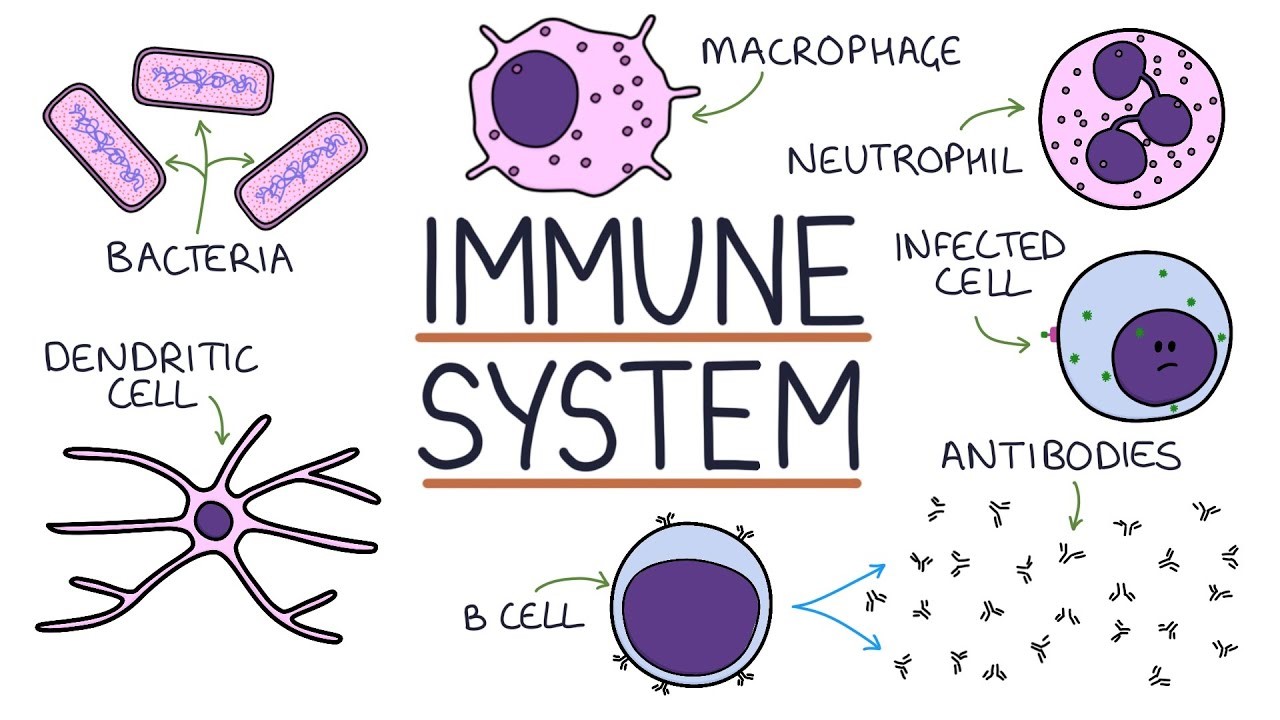
The group is interested in the study of the immune response from a multidisciplinary perspective that includes genomic, biochemical, proteomic, in vivo and biotechnological models aimed at the design of therapeutic strategies against various chronic, infectious and rare diseases that have a clear immunological component in their etiology.
The current specific objectives focus on:
- Antigenic presentation: Identification of antigenic presentation rules for their application in the design of therapeutic treatments including vaccines.
- Study of CD69 function and its regulation; its use as a therapeutic target in the mobilization of hematopoietic precursors and in the potentiation of the immune response mediated by CD69 with the potentiation of vaccines using the vaccinia virus as a vector.
The group is interested in the study of the immune response from a multidisciplinary perspective that includes genomic, biochemical, proteomic, in vivo and biotechnological models aimed at the design of therapeutic strategies against various chronic, infectious and rare diseases that have a clear immunological component in their etiology.
The current specific objectives focus on:
- Antigenic presentation: Identification of antigenic presentation rules for their application in the design of therapeutic treatments including vaccines.
- Study of CD69 function and its regulation; its use as a therapeutic target in the mobilization of hematopoietic precursors and in the potentiation of the immune response mediated by CD69 with the potentiation of vaccines using the vaccinia virus as a vector.