



We protect your health through science
Investigation
Immune Presentation and Regulation
Research Lines
Content with Investigacion .
Mechanisms of pathogenic fungal host adaptation: Morphogenesis in Cryptococcus neoformans
One of the main mechanisms by which fungi are able to cause disease in humans is their ability to evade the immune response and adapt to the environmental conditions found in the host. In this regard, one of the yeasts that has the greatest ability to adapt to the host is Cryptococcus neoformans. This fungus is found in the environment, and is acquired by inhalation, although the most typical picture is meningitis in immunocompromised patients, mainly HIV+. The main phenotypic characteristic is the presence of a polysaccharide capsule surrounding the cell, which is considered a virulence factor. In addition, C. neoformans is able to increase cell size significantly forming “titan” cells, which can reach a diameter of more than 70 microns. In the laboratory, we are interested in the role of these titan cells in the virulence of C. neoformans. Recently, we have described in vitro media in which C. neoformans forms pseudo-titan cells, which has allowed us to identify new factors and pathways involved in this process.
Mechanisms of action of antifungals
In parallel, we have a line whose main objective is to characterize the mechanisms of action of antifungals. Specifically, we have focused our work on the effect of Amphotericin B (AmB). For decades it has been thought that this antifungal causes cell death after binding to ergosterol and pore formation. Our results indicate that this antifungal also induces strong oxidative stress in the cell, which occurs before cell integrity is lost. Furthermore, we have shown that oxidative stress is necessary for the fungicidal action of AmB. These results open the door to design new strategies to improve its efficiency in patients.
New therapeutic strategies
Work with AmB has led to research aimed at improving antifungal therapies. In particular, we have used the strategy of “off-patent” drug repositioning to search for new activities. Using this approach, we have identified several drugs that increase the effectiveness of AmB against major pathogenic yeasts, such as the antibiotic erythromycin. This approach has allowed us to identify drugs with antifungal activity against emerging pathogens, such as Candida auris.
Research projects
Content with Investigacion .
Projects with public funding
TITLE: Virulence factors of pathogenic yeasts and their influence on the host.
FUNDING ENTITY: Ministry of Education and Science.
POSITION HELD: Principal Investigator, Contracted “Ramón y Cajal”.
START/FINISH: 2006-2007
AMOUNT: 15,000 EUROS
TITLE: Characterization of fungal giant cells and their role during infection in mammals.
FINANCING ENTITY: Instituto de Salud Carlos III
POSITION HELD: Principal Investigator, Contracted “Ramón y Cajal”.
START/FINISH: 2006-2007
AMOUNT: 55,000 EUROS
TITLE: Search and identification of genes involved in the resistance to antifungal agents in
Cryptococcus neoformans
FUNDING ENTITY: Ministry of Science and Innovation.
POSITION HELD: Principal Investigator, Contracted “Ramón y Cajal”.
START/FINISH: 2008-2010
AMOUNT: 25,000 EUROS
COLLABORATORS: Juan Luis Rodríguez Tudela (National Center of Microbiology, ISCIII. Madrid); Manuel Cuenca Estrella (National Center of Microbiology, ISCIII. Madrid); Maria Jose Gianinni (Faculdade de Ciências Farmacêuticas-UNESP). Brazil
TITLE: Role of morphological changes of the pathogenic yeast Cryptococcus neoformans during host infection.
FUNDING ENTITY: Ministry of Science and Innovation. National Plan Program “Non-oriented Fundamental Research”, area of Biomedicine, SAF2008-03761.
POSITION HELD: Principal Investigator, Contracted “Ramón y Cajal”.
START/END: 2009-2011
AMOUNT: 46,000 EUROS
PROJECT TITLE: Identification of the molecular mechanisms involved in the morphogenesis of Cryptococcus neoformans and study of their function during infection.
FUNDING ENTITY: Ministry of Science and Innovation, National Plan for Non-Oriented Fundamental Research, Biomedicine Area, Referencia: SAF2011-25140
DURATION FROM: January 2012 UNTIL: December 2014
PRINCIPAL INVESTIGATOR: Oscar Zaragoza Hernández
This project has an FPI grantee granted.
SUBSIDY: 90.000 euros
TITLE: Importance of morphogenesis in the virulence of pathogenic yeast Cryptococcus neoformans and improvement of amphotericin B-based cryptococcosis therapy. Reference: SAF2014-25140
FUNDING ENTITY: MINECO (Call for R+D+I Projects “RETOS INVESTIGACION)
POSITION HELD: Principal Investigator
START/FINISH: 2015-2017
Funding: 100.000 €.
TITLE: Study of the molecular basis and factors inducing morphological changes in Cryptococcus neoformans and characterization of new therapeutic strategies. Reference: SAF2017-86912-R
FUNDING ENTITY: MINECO (Call for R+D+I Projects “RETOS INVESTIGACION)
POSITION HELD: Principal Investigator
START/END: 2018-2020
Funding: 106.000 €.
TITLE: Mechanisms of adaptation of the pathogenic yeast Cryptococcus neoformans to the lung. Reference: PID2020-114546RB
FUNDING ENTITY: Ministry of Science and Innovation, State Research Agency (Call “Proyectos I+D+I” 2020 - Modalities “Research Challenges” and “Knowledge Generation”).
POSITION HELD: Principal Researcher
START/END: 01/09/2021-31/05/2025
Funding: 143,990 €.

TITLE: Precision medicine against antimicrobial resistance. MePRAM Project.
FUNDING ENTITY: Research Projects on Precision Personalized Medicine of the Strategic Action in Health 2021-2023, under the PERTE for Vanguard Health and charged to the European funds of the Recovery, Transformation and Resilience Plan.
POSITION: Collaborator (Principal Investigator: Jesús Oteo Iglesias)
START/FINISH: 2023-2025
Funding: 4.339.500 €.
TITLE: Centre for Biomedical Research in Network. Infectious Diseases Area (CIBERINFEC)
Funding Agency: Insituto de Salud Carlos III. Reference: CB21/13/00105
Dates: 2022-2026 Funding: 85.000 € (first year)
PI: Emilia Mellado Terrado / CoPI: Óscar Zaragoza Hernández

TITLE: Study of the genetic, metabolic and cellular determinants that influence titan cell formation in the fungal pathogen Cryptococcus neoformans and correlation with antifungal exposure.
CALL FOR PROJECTS: Knowledge Generation Projects.
FUNDING ENTITY. State Research Agency. Ministry of Science, Innovation and Universities.
REFERENCE: Project PID2023-148686OB-I00 Project funded by MICIU/AEI/10.13039/501100011033 and by FEDER, EU.
PRINCIPAL INVESTIGATOR: Oscar Zaragoza Hernández
START/END: 2024-2027
FUNDING: 180.000 €.

TITLE: Characterization of azole-resistant Candida parapsilosis isolates associated with hospital outbreaks: New strategies for their detection and treatment.
CALL: Strategic Action in Intramural Health.
FUNDING ENTITY. Carlos III Health Institute.
REFERENCE: AESI-2024 PI24CIII/00051
PRINCIPAL RESEARCHER: Oscar Zaragoza Hernández / Laura Alcázar Fuoli
START/FINISH: /01/012025-31/12/2027
FUNDING: 70.000 €.
Projects financed by biotechnology companies
PROJECT TITLE: Amphores. Evaluation of the induction of oxidative damage by Amphoterin B in susceptible and resistant yeast species.
FUNDING ENTITY: Gilead
DURATION FROM: 2011 TO: 2012
PRINCIPAL INVESTIGATOR: Oscar Zaragoza Hernández
GRANT: 55,000 euros
TITLE: Fungomics. Evaluation of the activity of amphotericin B and other antifungals against human pathogenic fungi.
FINANCING ENTITY: Gilead
POSITION HELD: Principal Investigator
START/END: 2019-2020
TITLE: Antifungal susceptibility testing of a set of Candida spp to CD101 and anidulafungin in five microdilution plates.
FUNDING ENTITY: Cidara
POSITION HELD: Principal Investigator
START/END: 2018
TITLE: Cidara MultiCentre EUCAST study
FUNDING ENTITY: Cidara
POSITION HELD: Principal Investigator
START/END: 2016
TITLE: Characterization of triazole-resistant Candida parapsilosis isolates from Spanish hospitals
FUNDING ENTITY: Gilead Science
POSITION HELD: Principal Investigator
START/END: 2022-2023
TITLE: EUCAST multicentre MIC testing of manogepix meeting EUCAST ECOFF setting criteria
FUNDING ENTITY: Pfizer
POSITION HELD: Principal Investigator
START/END: 2023
Publications
Immunoescape of HIV-1 in Env-EL9 CD8 + T cell response restricted by HLA-B*14:02 in a Non progressor who lost twenty-seven years of HIV-1 control
Moyano A, Blanch-Lombarte O, Tarancon-Diez L, Pedreño-Lopez N, Arenas M, Alvaro T, Casado C, Olivares I, Vera M, Rodriguez C, Del Romero J, López-Galíndez C, Ruiz-Mateos E, Prado JG, Pernas M. Retrovirology. 2022 Mar 26,19(1):6
PUBMED DOIThe Characteristics of the HIV-1 Env Glycoprotein Are Linked with Viral Pathogenesis
Pérez-Yanes S, Pernas M, Marfil S, Cabrera-Rodríguez R, Ortiz R, Urrea V, Rovirosa C, Estévez-Herrera J, Olivares I, Casado C, Lopez-Galindez C, Blanco J, Valenzuela-Fernández A. Front Microbiol. 2022 Mar 24, 3:763039.
PUBMED DOIAnalysis of HIV-1 “in vitro” evolution through 3D real fitness landscapes constructed by Self Organizing Maps.
Ramón Lorenzo‐Redondo, Soledad Delgado, Federico Morán, and Cecilio Lopez‐Galindez. Analysis of HIV-1 “in vitro” evolution through 3D real fitness landscapes constructed by Self Organizing Maps. (2014) PLoS One. 9(2): e88579.
PUBMED DOICharacterizing carbapenemase-producing Escherichia coli isolates from Spain: high genetic heterogeneity and wide geographical spread.
1. Characterizing carbapenemase-producing Escherichia coli isolates from Spain: high genetic heterogeneity and wide geographical spread. Dahdouh E, Gómez-Marcos L, Cañada-García JE, de Arellano ER, Sánchez-García A, Sánchez-Romero I, López-Urrutia L, de la Iglesia P, Gonzalez-Praetorius A, Sotelo J, Valle-Millares D, Alonso-González I, Bautista V, Lara N, García-Cobos S, Cercenado E, Aracil B, Oteo-Iglesias J, Pérez-Vázquez M; Spanish Eco-Carba Study Group. Revista: Front Cell Infect Microbiol 2024 May 16;14:1390966.
PUBMED DOIAn increase in erythromycin resistance in methicillin-susceptible Staphylococcus aureus from blood correlates with the use of macrolide/lincosamide/streptogramin antibiotics. EARS-Net Spain (2004-2020).
4. An increase in erythromycin resistance in methicillin-susceptible Staphylococcus aureus from blood correlates with the use of macrolide/lincosamide/streptogramin antibiotics. EARS-Net Spain (2004-2020). Autores: El Mammery A, Ramírez de Arellano E, Cañada-García JE, Cercenado E, Villar-Gómara L, Casquero-García V, García-Cobos S, Lepe JA, Ruiz de Gopegui Bordes E, Calvo-Montes J, Larrosa Escartín N, Cantón R, Pérez-Vázquez M, Aracil B, Oteo-Iglesias J. Revista: Front Microbiol. 2023 Sep 26;14:1220286.
PUBMED DOIWidespread Detection of Yersiniabactin Gene Cluster and Its Encoding Integrative Conjugative Elements (ICEKp) among Nonoutbreak OXA-48-Producing Klebsiella pneumoniae Clinical Isolates from Spain and the Netherlands.
11. Widespread Detection of Yersiniabactin Gene Cluster and Its Encoding Integrative Conjugative Elements (ICEKp) among Nonoutbreak OXA-48-Producing Klebsiella pneumoniae Clinical Isolates from Spain and the Netherlands. Autores: Jati AP, Sola-Campoy PJ, Bosch T, Schouls LM, Hendrickx APA, Bautista V, Lara N, Raangs E, Aracil B, Rossen JWA, Friedrich AW, Navarro Riaza AM, Cañada-García JE, Ramírez de Arellano E, Oteo-Iglesias J, Pérez-Vázquez M, García-Cobos S; Dutch and Spanish Collaborative Working Groups on Surveillance on Carbapenemase-Producing Enterobacterales; Sánchez AMF, Pulido MA, Armas M. Revista: Microbiol Spectr. 2023 Aug 17;11(4):e0471622.
PUBMED DOIClinical, microbiological, and molecular characterization of pediatric invasive infections by Streptococcus pyogenes in Spain in a context of global outbreak.
2. Clinical, microbiological, and molecular characterization of pediatric invasive infections by Streptococcus pyogenes in Spain in a context of global outbreak. Autores: Ramírez de Arellano E, Saavedra-Lozano J, Villalón P, Jové-Blanco A, Grandioso D, Sotelo J, Gamell A, González-López JJ, Cervantes E, Gónzalez MJ, Rello-Saltor V, Esteva C, Sanz-Santaeufemia F, Yagüe G, Manzanares Á, Brañas P, Ruiz de Gopegui E, Carrasco-Colom J, García F, Cercenado E, Mellado I, Del Castillo E, Pérez-Vazquez M, Oteo-Iglesias J, Calvo C; Spanish PedGAS-Net/CIBERINFEC GAS Study Group. Revista: mSphere. 2024 Mar 26;9(3):e0072923.
PUBMED DOI
Additional Information
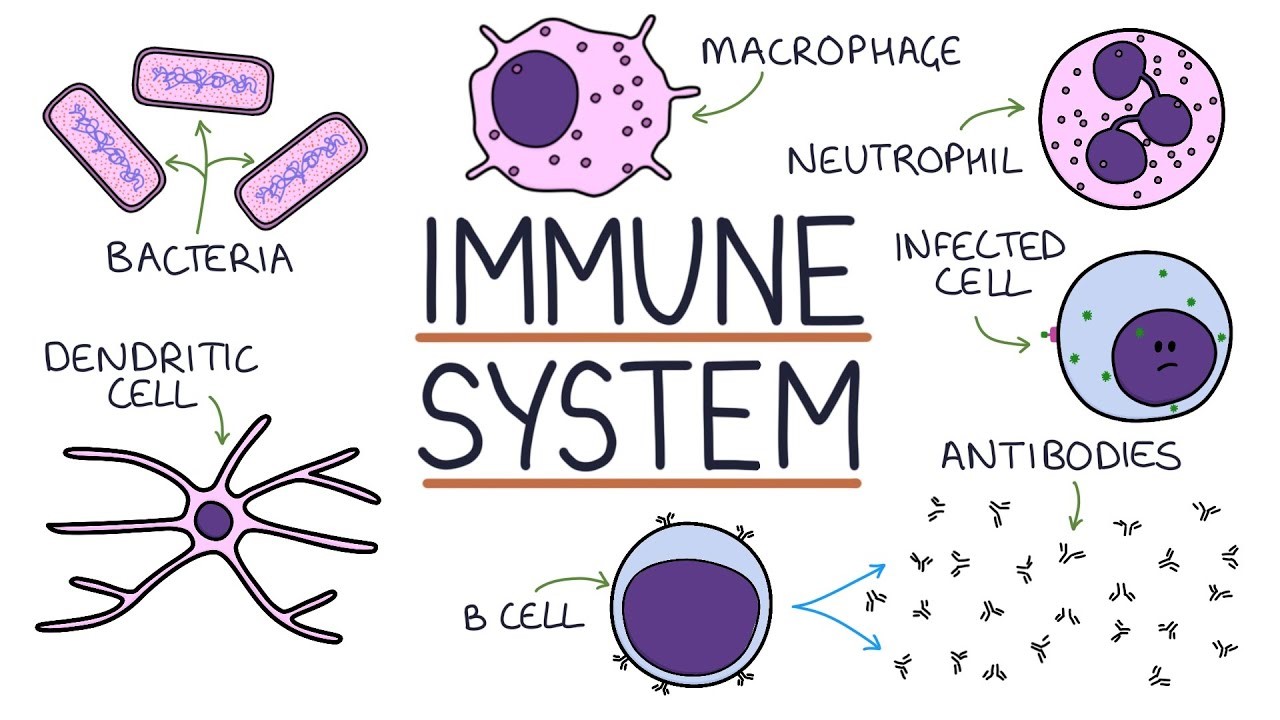
The group is interested in the study of the immune response from a multidisciplinary perspective that includes genomic, biochemical, proteomic, in vivo and biotechnological models aimed at the design of therapeutic strategies against various chronic, infectious and rare diseases that have a clear immunological component in their etiology.
The current specific objectives focus on:
- Antigenic presentation: Identification of antigenic presentation rules for their application in the design of therapeutic treatments including vaccines.
- Study of CD69 function and its regulation; its use as a therapeutic target in the mobilization of hematopoietic precursors and in the potentiation of the immune response mediated by CD69 with the potentiation of vaccines using the vaccinia virus as a vector.
The group is interested in the study of the immune response from a multidisciplinary perspective that includes genomic, biochemical, proteomic, in vivo and biotechnological models aimed at the design of therapeutic strategies against various chronic, infectious and rare diseases that have a clear immunological component in their etiology.
The current specific objectives focus on:
- Antigenic presentation: Identification of antigenic presentation rules for their application in the design of therapeutic treatments including vaccines.
- Study of CD69 function and its regulation; its use as a therapeutic target in the mobilization of hematopoietic precursors and in the potentiation of the immune response mediated by CD69 with the potentiation of vaccines using the vaccinia virus as a vector.