



We protect your health through science
Investigation
Immune Presentation and Regulation
Publications
Lorente, E., E. Barnea, C. Mir, A. Admon, and D. López. 2020. The HLA-DP peptide repertoire from human respiratory syncytial virus is focused on major structural proteins with the exception of the viral polymerase. J Proteomics. 221:103759.
Lorente, E., E. Barnea, C. Mir, A. Admon, and D. López. 2020. The HLA-DP peptide repertoire from human respiratory syncytial virus is focused on major structural proteins with the exception of the viral polymerase. J Proteomics. 221:103759.
PUBMED DOIMarquez, A., M. Gomez-Fontela, S. Lauzurica, R. Candorcio-Simon, D. Munoz-Martín, M. Morales, M. Ubago, C. Toledo, P. Lauzurica, and C. Molpeceres. 2020. Fluorescence enhanced BA-LIFT for single cell detection and isolation. Biofabrication. 12:025019.
Marquez, A., M. Gomez-Fontela, S. Lauzurica, R. Candorcio-Simon, D. Munoz-Martín, M. Morales, M. Ubago, C. Toledo, P. Lauzurica, and C. Molpeceres. 2020. Fluorescence enhanced BA-LIFT for single cell detection and isolation. Biofabrication. 12:025019.
PUBMED DOILorente, E., M. Marcilla, P. G. de la Sota, A. Quijada-Freire, C. Mir, and D. López. 2021. Acid Stripping after Infection Improves the Detection of Viral HLA Class I Natural Ligands Identified by Mass Spectrometry. Int.J.Mol.Sci. 22.
Lorente, E., M. Marcilla, P. G. de la Sota, A. Quijada-Freire, C. Mir, and D. López. 2021. Acid Stripping after Infection Improves the Detection of Viral HLA Class I Natural Ligands Identified by Mass Spectrometry. Int.J.Mol.Sci. 22.
PUBMED DOIde la Sota, P. G., E. Lorente, L. Notario, C. Mir, O. Zaragoza, and D. López. 2021. Mitoxantrone Shows In Vitro, but Not In Vivo Antiviral Activity against Human Respiratory Syncytial Virus. Biomedicines. 9.
de la Sota, P. G., E. Lorente, L. Notario, C. Mir, O. Zaragoza, and D. López. 2021. Mitoxantrone Shows In Vitro, but Not In Vivo Antiviral Activity against Human Respiratory Syncytial Virus. Biomedicines. 9.
PUBMED DOIPredicted Epitope Abundance Supports Vaccine-Induced Cytotoxic Protection Against SARS-CoV-2 Variants of Concern.
Martín-Galiano, A. J., F. Diez-Fuertes, M. J. McConnell, and D. López. 2021. Predicted Epitope Abundance Supports Vaccine-Induced Cytotoxic Protection Against SARS-CoV-2 Variants of Concern. Front Immunol. 12:732693.
PUBMED DOIPrediction of Conserved HLA Class I and Class II Epitopes from SARS-CoV-2 Licensed Vaccines Supports T-Cell Cross-Protection against SARS-CoV-1.
López, D. 2022. Prediction of Conserved HLA Class I and Class II Epitopes from SARS-CoV-2 Licensed Vaccines Supports T-Cell Cross-Protection against SARS-CoV-1. Biomedicines. 10.
PUBMED DOIAbundance, Betweenness Centrality, Hydrophobicity, and Isoelectric Points Are Relevant Factors in the Processing of Parental Proteins of the HLA Class II Ligandome.
Lorente, E., A. J. Martín-Galiano, D. M. Kadosh, A. Barriga, J. Garcia-Arriaza, C. Mir, M. Esteban, A. Admon, and D. López. 2022. Abundance, Betweenness Centrality, Hydrophobicity, and Isoelectric Points Are Relevant Factors in the Processing of Parental Proteins of the HLA Class II Ligandome. J.Proteome.Res. 21:164-171.
DOICross-Recognition of SARS-CoV-2 B-Cell Epitopes with Other Betacoronavirus Nucleoproteins
Tajuelo, A., M. López-Siles, V. Mas, P. Perez-Romero, J. M. Aguado, V. Briz, M. J. McConnell, A. J. Martín-Galiano, and D. López. 2022. Cross-Recognition of SARS-CoV-2 B-Cell Epitopes with Other Betacoronavirus Nucleoproteins. Int.J.Mol.Sci. 23.
PUBMED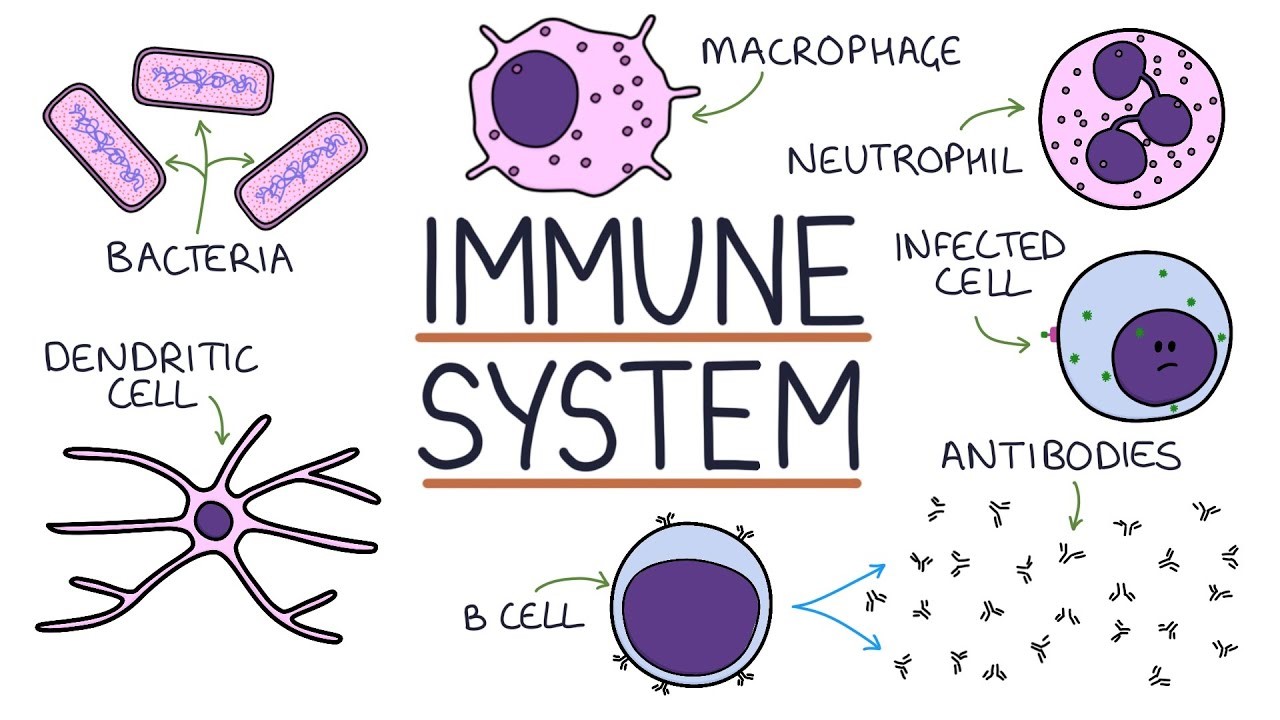
Additional Information
The group is interested in the study of the immune response from a multidisciplinary perspective that includes genomic, biochemical, proteomic, in vivo and biotechnological models aimed at the design of therapeutic strategies against various chronic, infectious and rare diseases that have a clear immunological component in their etiology.
The current specific objectives focus on:
- Antigenic presentation: Identification of antigenic presentation rules for their application in the design of therapeutic treatments including vaccines.
- Study of CD69 function and its regulation; its use as a therapeutic target in the mobilization of hematopoietic precursors and in the potentiation of the immune response mediated by CD69 with the potentiation of vaccines using the vaccinia virus as a vector.
The group is interested in the study of the immune response from a multidisciplinary perspective that includes genomic, biochemical, proteomic, in vivo and biotechnological models aimed at the design of therapeutic strategies against various chronic, infectious and rare diseases that have a clear immunological component in their etiology.
The current specific objectives focus on:
- Antigenic presentation: Identification of antigenic presentation rules for their application in the design of therapeutic treatments including vaccines.
- Study of CD69 function and its regulation; its use as a therapeutic target in the mobilization of hematopoietic precursors and in the potentiation of the immune response mediated by CD69 with the potentiation of vaccines using the vaccinia virus as a vector.